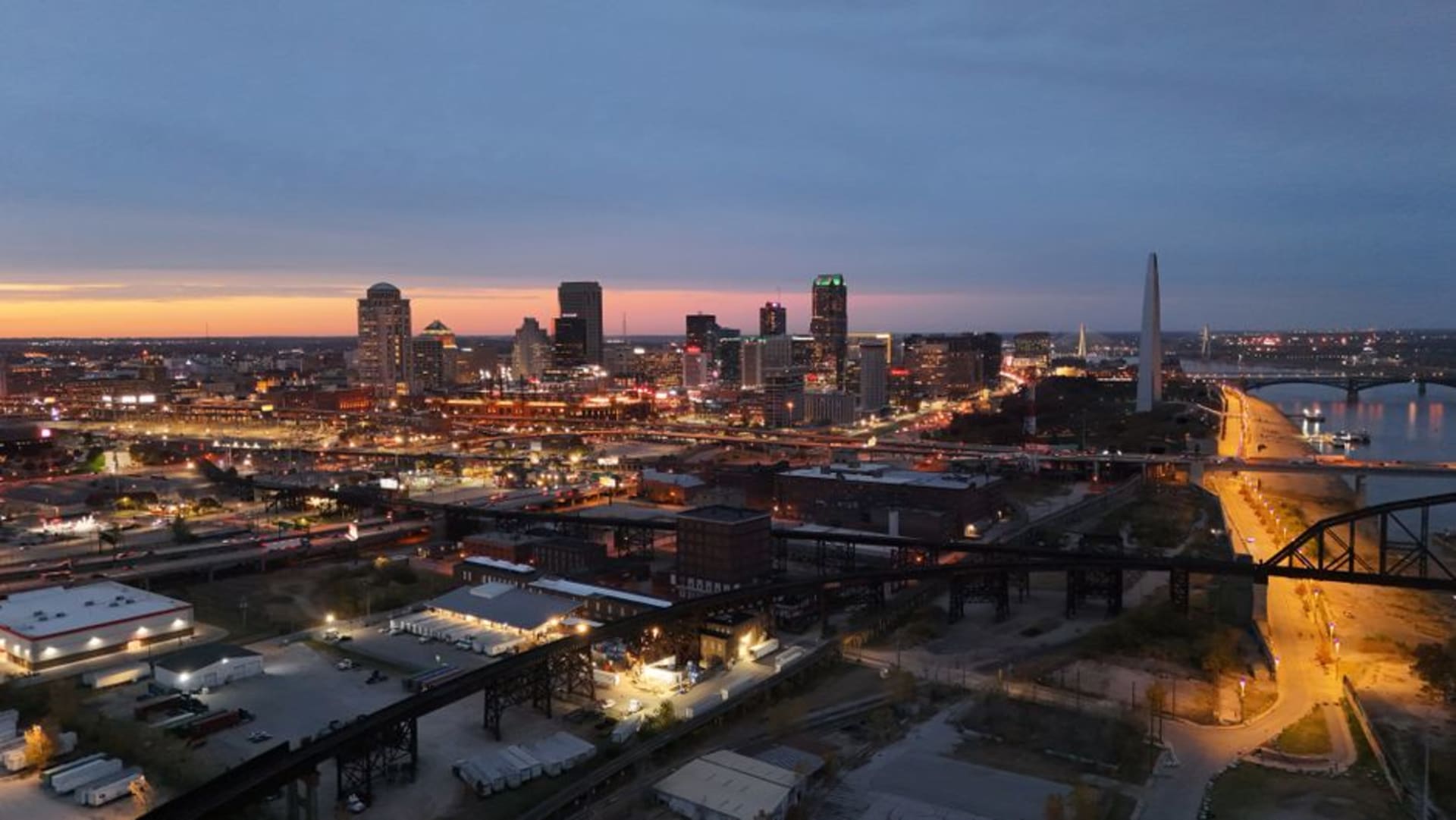
St Louis
"From the top of the Arch, the Mississippi looked less like a river and more like the seam holding a whole continent together."
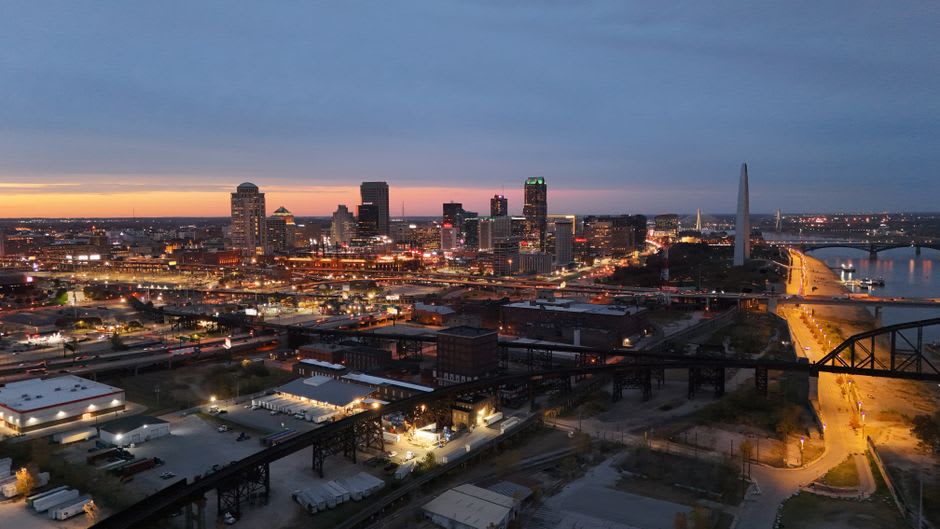
A Missouri river city crowned by the soaring stainless-steel Gateway Arch, with grand old brick neighbourhoods, free museums, and a slow Mississippi rolling past. Lia and I found a place quietly proud of its history and generous with what it offers travelers.
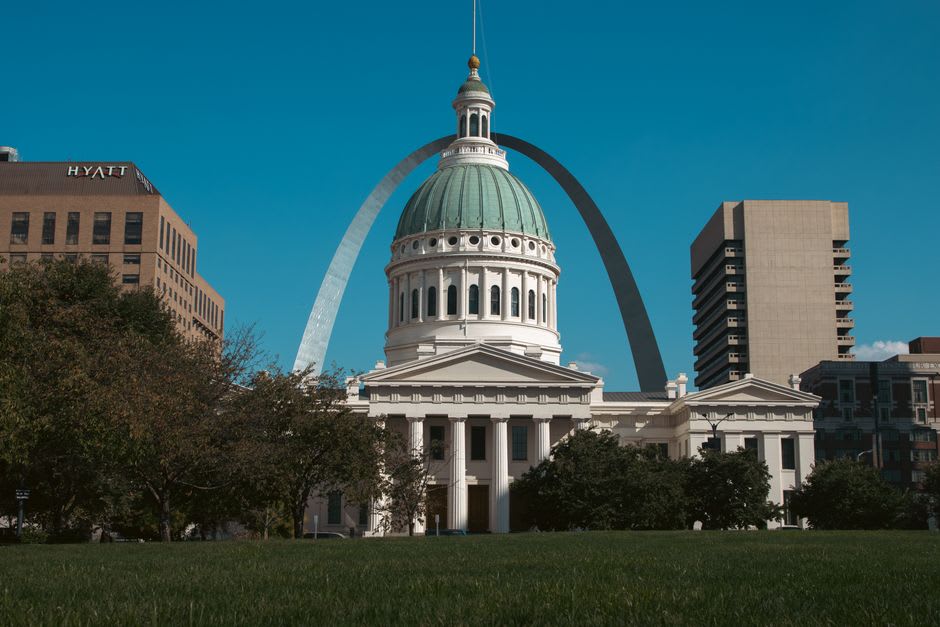
The Gateway Arch is one of those monuments you think you understand from photographs and then completely misjudge in person. Lia and I stood at its base, necks craned, and simply could not make our eyes agree on its scale — a perfect stainless-steel curve, 192 metres of it, so smooth and improbable it looks less built than drawn onto the sky. It catches the light differently every minute, silver then white then almost mirror-bright. We had come to St. Louis half-expecting a quick photo and a move on. The Arch, and the city under it, held us for three unhurried days instead.
Riding to the top of the Arch
You can go inside the Arch, which almost nobody expects. Small egg-shaped tram capsules — gloriously retro, straight out of a 1960s vision of the future — carry you up through the curving hollow leg to a narrow observation deck at the summit. Lia is not fond of enclosed spaces and gripped my hand the whole cramped ride up, but the reward silenced her nerves: the Mississippi sliding brown and vast to the east, the whole grid of St. Louis spread west, and the sense of standing inside a sculpture. The museum beneath, telling the story of America’s westward expansion from this very spot, is thoughtful and free, and worth an hour before you ascend.
Forest Park and the free museums
St. Louis has a civic secret that shamed my Parisian assumptions: many of its finest institutions are completely free. In Forest Park — larger than New York’s Central Park and the site of the 1904 World’s Fair — we visited the Saint Louis Art Museum and the St. Louis Zoo without paying a cent, a legacy of a public tax that keeps the great institutions open to all. We spent a full day in the park, wandering from the art museum’s galleries down to the boathouse lake, past joggers and picnicking families. It is an enormous, green, democratic space, and the fact that a city not usually counted among America’s wealthiest keeps such treasures free left a deep impression on both of us.
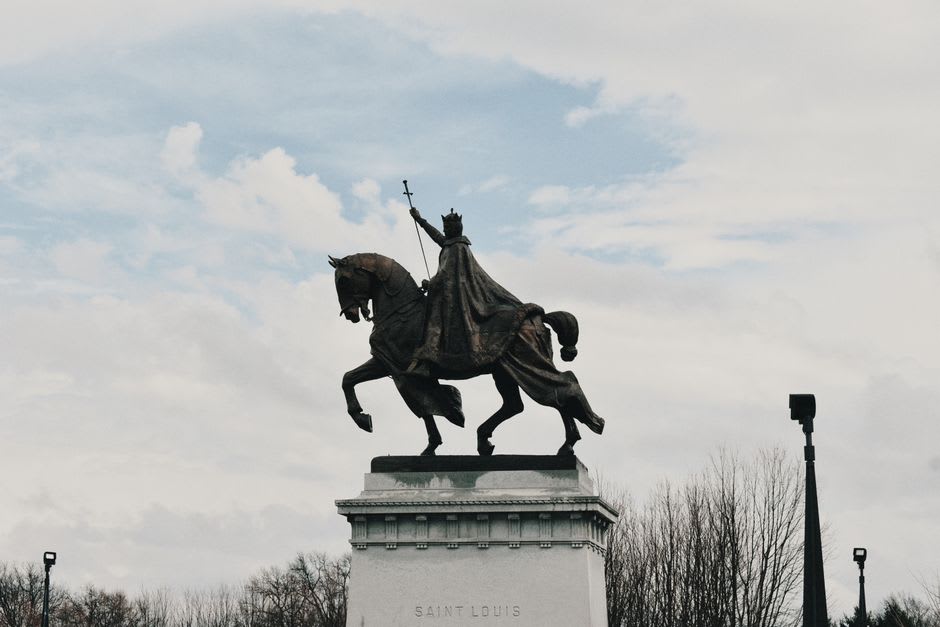
Brick neighbourhoods and a strange cathedral
The everyday beauty of St. Louis lives in its brick — mile after mile of it, in ornate row houses, old breweries, and the historic streets of Soulard and Lafayette Square. We wandered the Soulard Market, a covered farmers’ market operating since the early nineteenth century, and bought bread and cheese for a park lunch. But the building that stopped us cold was the Cathedral Basilica, whose plain exterior hides one of the largest collections of mosaic in the world — 41 million tiles glittering across every vaulted surface inside. Lia and I sat in a pew for a long time simply looking up, the way you do in Ravenna or Venice, astonished to find such a thing in the American Midwest. St. Louis keeps surprising you like that, quietly, when you least expect it.
Getting There
St. Louis Lambert International Airport lies northwest of the city and connects to downtown via the MetroLink light rail in around thirty-five minutes, running right past the stadium to a stop within sight of the Arch. St. Louis is also a classic road-trip waypoint on old Route 66, an easy interstate run from Kansas City, Chicago, or Memphis, and Amtrak’s Lincoln Service and Texas Eagle stop at the downtown station. Within the city, the MetroLink handles the airport, downtown, and Forest Park, but the outlying brick neighbourhoods are spread out enough that we found a car handy for exploring Soulard, Lafayette Square, and the cathedral at our own pace.
Keep exploring
More of Missouri