Kansas City
"Kansas City serves its jazz slow and its barbecue burnt at the edges, and both are better for the patience."
A Missouri city of jazz history, more fountains than almost anywhere on earth, and barbecue that has quietly earned legendary status. Lia and I came hungry and curious, and left convinced this understated place is one of America's great, overlooked pleasures.
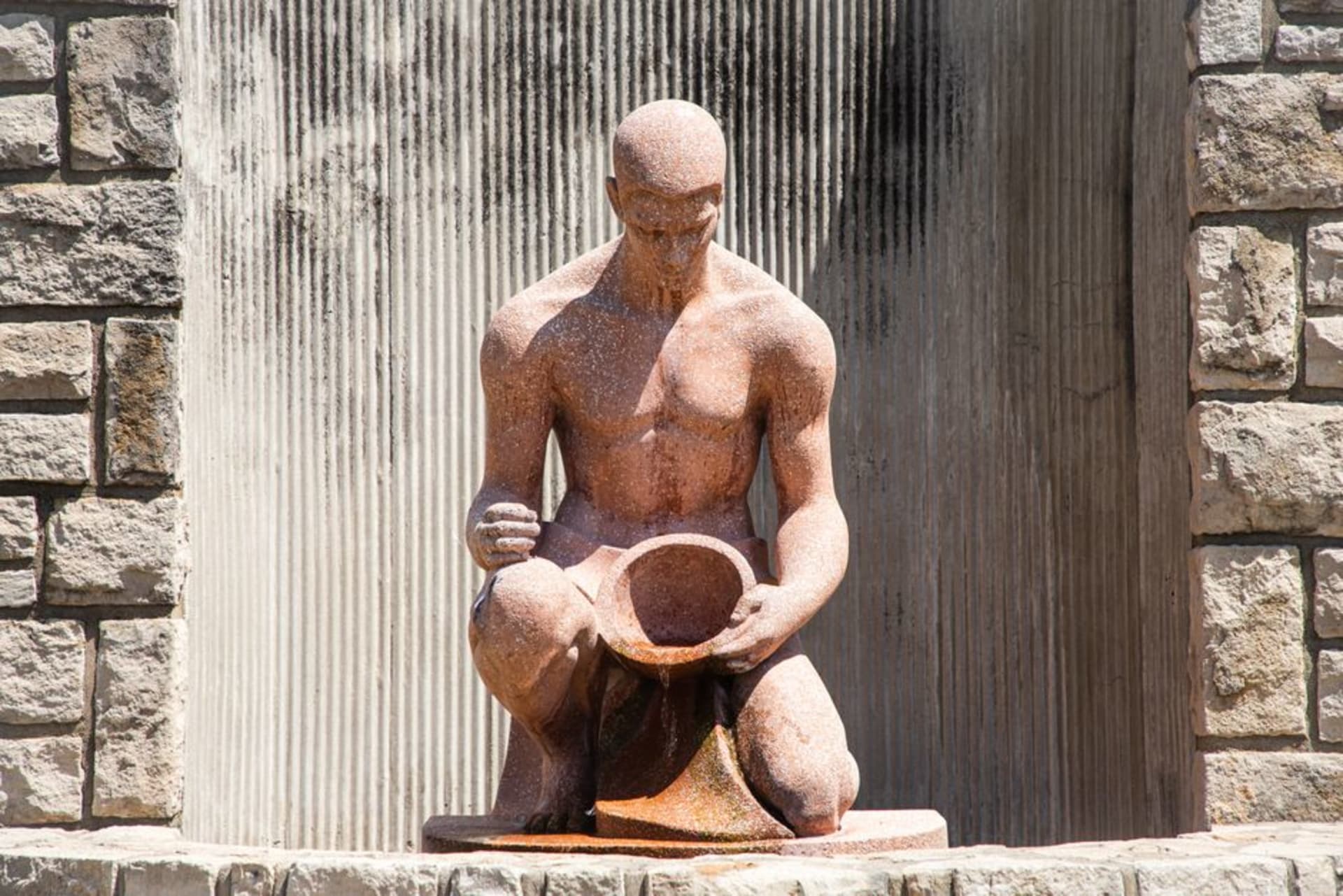
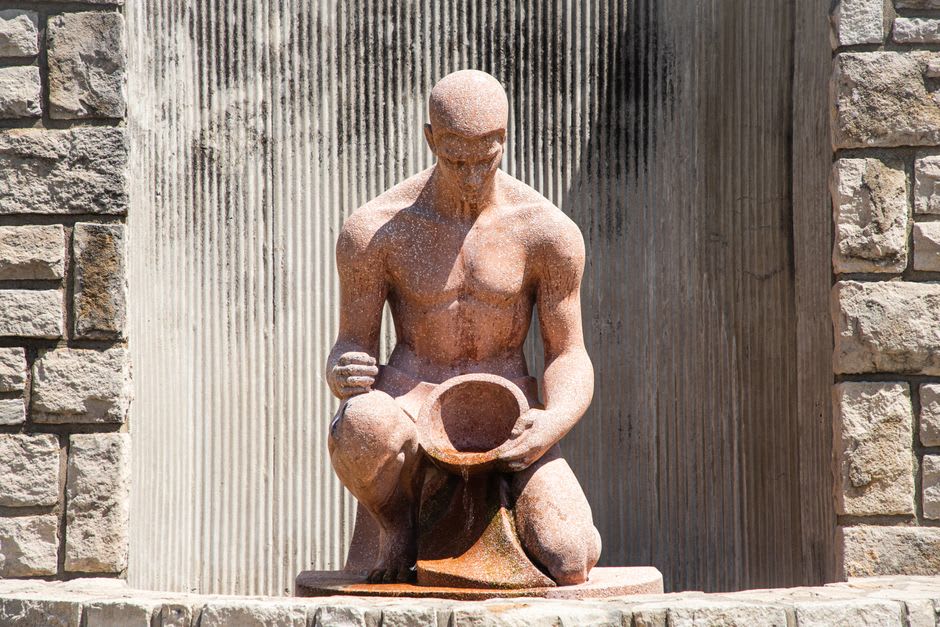
We came to Kansas City almost by accident, a detour on a longer road trip, expecting a single good meal and a night’s sleep. Instead the city ambushed us with fountains — hundreds of them, spouting from plazas and traffic islands and park corners, an obsession that earns Kansas City its nickname as the City of Fountains. Lia, who collects small civic eccentricities the way some people collect fridge magnets, was delighted. By the second morning we had abandoned our schedule entirely and decided to give this quietly confident city the two full days it clearly deserved.
Barbecue and the burnt ends
Let me be honest: we came for the barbecue, and the barbecue justified the trip on its own. Kansas City barbecue is a slow, smoky religion, and its great sacrament is the burnt end — the charred, caramelised tips of the brisket, once thrown away and now the most coveted bite in town. We queued at a legendary spot where the pit smoke hangs in the parking lot like fog, and ate burnt ends slathered in a thick, molasses-dark sauce that I am still thinking about. Lia declared it the best meal of the entire trip, and I did not argue. There is an artistry here — the patience of low heat over hours, the balance of smoke and sweet — that a French cook can only respect.
The jazz district and the museum
In the 1930s, the 18th and Vine district was one of the beating hearts of American jazz, the place where Charlie Parker learned his trade and countless bands played until dawn. Today the American Jazz Museum and the Negro Leagues Baseball Museum share a building there, and we spent a moving afternoon among Parker’s saxophone, old recordings, and photographs of a Black cultural golden age. That night we found a small club nearby where a quartet played to a half-full room, unhurried and superb. The music in Kansas City is not a spectacle staged for tourists; it is a living thread the city has simply never let go of, and hearing it in its birthplace gave it a weight no concert hall could match.
Fountains, plazas, and the art of the stroll
By day we walked the Country Club Plaza, an early-twentieth-century shopping district built in the style of Seville, all Spanish tilework, towers, and — of course — fountains. It is unashamedly pretty, and on a warm evening the whole neighbourhood glows. We drifted from there to the Nelson-Atkins Museum of Art, whose sweeping lawn is studded with four enormous shuttlecock sculptures, as if a giant had abandoned a game of badminton across the grass. Lia lay on the lawn between two of them while I wandered the museum’s remarkable Asian collection. Kansas City, we decided, is a city that rewards the slow stroller — generous, unpretentious, and full of small delights it never bothers to boast about.
Getting There
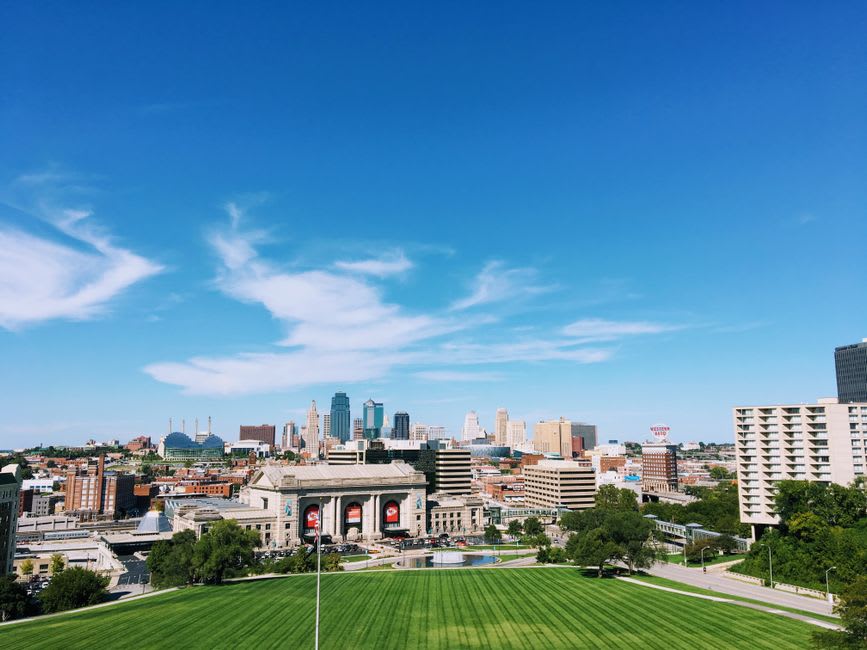
Kansas City International Airport reopened with a gleaming new terminal in 2023, about a thirty-minute drive north of downtown; the 229 bus offers a budget link, though a car is the easiest way in from the airport. The city sits at the crossroads of the American Midwest, an easy interstate drive from St. Louis or Omaha, and Amtrak’s Southwest Chief and Missouri River Runner both stop at the handsome Union Station. Within the city, a free downtown streetcar runs along Main Street, but the neighbourhoods sprawl, so we found a car useful for reaching the jazz district, the Plaza, and the barbecue joints scattered across town.
Keep exploring
More of Missouri