
Milwaukee
"The lake was the color of steel and the beer was the color of amber, and both felt exactly right."
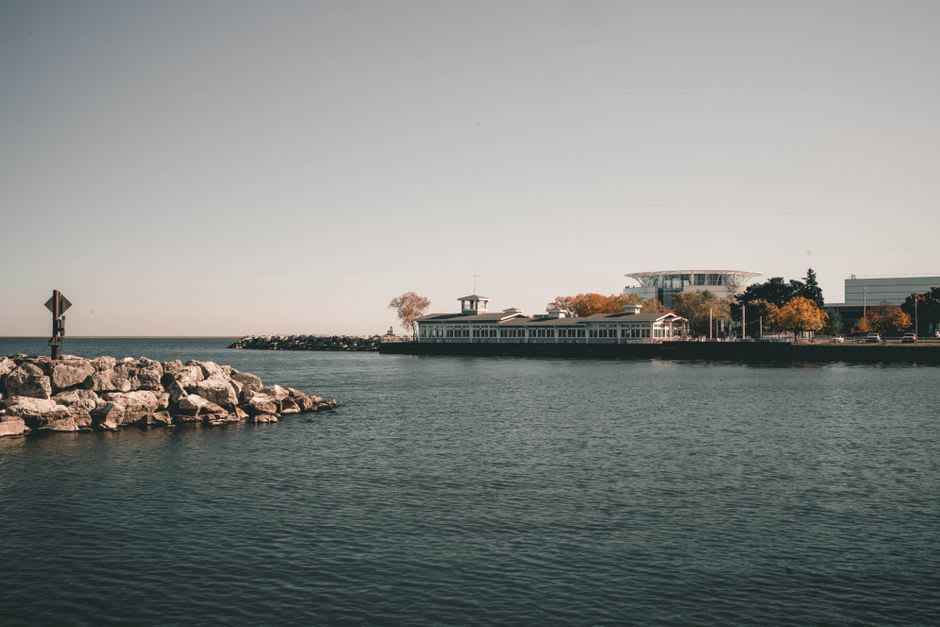
Lia and I drove into Milwaukee on a grey afternoon in early June, and the first thing we noticed was the light off the lake — a hard, silvery brightness that made everyone squint and lean toward the water. We’d expected an industrial town and got one, but softened at the edges, its old cream-brick warehouses turned into cafés and its river threaded with a walkway. A man at a gas station, hearing my accent, insisted we go straight to the lakefront before doing anything else. “You’ll understand the city better,” he said. He was right, in a way I couldn’t have explained at the time.
The museum that breathes
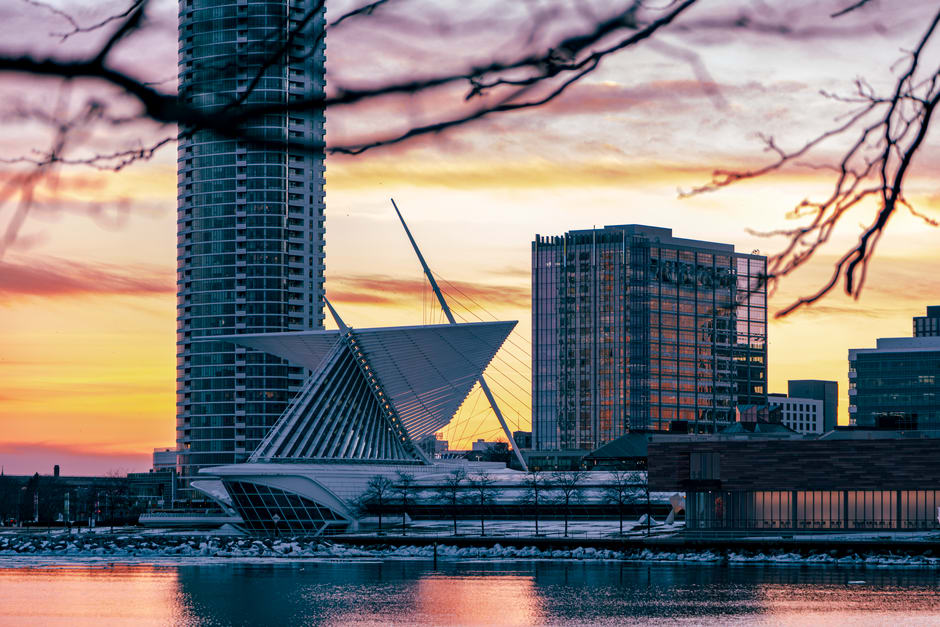
We started at the Milwaukee Art Museum, and I’ll admit we went as much for the building as the art. Calatrava’s white pavilion sits at the water’s edge with two great wings that open and close over the glass hall like something alive, and at noon we stood beneath them as they slowly lifted. Lia gasped, which she never does. Inside, the galleries were nearly empty, and we wandered past folk art and Georgia O’Keeffe’s enormous flowers with the lake filling every window. Afterwards we sat on the steps outside and watched sailboats lean into the wind, and I understood the gas station man completely.
Beer, and the people who make it
You cannot come to Milwaukee and ignore the beer, and we didn’t try. We toured the old Pabst complex, its brick towers and copper kettles now half museum and half working brewery again, and a guide with a walrus moustache told us how the city’s German immigrants built cathedrals to lager. But it was a smaller place in Bay View that stayed with us — a taproom where the brewer himself poured our flight and sat down to talk about hops until the light faded. Lia asked what made Milwaukee beer different, and he shrugged and said, “The water, mostly. And that we’re not in a hurry.” We drank slowly after that.
The Third Ward and the river
Our last morning belonged to the Historic Third Ward, a district of tall Italianate warehouses now full of galleries, a public market, and the smell of roasting coffee. We bought cheese curds still squeaking from the Milwaukee Public Market and ate them standing up, embarrassingly happy, then walked the RiverWalk as it wound between old brick façades and new glass. A bronze statue of the Fonz made Lia laugh out loud. We ended at a bench by the water where an old man was feeding gulls and told us he’d worked the tanneries here fifty years ago. “Whole city’s changed,” he said, “but the lake never did.” Then he went back to his gulls.
Getting There
Milwaukee’s Mitchell airport sits just south of downtown and is small enough to walk end to end, but many travelers arrive as we did — driving up from Chicago, ninety flat minutes along the lake, or riding the frequent Amtrak Hiawatha train that does the same run for a handful of dollars. Once here the compact downtown, the Third Ward, and the lakefront are easily walked, though we used a rideshare to reach Bay View’s breweries. Come in summer for the festivals that crowd the lakefront every weekend; come in winter only if you truly love cold, clean air off a frozen lake.