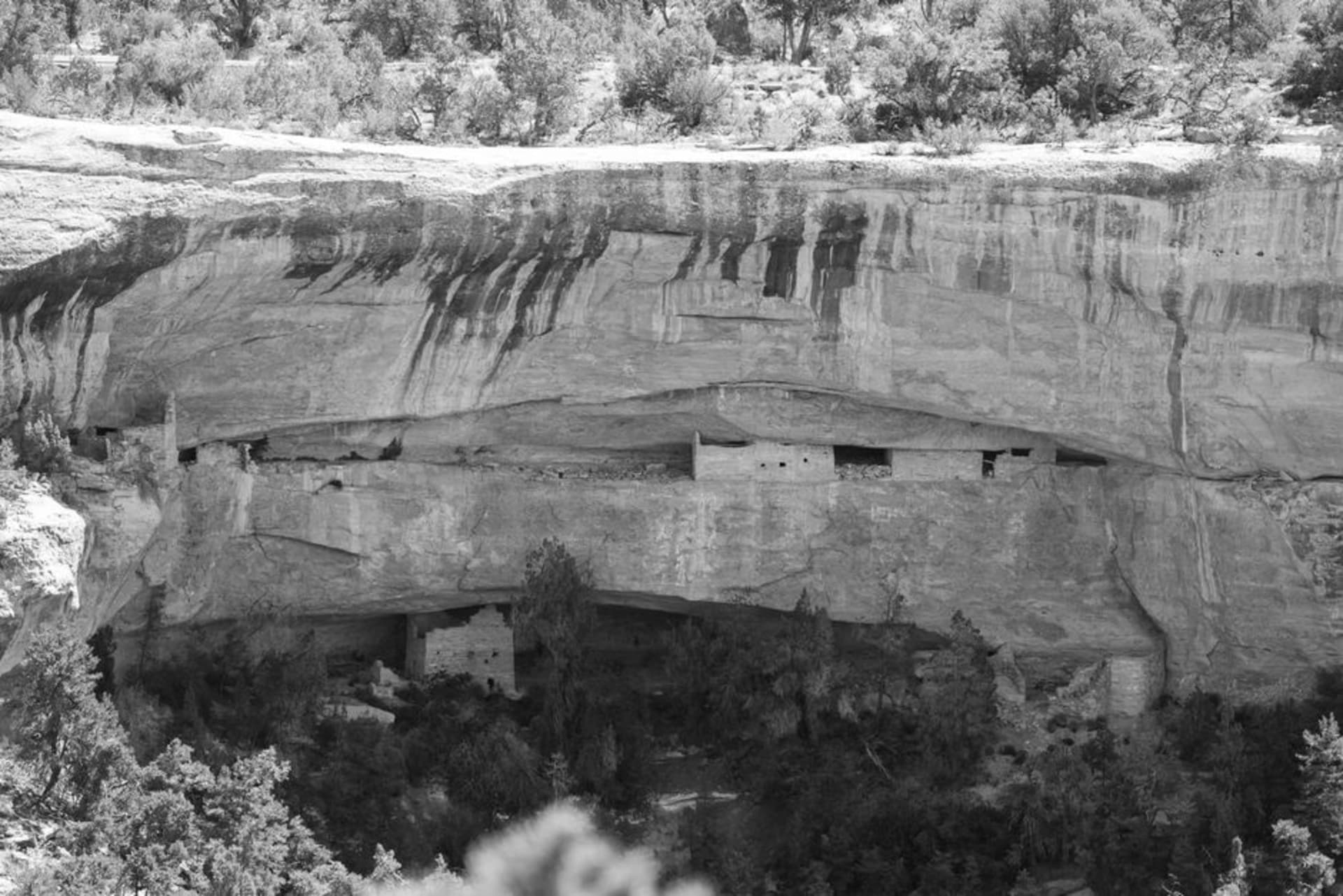
I had seen the photographs, and I still was not ready. Lia and I climbed the ladder down into the canyon on the Cliff Palace tour, rounded a shoulder of rock, and there it was in its great alcove: a hundred and fifty rooms of shaped sandstone, round towers and square walls, tucked under the overhang like something built by careful giants and then simply left. A family of swallows wheeled through it. Nobody in our group spoke for a moment. It is one thing to read that people lived in the cliffs eight hundred years ago; it is another to stand in the cool shade of their walls with your hand on the mortar they mixed.
Cliff Palace and Balcony House
The big dwellings can only be visited on a ranger-led tour, and you should take one, because the rangers turn stone into story. Cliff Palace is the largest, and standing among its towers you start to read the town: the round kivas sunk into the floor for ceremony, the tiny doorways, the soot still black on the alcove ceiling from centuries of cooking fires. Balcony House, which we did the next morning, is the adventurous one, reached by a thirty-foot ladder and a crawl through a tunnel. Lia went first and I heard her laugh echo off the rock ahead of me. Emerging into that hidden village with the canyon dropping away below was a small, real thrill.
The Mesa Top and the Question of Why
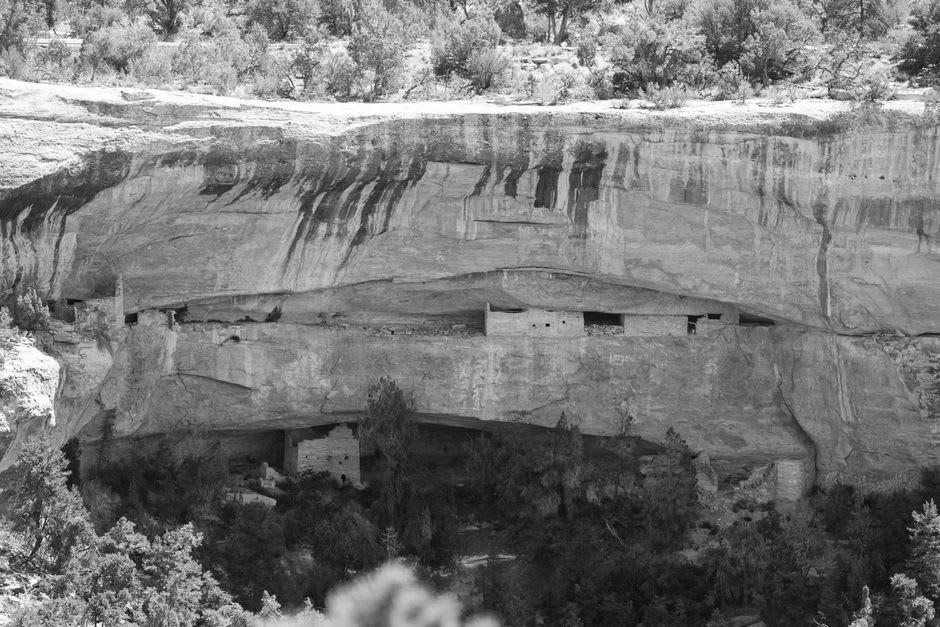
Before the people moved into the cliffs, they lived for centuries on top of the mesa, and the Mesa Top Loop road walks you through that whole arc: pit houses sunk in the earth, then above-ground pueblos, then finally the great cliff dwellings of the last hundred years before everyone left around 1300. Standing at an overlook with Lia, looking across the canyon at dwellings we could not reach, we kept circling the same unanswerable question the rangers admit they cannot fully answer either: why build homes so hard to reach, and then, within a few generations, walk away from all of it? Drought, conflict, migration, faith. The mesa keeps its reasons.
A Living Heritage
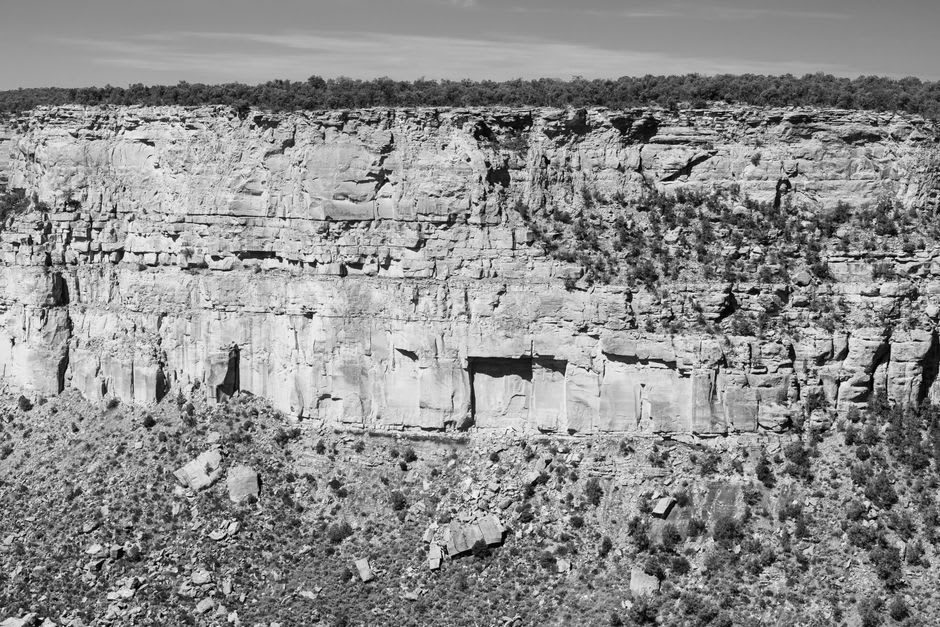
What stayed with me most was learning that Mesa Verde is not really “lost” at all. The descendants of the people who built these towns are the Pueblo nations still living in the Southwest today, from Hopi to Zuni to the villages along the Rio Grande, and for them this is not a ruin but an ancestral home. A ranger, herself of Pueblo descent, asked us gently not to call the builders “vanished.” Lia and I drove out at dusk with the mesa turning gold behind us, and I felt I had been trusted with something that still belonged to people alive today, and that we were only passing through as guests.
Getting There
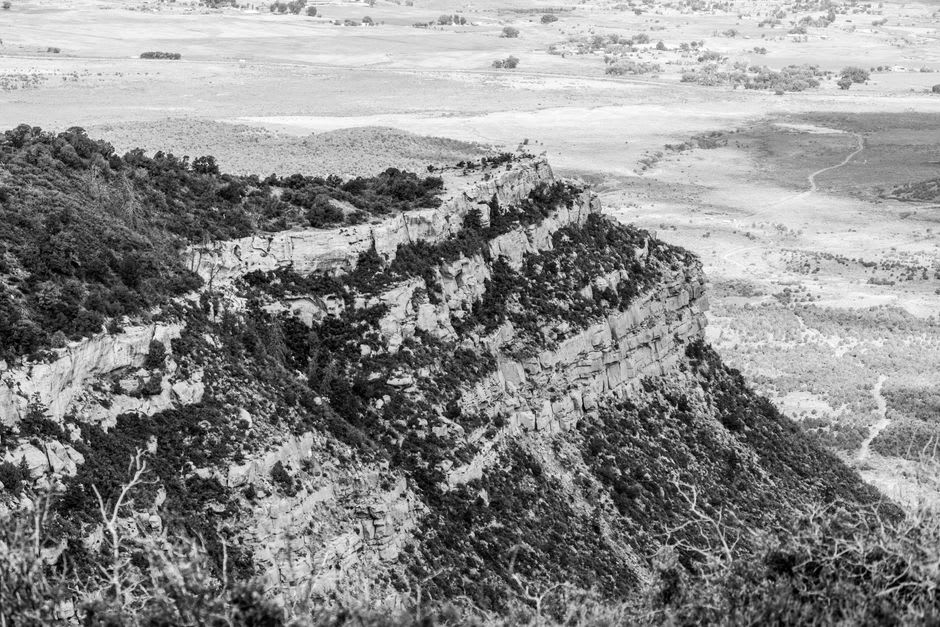
Mesa Verde National Park lies in the far southwestern corner of Colorado, off US-160 between the towns of Cortez and Mancos, about a forty-minute drive from Durango. From the entrance it is a steep, winding thirty-minute climb up to the main sites, so allow time. Tickets for ranger-led tours of Cliff Palace and Balcony House sell out and must be booked in advance online. Come in late spring or early autumn to avoid the summer crowds and heat, wear real shoes for the ladders, and treat every wall you pass as what it is: someone’s home.