Memphis
"By the second night I could not tell where the music stopped and the city began."
We heard Memphis before we properly saw it. We had parked somewhere off Second Street and were walking toward the river when a wall of sound reached us from a block away, a slide guitar bending a note so far it hurt, and Lia grabbed my arm and just steered us toward it. That is how you arrive in Memphis: not by a monument but by a sound leaking out of an open door. This is a city that plays music the way other cities make small talk, constantly, unselfconsciously, as the natural medium of being alive. We surrendered to it within the hour.
Beale Street and the Blues
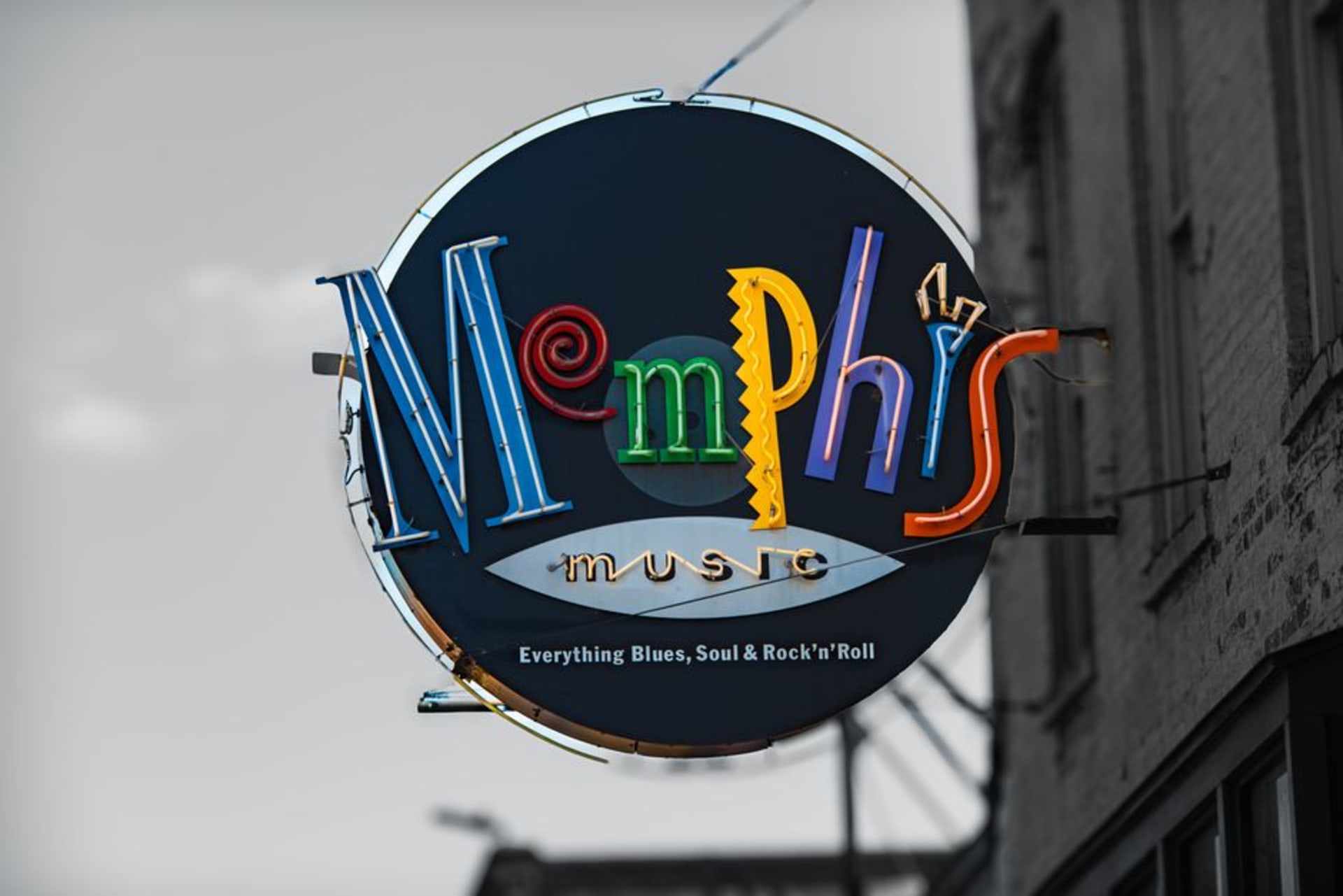
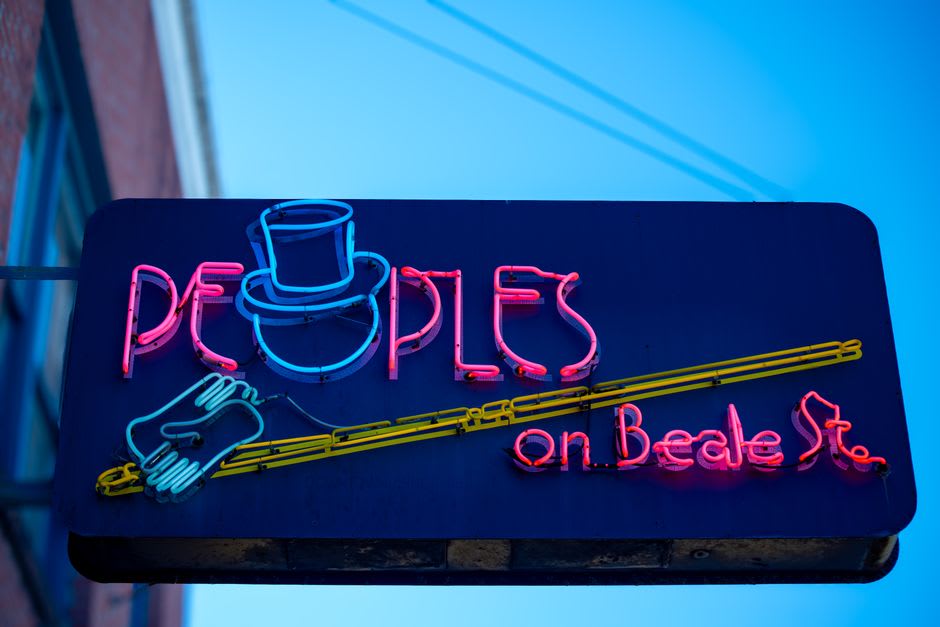
Beale Street at night is pure sensory overload, and I mean that as praise. Neon signs stacked three deep, the smell of barbecue and spilled beer, and from every doorway a different band: a blues trio here, a brass ensemble there, an old man alone with a guitar who was better than any of them. We ducked into a club, ordered two beers, and watched a band play until the walls seemed to sweat. B.B. King learned his trade on this street, and you can feel that lineage in the way the local players attack a note, all feeling and no hurry. Lia danced with a stranger’s grandmother. I gave up taking notes and just listened.
The National Civil Rights Museum
But Memphis holds sorrow too, and we owed it our attention. The National Civil Rights Museum is built into and around the Lorraine Motel, where Dr. Martin Luther King Jr. was killed in 1968, and the museum walks you through the whole long arc of the movement before delivering you, quietly, to the balcony of Room 306, left exactly as it was. A wreath hangs on the railing. Lia and I stood there a long time, unable to speak, the ordinary motel courtyard suddenly unbearable. It is one of the most affecting places I have ever visited, and it reframed every joyful note we had heard the night before. This city earned its music the hard way.
Barbecue and the Mississippi
On our last day we made peace with the two great appetites of Memphis: smoke and the river. We found our way to Central BBQ and ate a rack of dry-rub ribs, no sauce, just spice and slow smoke, the meat pulling clean off the bone, and half a pulled-pork sandwich because Lia insisted. Then we walked it off along the bluff at the Mississippi River, watching the brown water slide past, so wide and so slow it seemed to be thinking. A tug pushed a line of barges upstream. Somewhere behind us a busker started up again, and I thought that this was the whole city in one frame: the river, the smoke, and the sound, all moving at their own unhurried pace.
Getting There
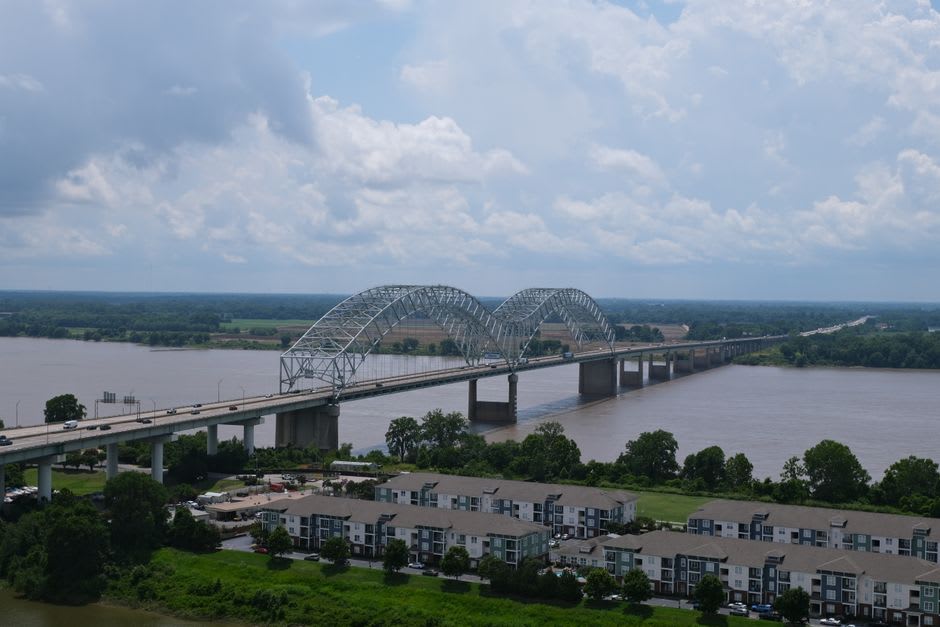
Memphis International (MEM) sits about fifteen minutes south of downtown, an easy small airport with good connections through the major hubs. We came in by car down Interstate 40, following the Mississippi, which is a fine way to feel the river announce the city. Downtown Memphis is compact and walkable, and a restored vintage trolley trundles along Main Street between Beale, the river, and the museums. Come in spring or autumn; the Delta summer is hot and heavy, though the music, of course, never stops for weather.