Medora
"The prairie split open right at the end of the street, and the badlands began."
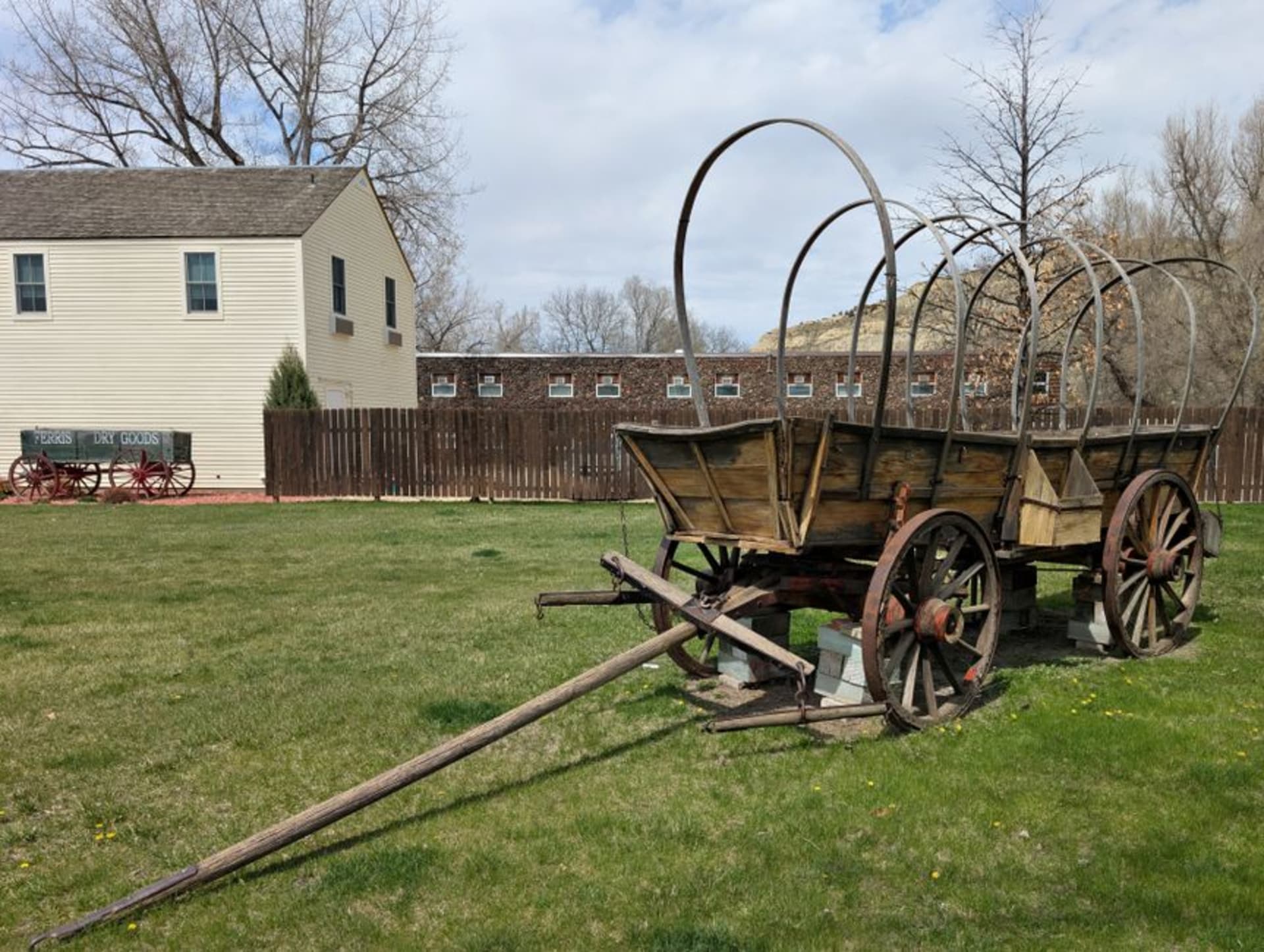
We reached Medora at the end of a long day of driving through North Dakota, a state most people cross without stopping, and I understood almost immediately why they’re wrong to do so. The town is barely more than a few blocks of wooden storefronts and a whitewashed church, but it sits on the lip of something extraordinary: the point where the endless flat prairie simply gives out and collapses into the badlands, a torn-up country of banded buttes and dry washes glowing rust and cream in the low sun. Lia and I dropped our bags and walked to the edge of town, and there it was, the wilderness beginning right where the sidewalk ended.
Into the Badlands
The next morning we drove into Theodore Roosevelt National Park, which begins at Medora’s doorstep. This is the land that made Roosevelt a conservationist — he came here as a heartbroken young man in the 1880s to ranch and grieve, and left convinced the American wild was worth saving. Driving the scenic loop, I could see why it worked on him. The buttes are layered like something baked, red scoria and gray clay and seams of black lignite coal, and the whole thing shifts color as the light moves. We stopped at an overlook and watched wild horses — actual wild horses, descendants of ranch stock — pick their way along a distant ridge, manes blowing.
Bison, Prairie Dogs and the Big Quiet
What the badlands do best is silence. We pulled over beside a prairie dog town and turned the engine off, and the little sentries popped up and chirped their alarms across the whole colony, a network of warnings rippling out. Further on, a lone bison stood in the road and made us wait, as bison everywhere seem to enjoy doing. But the thing I remember most is stepping out at an empty overlook and hearing absolutely nothing — no cars, no wind even, just the enormous hush of a place with almost no people in it. Lia whispered something and it felt too loud. The plains do that to you. They make you small and quiet.
The Town and the Night Sky
Back in Medora, the town leans cheerfully into its frontier past — there’s an outdoor musical up in a hillside amphitheater, and a pitchfork steak fondue where they cook the steaks on actual pitchforks over open fire, which is exactly as absurd and delicious as it sounds. We ate too much of it. But the best part came after dark. Medora is far from any city, and when the amphitheater emptied and the street quieted, we walked out past the last lamppost and looked up. The Milky Way stretched clear across the sky, sharp and dense, the way it must have looked to Roosevelt on his ranching nights. We stood in the cold until our necks ached.
Getting There
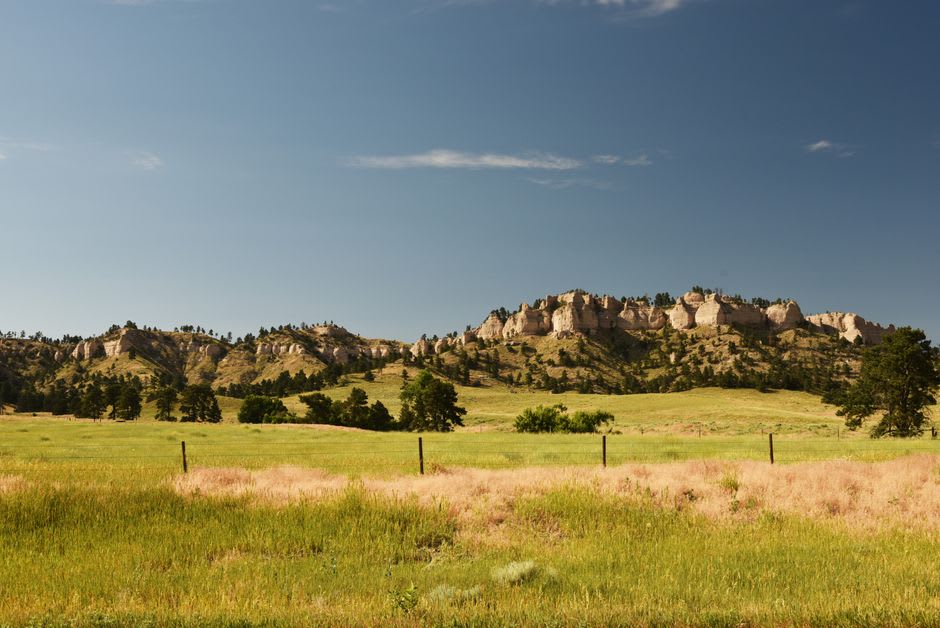
Medora lies in far western North Dakota, right off Interstate 94, about 130 miles west of Bismarck and 25 miles east of the Montana line. The nearest airports are Dickinson (small, closest) and Bismarck; most travelers drive, often as part of a longer road trip linking the badlands with the Black Hills to the south. The town is tiny and walkable, but you’ll want a car for the national park’s scenic loop. Summer brings the musical and the fullest services; late spring and September are quieter and cooler, with the badlands at their most colorful in slanting light.