Lia found the accent first. We had barely stepped off the plane when a man at the rental counter called her “hon” and drew the word out like taffy, and she turned to me with that look she gets when a place has already decided to charm us. I had come to Louisville with a tidy plan — one distillery, one afternoon at the racetrack, done. Instead we spent our first evening on a porch in the Highlands, drinking something older than either of us, listening to a stranger explain the difference between wheated and rye-forward bourbon as though our lives depended on it. By the time the streetlights came on I understood I had badly misjudged how long this city would keep us.
The Whiskey Row Ritual
We walked Whiskey Row the next morning, the old cast-iron facades on West Main catching the light like something out of a faded postcard. Inside the Evan Williams Experience the air was thick and sweet, that unmistakable smell of the “angel’s share” — the whiskey that evaporates through the barrel and, the guide told us with a straight face, feeds the black fungus that stains the warehouse walls. Lia loved that detail more than the tasting itself. We learned to sip, not gulp; to let the burn settle into caramel and oak. What struck me was how unhurried it all was. Nobody rushed us. A bartender named Dell spent twenty minutes telling us why limestone-filtered water matters, and I believed every word.
Churchill Downs and the Roar
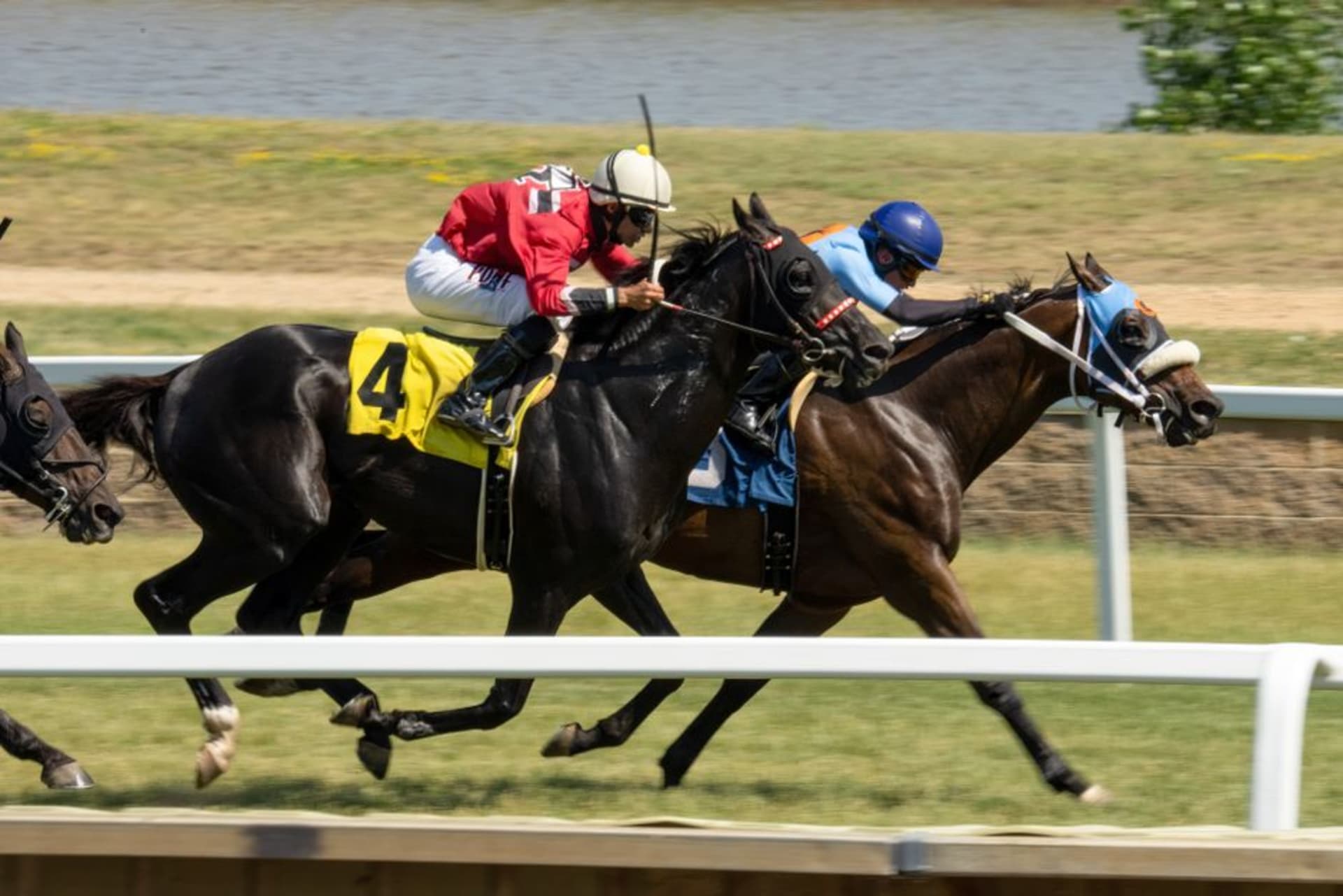
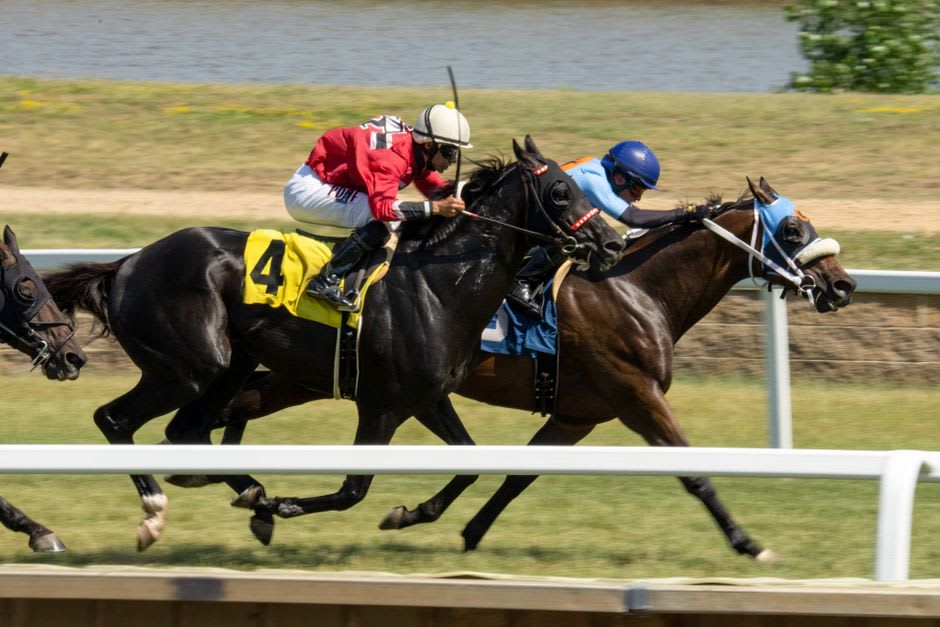
You cannot come here and skip Churchill Downs, so we didn’t. It wasn’t Derby season, which suited us — no giant hats, no crush of crowds, just the long grandstand and those famous twin spires standing quiet against the sky. We took the backstretch tour and stood close enough to a Thoroughbred to feel the heat coming off it, all trembling muscle and nerves. The Kentucky Derby Museum surprised me; I expected trophies and got a genuinely moving reel about the two minutes that define these animals’ lives. Lia teared up. I pretended I hadn’t. Then a real race night came, and the roar when the horses hit the final turn went straight through my chest.
Slugger Fields and Southern Plates
Downtown, a giant baseball bat leans against the wall of the Louisville Slugger Museum — 120 feet of painted steel that Lia insisted we photograph from every angle. Inside we watched a raw block of wood become a bat in minutes, and I held one that weighed less than I expected. Afterward we ate. Oh, we ate. A Hot Brown — that open-faced turkey-and-bacon thing drowned in Mornay sauce — at the Brown Hotel where it was invented, so rich we had to walk the whole of NuLu afterward to recover. That neighborhood, all brick and murals and independent shops, became our favourite corner of the city, the one we kept circling back to.
Getting There
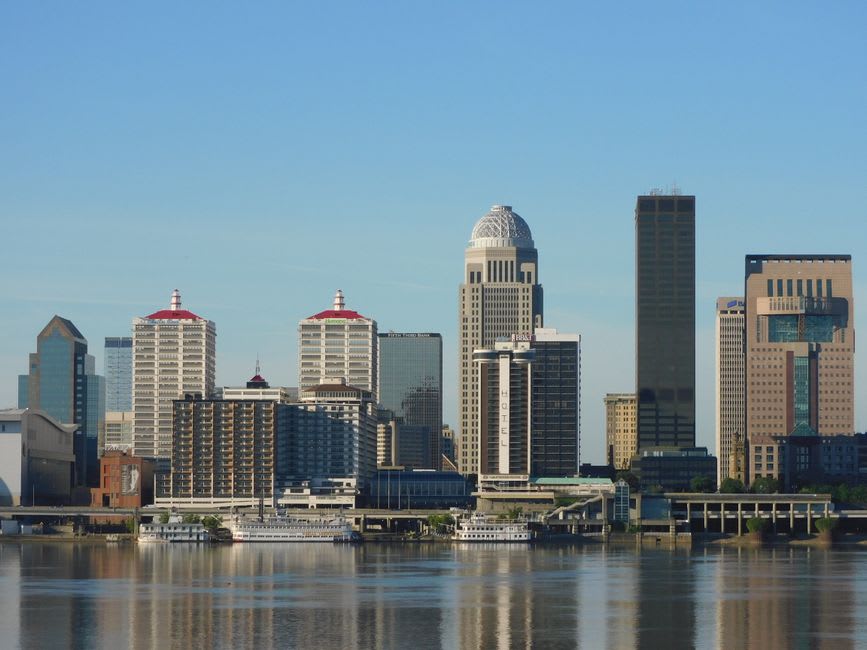
Louisville Muhammad Ali International Airport sits barely fifteen minutes from downtown, which felt almost suspicious after the sprawl of bigger American cities. We flew in via a connection through Chicago; direct routes come from most major US hubs. Once there, we found downtown and the Highlands walkable, but a car earned its keep for the distilleries strung out along the Kentucky Bourbon Trail. Spring and autumn are kindest — we went in early October and had warm days, cool nights, and the first amber tint on the trees. Book ahead if your visit lands anywhere near the first Saturday in May, because the whole city belongs to the Derby then.