
New Orleans
"New Orleans doesn't care what time it is — it only cares that you're enjoying yourself."
A city where jazz spills from every doorway, Creole kitchens feed the soul, and the streets never truly sleep.
I arrived on a Tuesday afternoon in October, when the heat still had teeth and the air smelled of river mud, chicory, and something frying — always something frying. The cab from Louis Armstrong Airport dropped me on Frenchmen Street, and within thirty seconds a trumpet line came threading out of the Spotted Cat, wrapped around me, and made me stand still on the sidewalk like a man who has forgotten where he was going.
That feeling never really left.
The French Quarter at an Honest Hour
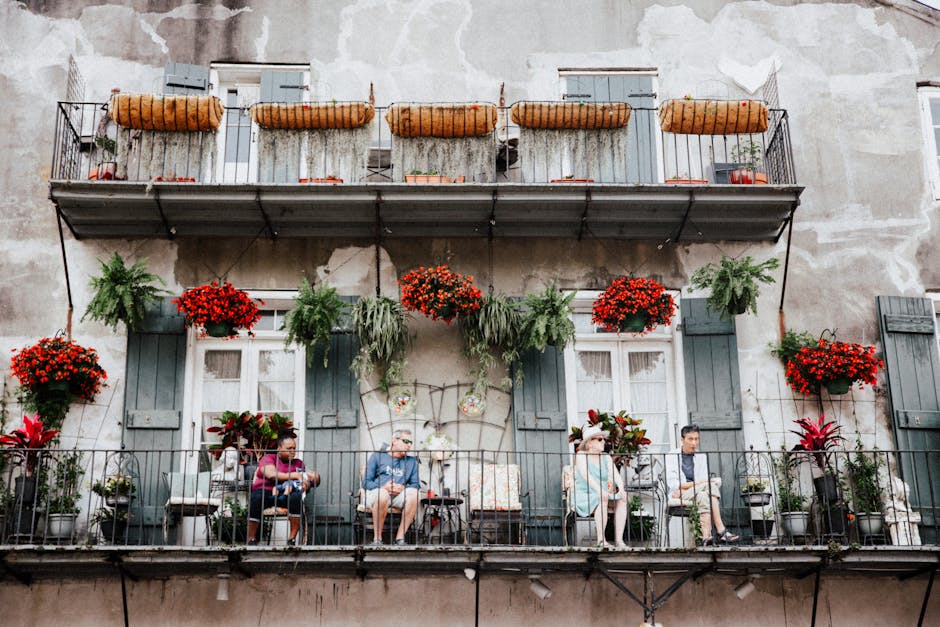
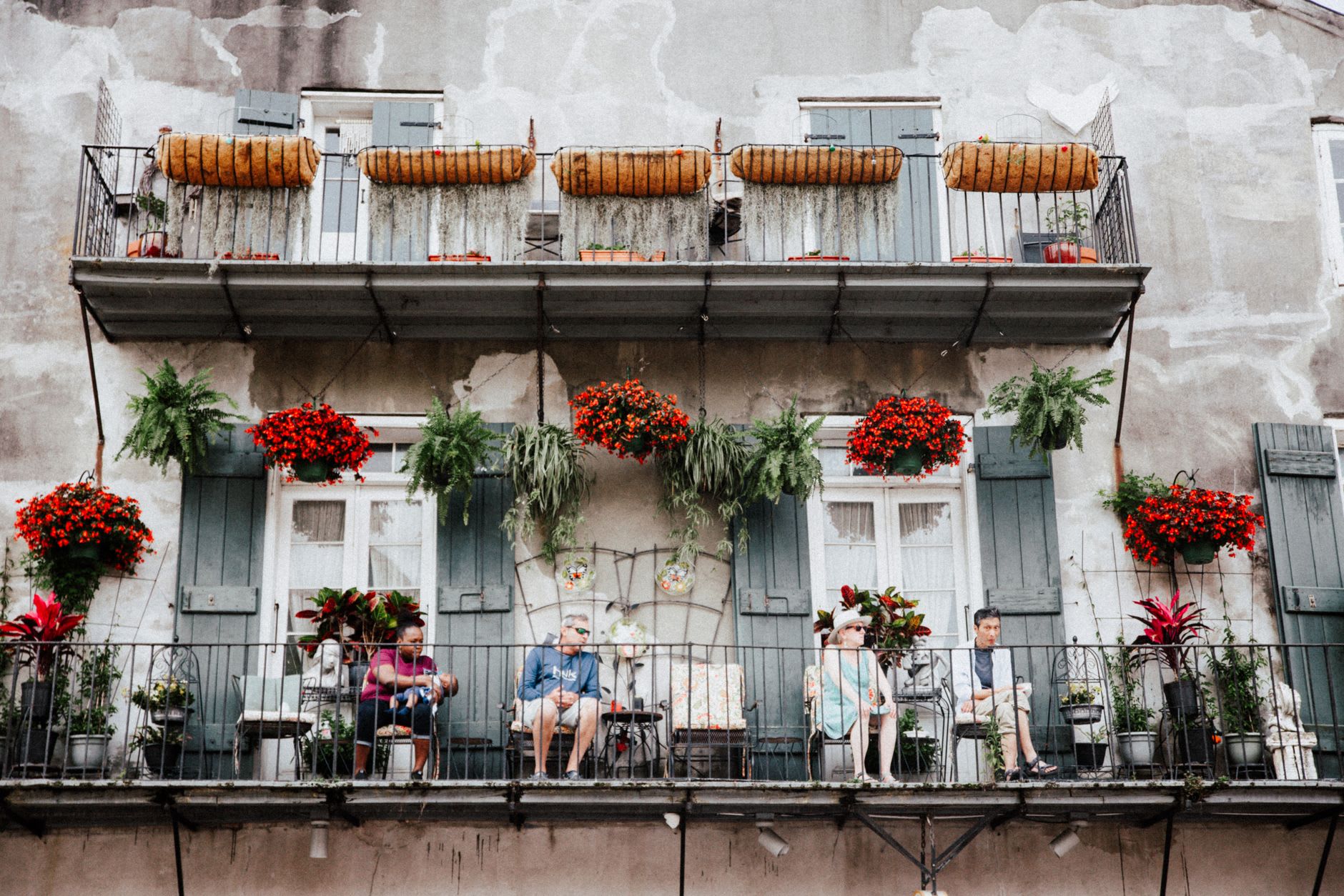
Most people make the mistake of judging the French Quarter by what they find on Bourbon Street after midnight. I made a different mistake first: I judged it by what I read about Bourbon Street before I arrived. The real Quarter reveals itself earlier — at seven in the morning, when the cleaning crews are hosing down the flagstones on Royal Street and the antique shops are just cracking their shutters. I walked those blocks with a paper cup of café au lait from Café Du Monde, dodging the last revelers of the night while the neighborhood recalibrated itself for another day. The ironwork balconies caught the low amber light, bougainvillea spilled over wrought iron, and for a moment the whole street looked like a stage set that hadn’t noticed the audience yet.
What Creole Kitchens Taught Me
Lia joined me on day three, and we spent the better part of an afternoon at Dooky Chase’s on Orleans Avenue, eating red beans and rice and a bowl of gumbo so dark and complex it seemed to carry the memory of every roux ever cooked in this city. The place has been feeding people since 1941. You can taste the continuity in the food — not nostalgia exactly, more like muscle memory expressed through cast iron.
The unexpected discovery came not at a celebrated restaurant but at a lunch counter on Magazine Street with no sign I could read. A woman who did not seem interested in explaining herself set down a plate of mirliton stuffed with shrimp and breadcrumbs. I had never eaten mirliton before. I have thought about it regularly since.
After Dark on Frenchmen Street
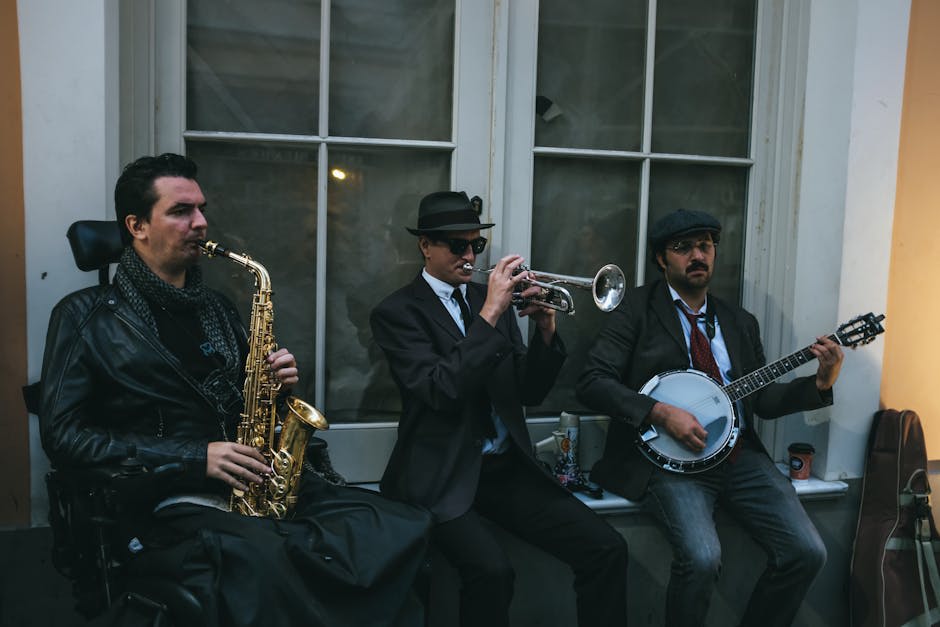
Frenchmen Street is where the music is honest. Three or four clubs open onto the sidewalk simultaneously, and on a good night you can stand at the intersection of Frenchmen and Chartres and hear a brass band, a jazz trio, and a blues singer all at once, layered and competing, none of it winning. We stayed until two in the morning without meaning to. The Treme Brass Band was doing something with a tuba that I cannot describe but will not forget.
When to go: October through November is the sweet spot — the brutal summer humidity has broken, the crowds of Mardi Gras season are months away, and the city settles into something closer to its actual self. Avoid July and August unless heat is your idea of character building.
Keep exploring
More of Louisiana