Las Vegas
"We watched the Bellagio fountains erupt against the dark and forgot, for a moment, to be cynical about it."
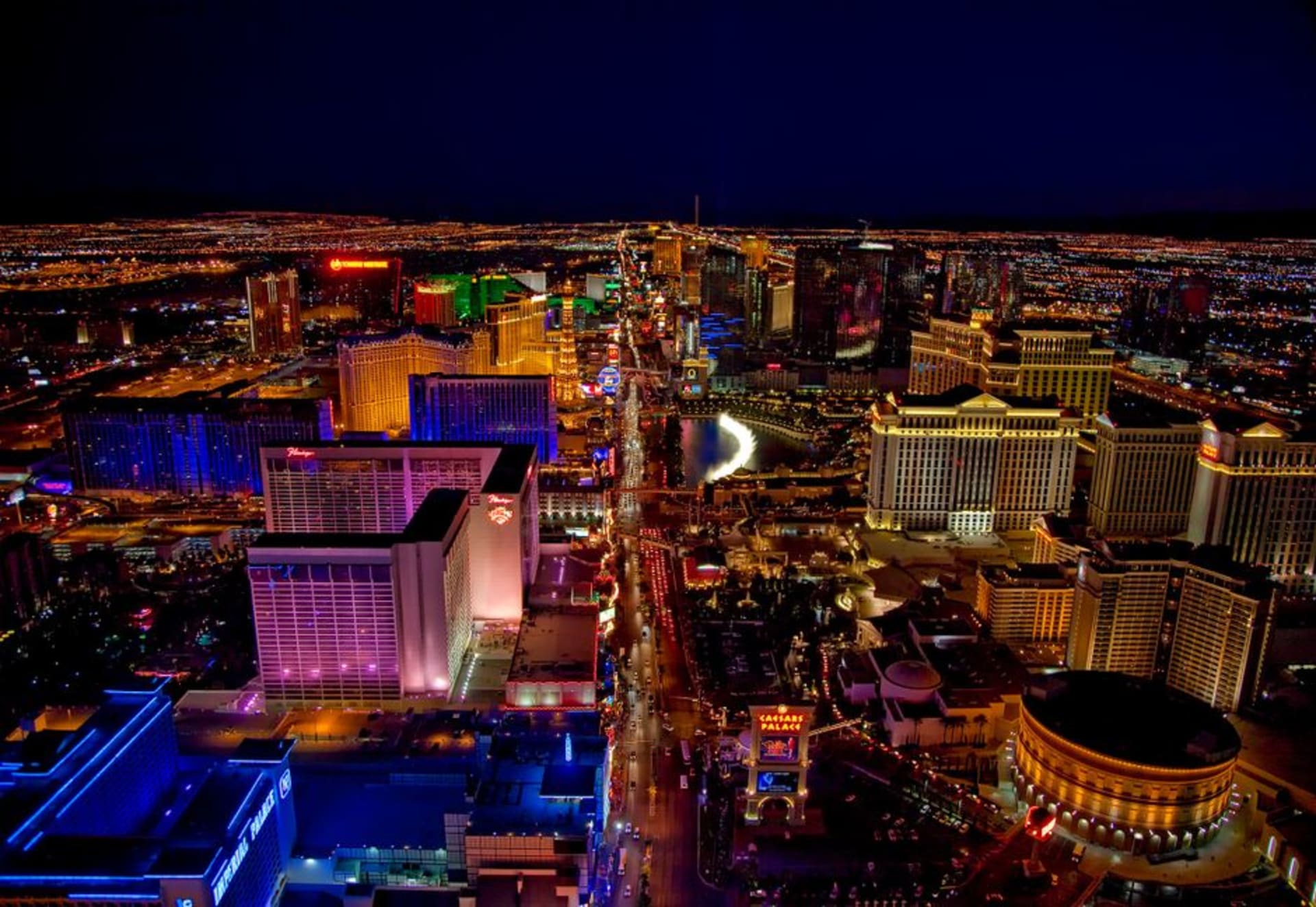
I am not a gambler, and I told Lia so three times on the drive in from the desert, as if saying it would inoculate me against the whole absurd apparition. Then we came over a low rise and there it was — a wall of light standing up out of nothing, the black flat of the Mojave giving way to towers pretending to be Venice and Paris and ancient Egypt all at once. It should have offended me. Instead I laughed out loud. There is a boldness to Las Vegas, a refusal to be anything but exactly what it is, that disarmed me before I’d even parked the car.
The Strip After Dark
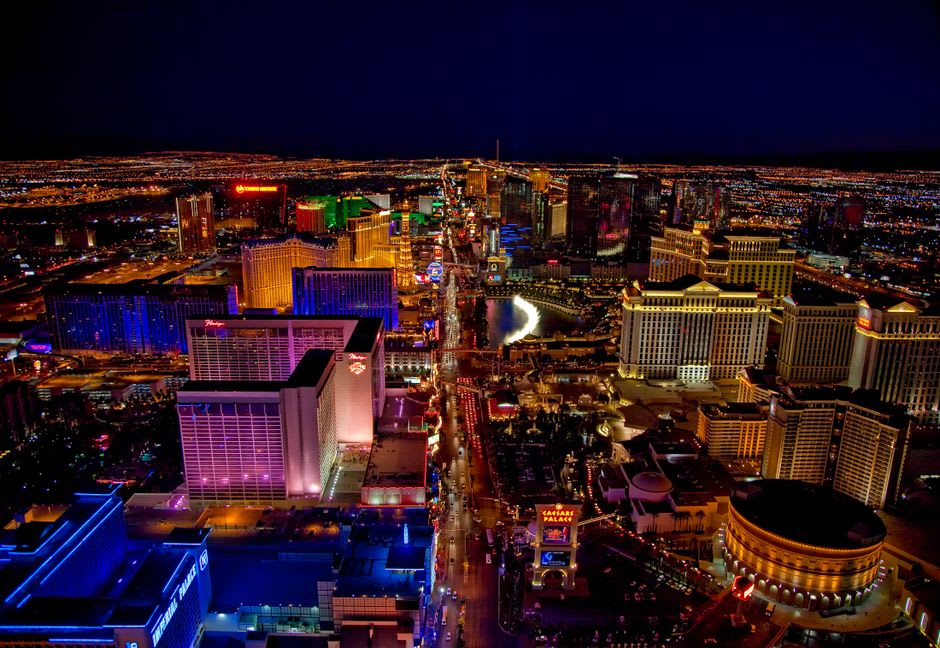
We walked the Strip on foot, which everyone warns you is too far and everyone does anyway. The scale plays tricks — the next casino always looks a five-minute stroll away and is somehow twenty. We drifted through the marble cool of the Bellagio, stood on the bridge as its fountains climbed and swayed to Sinatra against the night, and let the crowd carry us past the fake canals of the Venetian where gondoliers actually sing. Lia bought a frozen daiquiri the size of her forearm and we people-watched for an hour, which in this city is a sport unto itself.
Old Vegas and Fremont Street
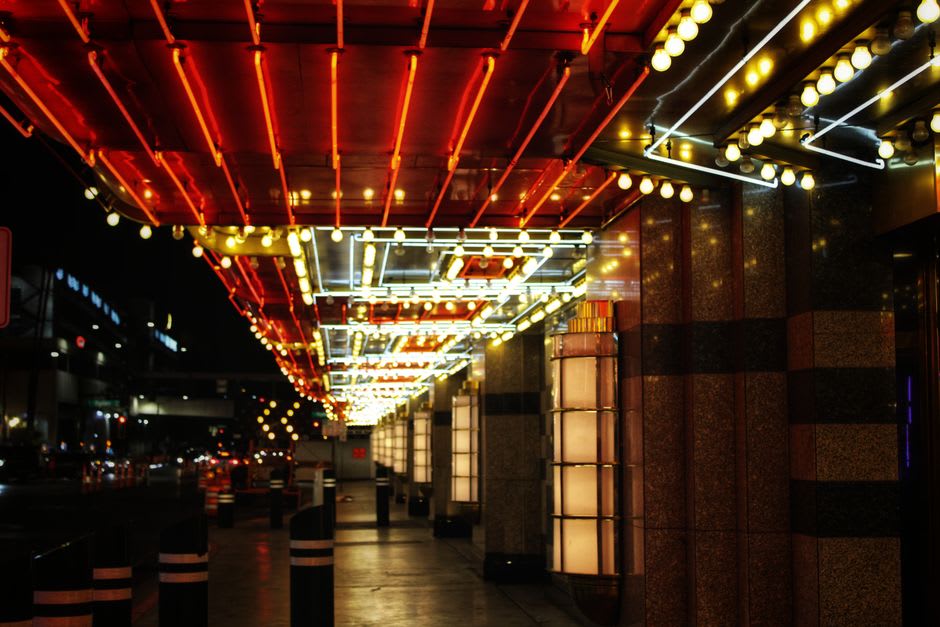
The Strip is the postcard, but downtown is where I actually fell for the place. We took a cheap ride to Fremont Street, the original Vegas, where the canopy of the light show flickers overhead and a man in a cowboy hat has been telling the same jokes, I suspect, since 1975. The neon here is older, warmer, hand-bent — the vintage signs at the Neon Museum boneyard down the road felt almost tender, these dead giants of a gaudier age laid out under the sun. We ate shrimp cocktail at a counter that hadn’t updated its prices or its Formica in decades, and I preferred it to anything on the Strip.
Escaping into the Desert
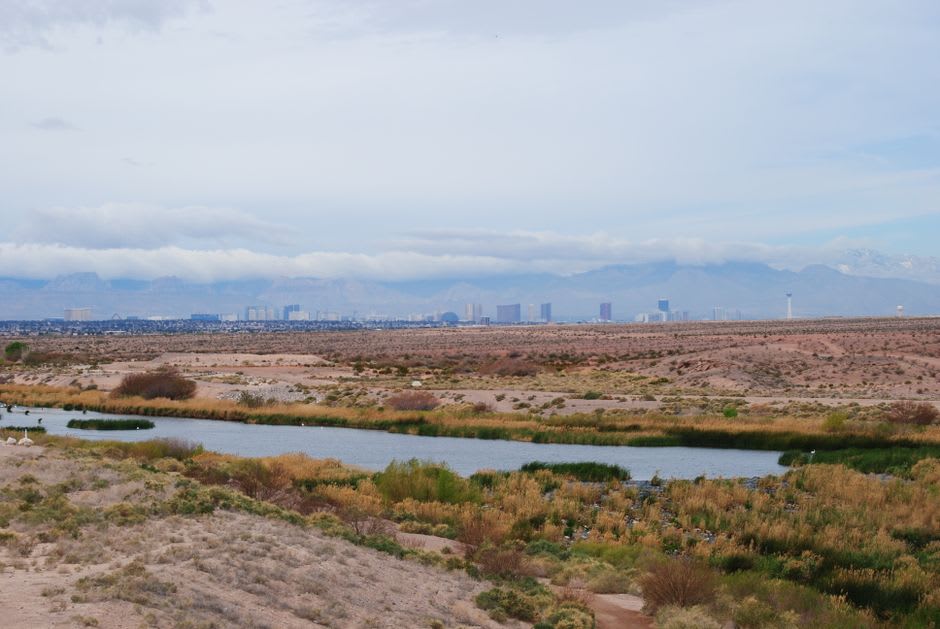
What saved Las Vegas for me, oddly, was leaving it. Twenty minutes west the towers vanish and Red Rock Canyon rises in bands of rust and cream, the Mojave suddenly enormous and silent. We drove the scenic loop at dawn before the heat came, watched a desert bighorn pick its way along a ledge, and stood in air so quiet it rang. That evening we went back for the lights again, and the contrast made both halves better — the wild and the wholly artificial, thirty minutes apart, each insisting on itself.
Getting There
Harry Reid International Airport sits practically on the Strip, one of the few big American airports you can reach your hotel from in fifteen minutes. Flights arrive from everywhere, often cheaply, and the desert cities of the Southwest — Zion, the Grand Canyon, Death Valley — all lie within a few hours’ drive, which makes Vegas a natural base for a wider loop. We rented a car precisely so we could escape into that country, and I’d urge you to do the same. Come for a couple of nights, sleep little, and give the place at least one afternoon outside its own reflection. It is far stranger and far better than its reputation.