Julian
"We came for a slice of pie and stayed until the woodsmoke got into our coats."
Lia and I almost didn’t stop. We were driving back from the Anza-Borrego desert, sunburnt and quiet, when the road began to climb and the temperature dropped ten degrees in twenty minutes. The chaparral gave way to oaks, then to pines, and suddenly there was a town — a real, small, wooden town — with people carrying pie boxes down the sidewalk like it was the most normal thing in the world. We parked. We did not leave for hours.
The pie is not a gimmick
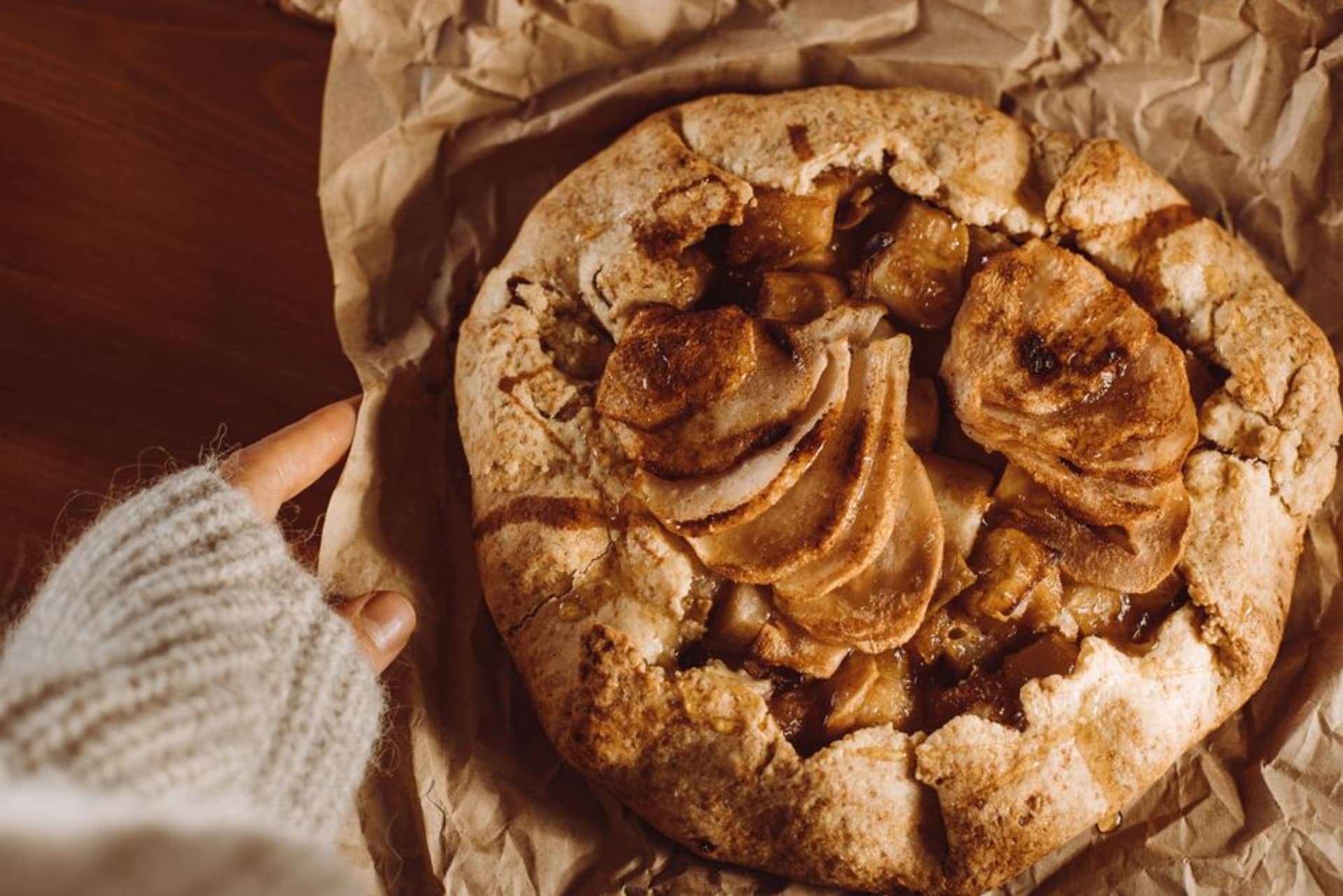
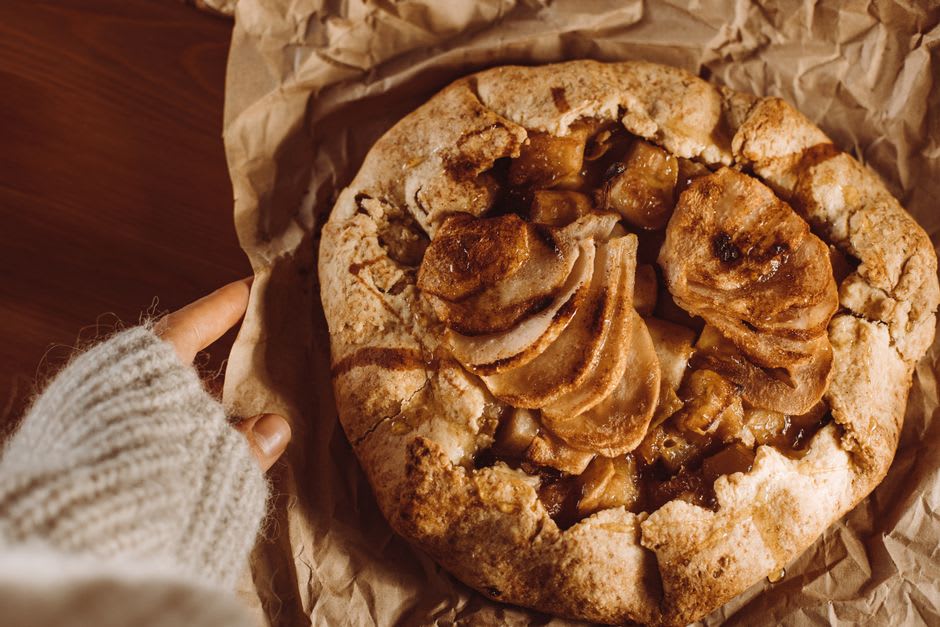
I say this as a Frenchman who is professionally skeptical of American dessert. The apple pie in Julian earned my respect. We ordered a slice at a counter where the woman behind it had clearly cut ten thousand of them, and it came warm, the crust actually flaking, the apples tart enough to argue with the sugar. Lia had hers with a slab of sharp cheddar melted on top, a local heresy she now defends to anyone who’ll listen. We ate on a bench in the cold sun and watched the town go by, and I understood that the pie is not a tourist trick — it’s the reason the town remembers itself.
Gold under the apples
Before the orchards there was gold. In the 1870s men tore into these hills chasing quartz veins, and the Eagle Mining Company still runs tours down a hand-dug shaft on the edge of town. We went down into it — cool, damp, close — while an old miner-type explained hard-rock drilling with the patience of someone who genuinely loves his subject. Above ground, Main Street keeps its false-front buildings and boardwalks, and the little pioneer cemetery on the hill holds the people who came for the gold and stayed for the orchards. It’s a town built twice, and it lets you see both layers.
Fall, and the color no one expects in California
We came back in October, which is when Julian shows off. People forget that California has autumn — you just have to go up. The oaks and the orchard rows turn gold and rust, the apple harvest is on, and the town swells with cider presses and hand-lettered signs. We walked out to Volcan Mountain in the cold morning, boots wet with dew, the whole valley soft with haze below us. On the way down we bought a jar of raw honey from a man’s front porch, paid into a coffee can on the honor system. That’s the register I love Julian in — unhurried, a little handmade, entirely itself.
Getting There
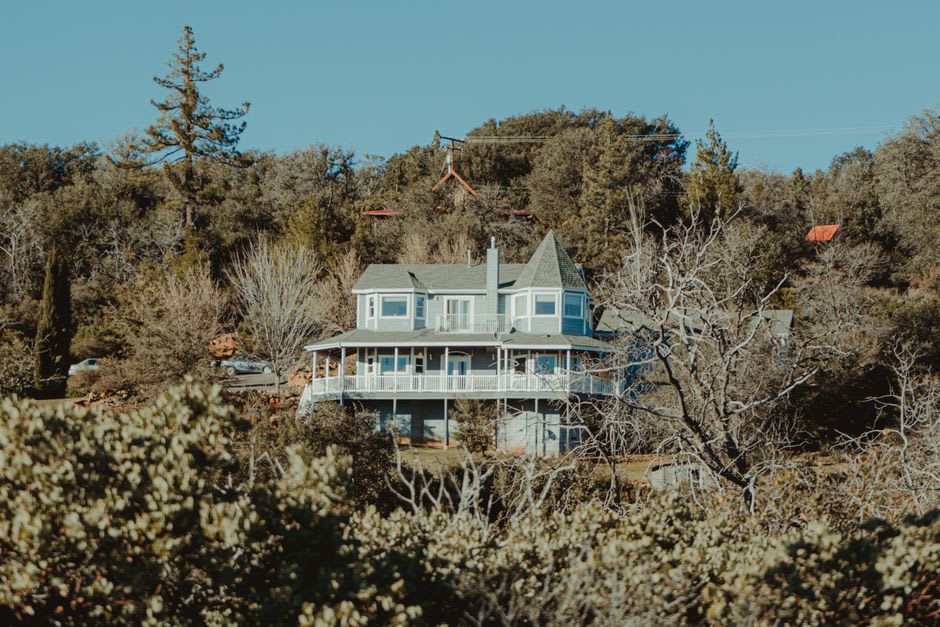
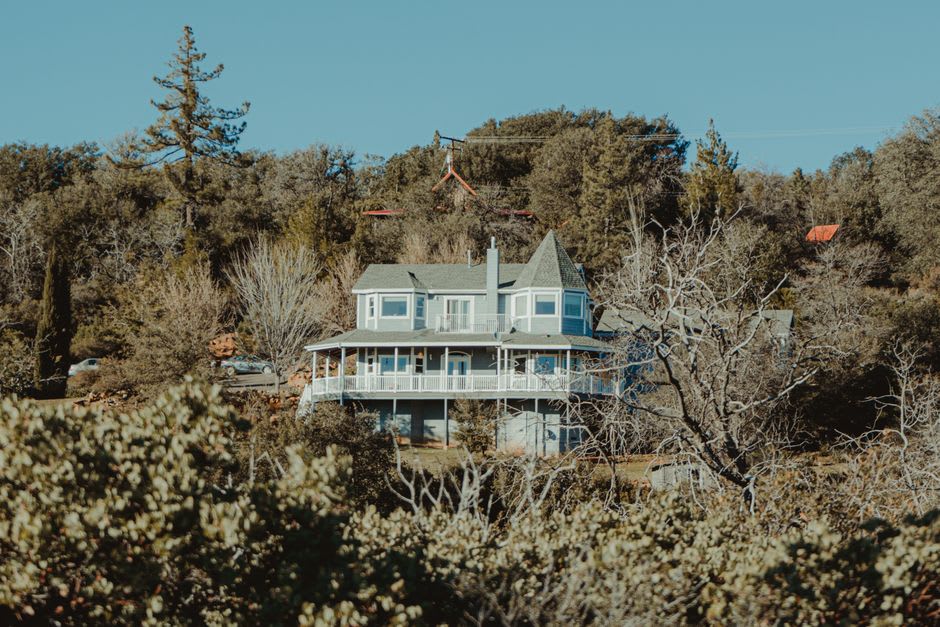
Julian sits about 60 miles northeast of San Diego, a drive of roughly an hour and a half up Highway 78 or the 79 through the Cuyamaca mountains — both routes are beautiful, and we’d take one up and the other down. There’s no train and no airport; this is a car town, and the parking on Main Street fills fast on autumn weekends, so arrive early or walk in from a side street. Bring a warm layer even in summer: at 4,200 feet the evenings turn cold quickly, and half the pleasure of Julian is being cold enough to want the pie.