Hot Springs
"I cupped my hands under a public fountain and the water came out hot enough to make tea — straight from the mountain, four thousand years old."
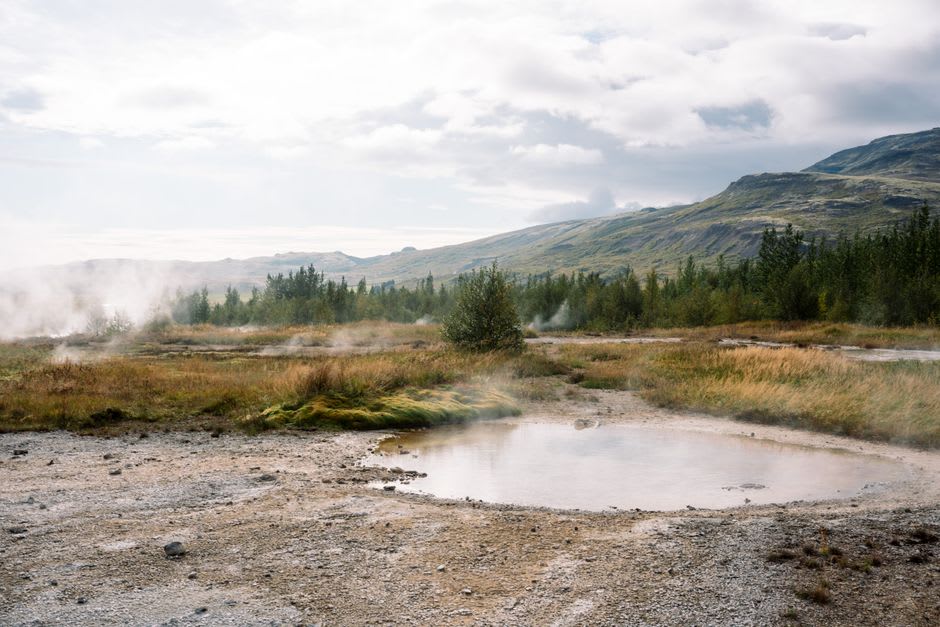
The thing that hooked me on Hot Springs was a small brass fountain on the sidewalk where an old man was calmly filling a row of plastic jugs with steaming water. I put my hand under it and pulled it back — this was not warm, it was hot, 143 degrees straight out of the ground, and the man told me it had fallen as rain four thousand years ago before percolating deep into the earth and rising back up here. People come from across the state to bottle it for free. Lia and I filled a bottle too, let it cool, and drank the softest, cleanest water I have ever tasted, and just like that a town I had never heard of had our full attention.
Bathhouse Row
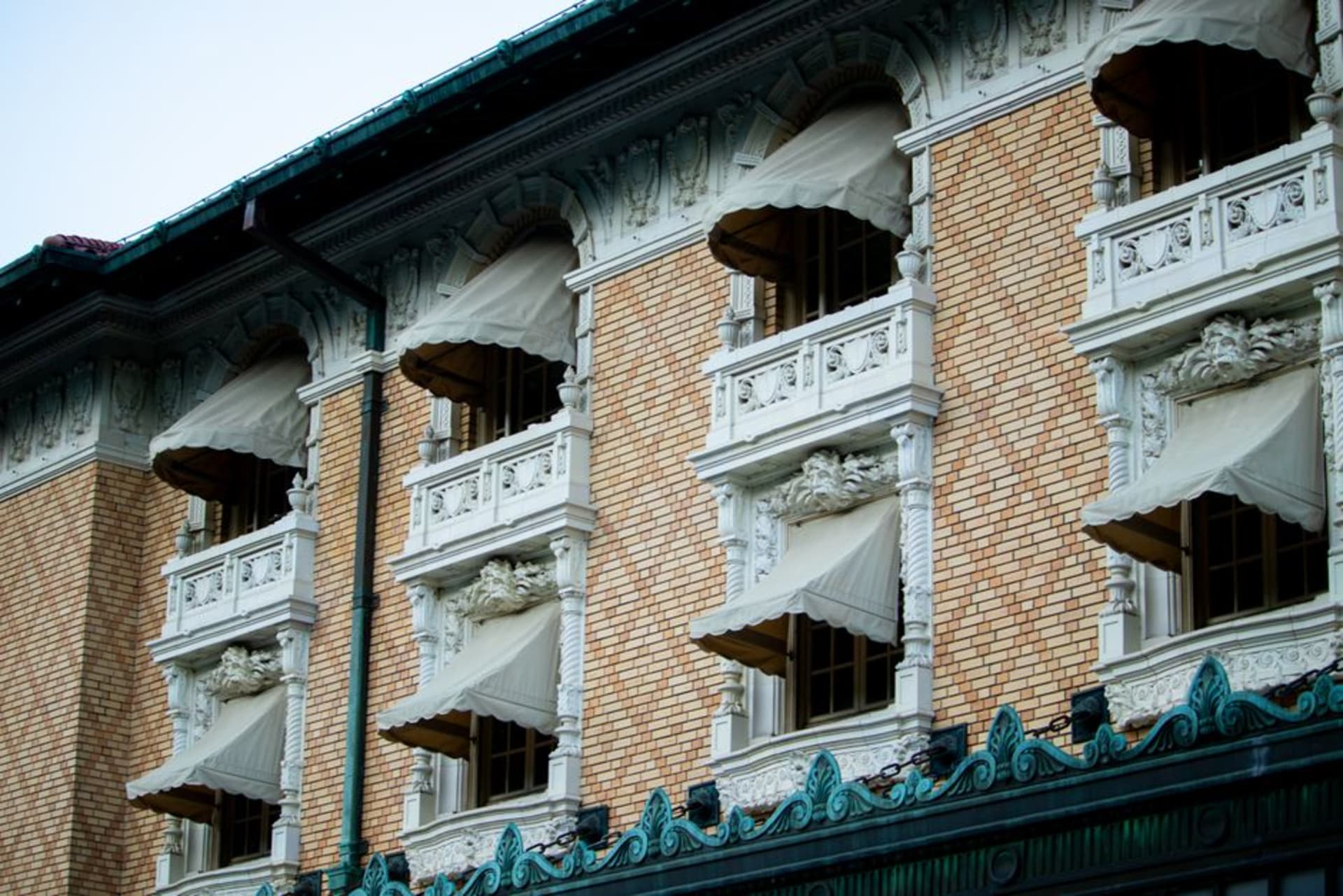
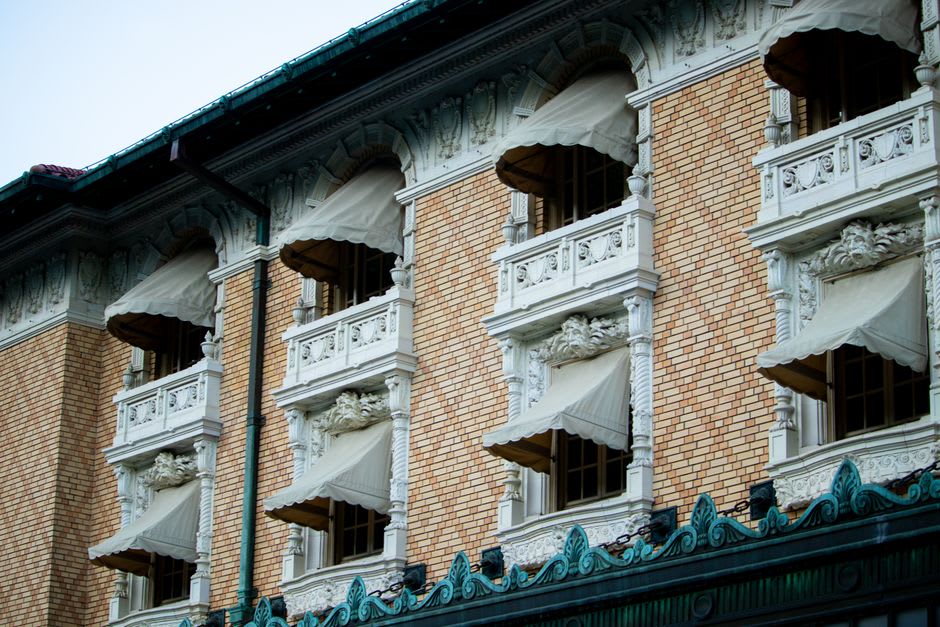
The heart of it all is Bathhouse Row, a stately line of eight early-twentieth-century bathhouses set beneath the wooded slope of Hot Springs Mountain, and it is the reason this became a national park — the oldest federally protected land in the country, older than Yellowstone, set aside back in 1832 to safeguard the springs. In their heyday these were palaces of marble, stained glass, and brass, where the ailing and the fashionable came to “take the waters.” Today the Fordyce is a gorgeous free museum you can wander through, all tiled bathing halls and gleaming Gilded-Age plumbing, while the Buckstaff and the Quapaw still run as working bathhouses. We soaked at the Quapaw under its tiled dome, moving between pools of thermal water, and emerged loose-limbed and faintly ridiculous with contentment.
The Mountain Above the Town
It is easy to forget a whole forest wraps around the spa, but a national park it genuinely is, and the wooded ridges above Bathhouse Row are threaded with quiet trails. We climbed the Grand Promenade, a shaded brick walkway behind the bathhouses where you can see the hot springs themselves steaming out of the hillside, then drove up to the Hot Springs Mountain Tower and rode the elevator to a view over the whole Ouachita landscape — rumpled green hills rolling off in every direction. The Sunset Trail runs for miles through oak and pine, and we had it almost to ourselves, the town’s genteel bustle giving way within minutes to birdsong and dappled Ozark light.
Gangsters, Bathhouses, and a Good Cheap Beer
Hot Springs has a wonderfully raffish past, and it wears it well. In the 1920s and 30s this was an open town where Al Capone and other gangsters came to gamble and convalesce, the bathhouses and casinos operating in cheerful defiance of the law, and the Gangster Museum on Central Avenue tells the whole colorful story. We ended our days across the street at the Superior Bathhouse, which now brews its beer with the thermal spring water — the only brewery in a national park, and the only one on earth brewing with 4,000-year-old water. We toasted the strangeness of it, tired and clean and happy, watching the steam curl up off the mountain behind the row.
Getting There
Hot Springs sits in central Arkansas about an hour southwest of Little Rock, which has the nearest airport; the drive in through the Ouachita hills is pretty in any season. The national park and Bathhouse Row are woven right into the middle of town, so you can walk from a soak to dinner in minutes. Spring and autumn are loveliest, with mild air and, in fall, good color on the surrounding ridges; the bathhouses and thermal water, of course, are perfect on a cold day. Reserve a soak at the Buckstaff or Quapaw ahead in busy months, and bring an empty bottle for the fountains.