El Paso
"From the mountain at night, you cannot tell where one country ends and the other begins."
The first thing that undid me in El Paso was the light at night, seen from the Scenic Drive halfway up the Franklin Mountains. Two cities poured out below us in a single unbroken sheet of gold, and only a thin dark seam, the river, marked where the United States became Mexico. Lia and I stood at the overlook not saying much. I have lived in Mexico long enough to feel the border as an abstraction most days, a thing on documents. Here it was suddenly geography, and also the plain fact that a family on that side and a family on this side were probably eating the same dinner.
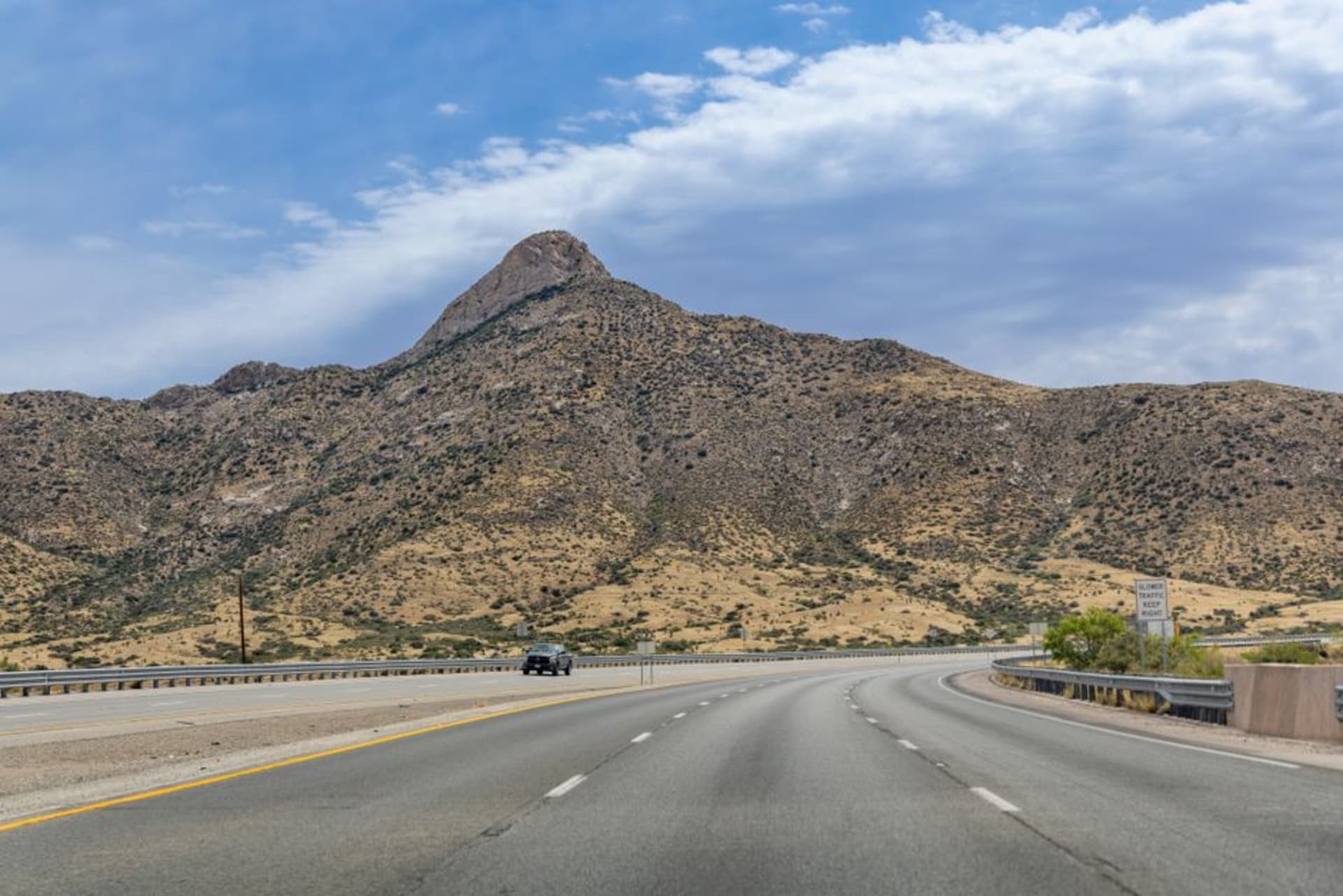
The mountain in the middle of the city
Franklin Mountains State Park is the rare thing, a genuine desert wilderness sitting inside city limits, all raw rock and ocotillo and the kind of silence that makes your ears ring. We hiked a stretch toward the Tin Mines one morning before the heat turned serious, passing agave taller than me and lizards that held perfectly still hoping we were blind. From the ridgeline the city fell away on both sides, El Paso to the east, Juárez to the south, the pass itself, the paso, cutting between the ranges exactly as it has funneled travelers for four centuries.
The old missions and the food
South of downtown runs the Mission Trail, where three centuries-old Spanish missions still hold services, their adobe walls thick and cool against the desert glare. We stepped into Ysleta, the oldest, and the hush inside was total. Afterward we ate the food El Paso is quietly famous for, its own dialect of Tex-Mex leaning hard on green chile and thin crisp gorditas. Lia ordered enchiladas swimming in a red chile that made her eyes water and her whole face light up. I have eaten across Mexico for years and still found things on that table I could not have predicted.
Downtown and the plaza
El Paso’s downtown is unfussy and worn in a way I liked, old brick buildings and a central plaza, San Jacinto, shaded by trees and watched over by a sculpture of alligators, a nod to the live ones that once lived in the fountain here. We drank coffee at a table under the branches while the plaza did its slow midday business around us. There is nothing performed about this place. It is a working city that happens to sit against a mountain in the desert, and its lack of pretension became, over two days, its own kind of charm.
Getting There
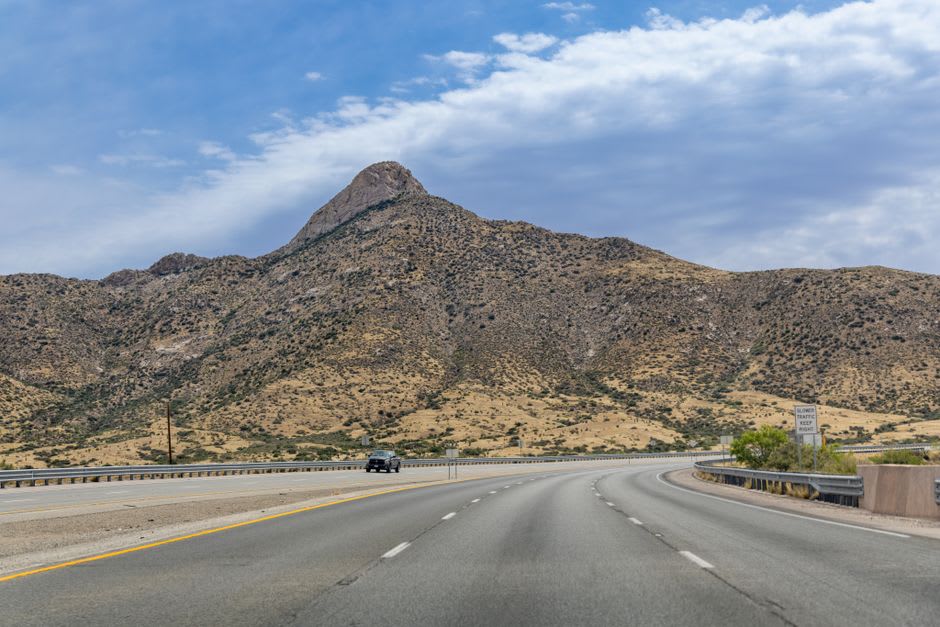
El Paso International Airport sits just east of downtown, a ten-minute drive, and connects through the usual Texas and Southwestern hubs. The city is remote, six hundred-odd miles from any other major Texan city, so flying is the sane choice unless you are crossing the state deliberately along I-10. A car makes everything easier once you land, given how the missions, the mountains, and downtown scatter across a long valley. We spent two full days and left with the mountain-light view still burning behind our eyes.