
The ferry left Key West in the dark, and for two and a half hours Lia and I watched the Gulf turn from black to pewter to something that had no business being that blue. I had been skeptical of the early alarm, the seasickness pills, the whole production of getting here. Then Fort Jefferson rose out of the water ahead of us — a red-brick hexagon the size of a small town, apparently floating, with nothing around it but sea in every direction — and I stopped complaining.
The Fort That Was Never Finished
Fort Jefferson is one of those human undertakings that feels almost mad in its ambition. Sixteen million bricks, hauled here across open ocean in the mid-1800s to guard a shipping channel, and it was never actually completed. We walked the ramparts in the flat morning light, our footsteps echoing under brick archways that curve away into cool shadow. From the top level the whole atoll opens up below you: the parade ground, the old cisterns, the moat wall you can walk all the way around with the sea slapping against one side and the still green water of the harbor on the other. A ranger told us Dr. Samuel Mudd was imprisoned here after the Lincoln assassination, and standing in those thick-walled casemates in the heat, I understood exactly how far from the world this place must have felt in 1865. It still does.
Snorkeling the Moat Wall
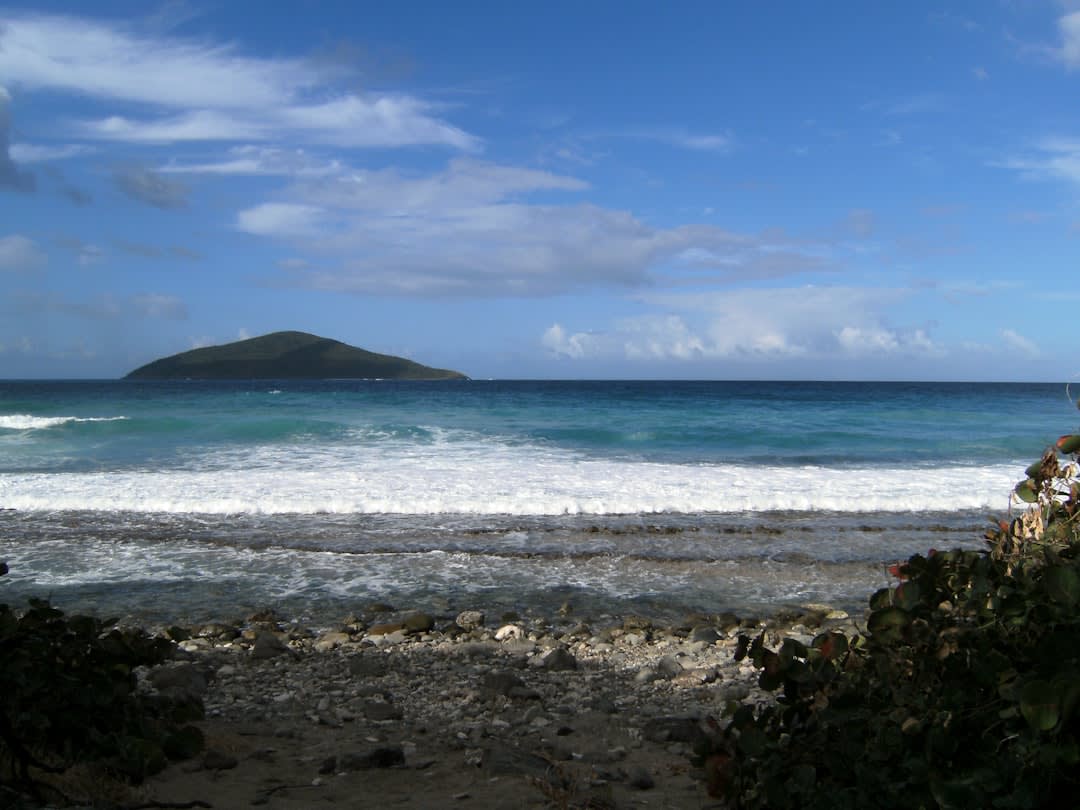
The reef here starts where the sand ends. We waded in off the small beach beside the fort, and within ten strokes the coral heads appeared beneath us — brain coral, sea fans swaying, a barracuda hanging motionless like a suspended blade. Lia gripped my arm and pointed: a sea turtle, unhurried, finning along the base of the old moat wall as if it owned the place, which of course it does. The Tortugas were named for turtles by Ponce de León, and the “dry” was added later to warn sailors there was no fresh water here. We floated for an hour over the coral just off the historic wall, sunburning the backs of our knees, too absorbed to care. I have snorkeled in more famous places. Few have felt this wild and this empty.

Birds, Heat, and the Long Quiet
By midday the heat pressed down hard and most of the day-trippers had retreated into the fort’s shade, so we walked out to the far side of the seawall alone. Frigatebirds hung overhead on impossible wingspans, barely moving, and out on nearby Bush Key — closed to protect nesting sooty terns — the noise of thousands of birds carried across the water in a constant rolling murmur. This is one of the great birding sites in North America, a first landfall for migrants crossing the Gulf, and even to us, indifferent birdwatchers, the sheer density of life felt startling against so much emptiness. Lia sat on the hot brick with her feet over the edge and said she could stay a week. I believed her.
Getting There
There is no casual way to reach Dry Tortugas, and that keeps it honest. The Yankee Freedom ferry runs daily from Key West (reserve weeks ahead in high season) and includes breakfast, lunch, snorkel gear, and a fort tour in the fare. Seaplanes offer a faster, pricier half- or full-day option with an unforgettable approach over the reefs. Camping on Garden Key is possible for the truly committed — you haul in all your own water and food — and rewards you with the fort, the stars, and the entire atoll nearly to yourself once the last boat leaves. Bring more sunscreen than you think you need.