Congaree
"We paddled between trunks older than the country and the whole swamp held its breath — then, at dusk, the fireflies all lit at once."
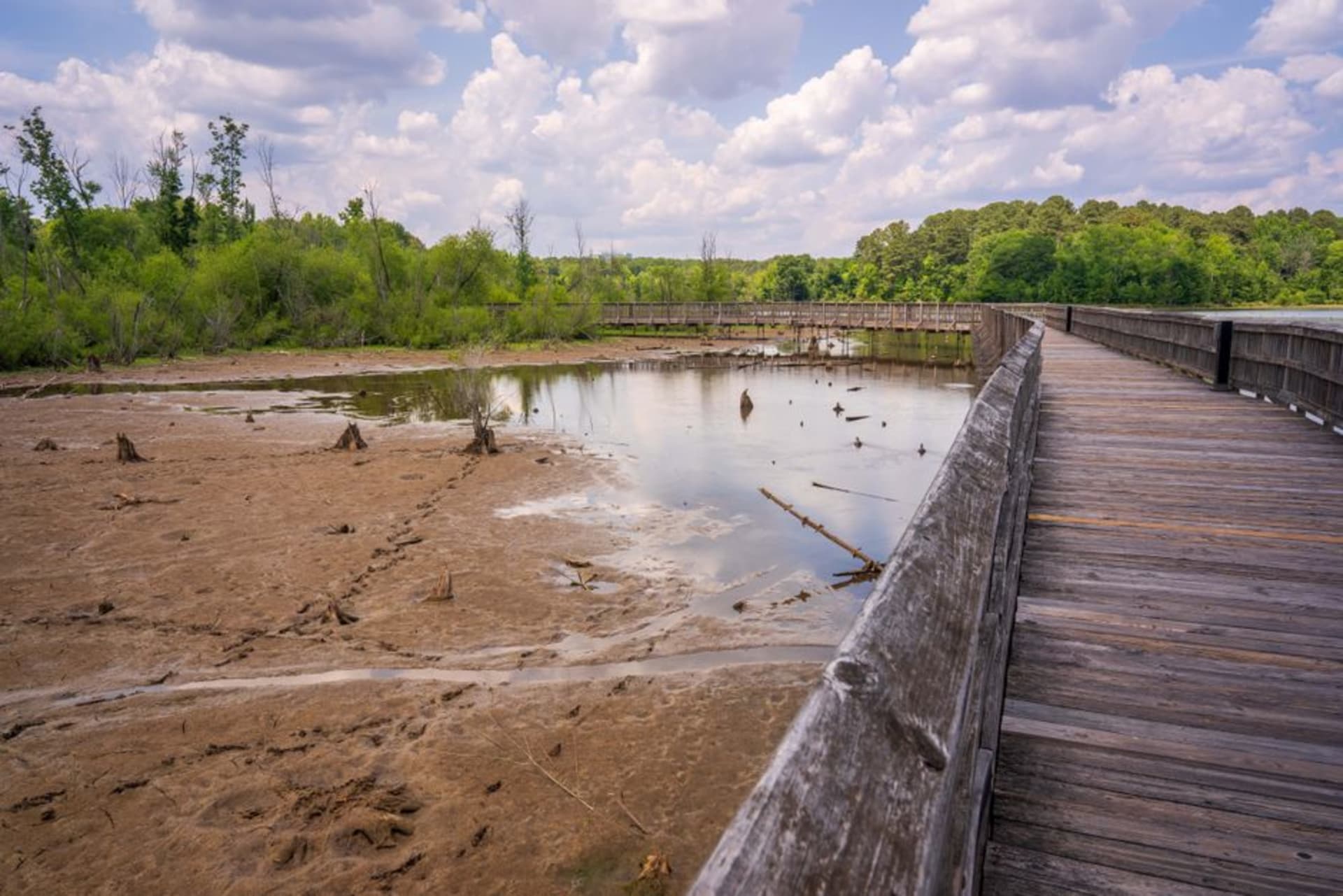
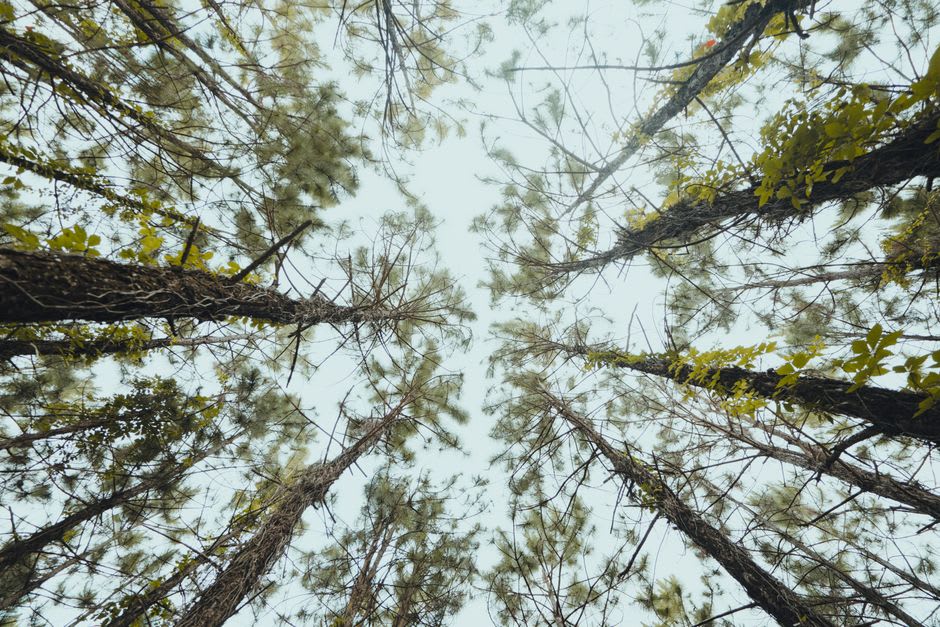
I will admit I did not expect much from a swamp in South Carolina, and Congaree quietly humbled me within the first half mile of boardwalk. This is not a swamp at all, technically — it is a floodplain forest, one of the last significant tracts of old-growth bottomland hardwood left anywhere in the country, and the trees are the point. Bald cypress and loblolly pine and sweetgum here grow to heights that stop you mid-stride, some of the tallest hardwoods in eastern North America, a canopy so high and dense that the light comes down green and underwater. Lia stood with her neck craned back and said it felt less like a forest than a flooded cathedral, and I could not improve on that.
The Boardwalk Through the Big Trees
The elevated boardwalk loop is how most people meet Congaree, and it is a fine introduction that keeps your feet dry over ground that is regularly not. It winds two and a half miles through the heart of the old growth, past bald cypresses buttressed with fluted trunks and ringed by knobby “knees” poking up from the black water, past champion trees tagged as national record-holders for their species. The floodplain floods, by design — the Congaree and Wataree rivers spill over ten times a year on average, and it is that nutrient-rich flooding that grows the giants. When the water is up, the boardwalk becomes a pier over a mirror, trunks doubled in the still dark surface.
Paddling Cedar Creek
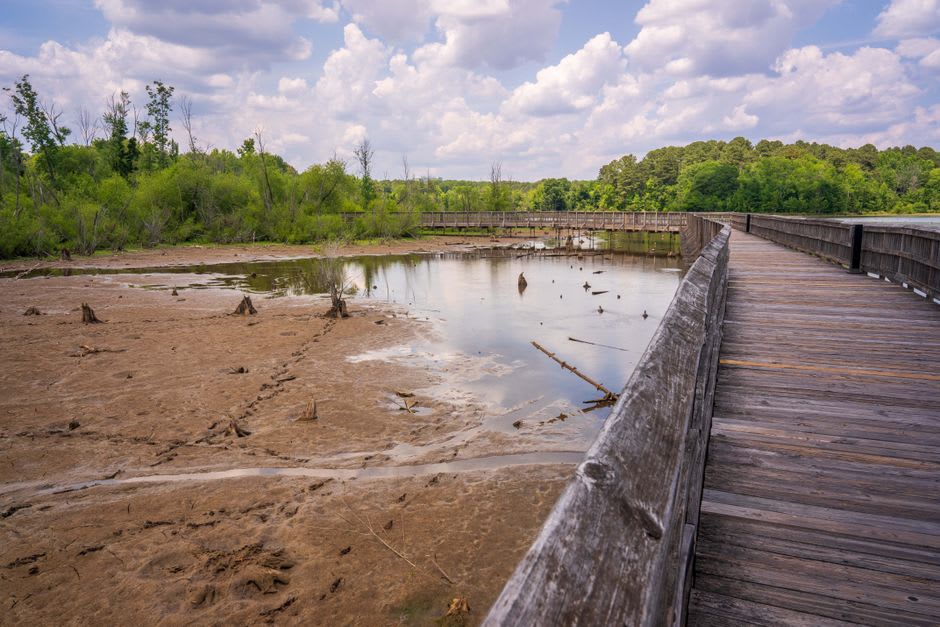
To really feel the place you have to get on the water, and we did, launching a canoe onto Cedar Creek and following its slow tea-dark channel deep into the forest. Paddling here is dreamlike — you thread between trunks, duck under fallen limbs, and the silence is total except for a woodpecker somewhere and the drip off your blade. Barred owls call in the afternoon gloom. We saw a river otter slide off a log, turtles stacked on every sunny snag, and a water snake pouring itself across the surface. The marked canoe trail keeps you from getting lost, which in that repeating maze of trunks is a real risk; more than one paddler has spent an unplanned night out here.
The Synchronous Fireflies
We had timed our visit, half by luck, for late May, and that is when Congaree performs its rarest trick. For a couple of weeks each year the park’s synchronous fireflies emerge — one of only a few places in the world where this happens — and the males blink in unison, whole stretches of forest pulsing on and off together in the dark. We joined the evening crowd, lights off, phones away, and watched the blackness fill with thousands of green sparks flashing as one, then falling dark together, over and over. It is genuinely uncanny, a little bit holy, and worth planning a whole trip around. The park now runs a lottery for those nights, so eager have people become to witness it.
Getting There
Congaree lies about a half hour southeast of Columbia, South Carolina, which has the nearest airport, making it one of the more accessible national parks to reach — you can be walking among thousand-year forest giants twenty minutes off the interstate. Entry is free, and the Harry Hampton Visitor Center is the place to check whether the floodplain is flooded, which changes everything about your visit. Spring and autumn bring the mildest weather and fewest mosquitoes; summer is hot, humid, and buggy, though it also brings the fireflies. Check the firefly-viewing lottery dates months ahead if that is your aim.