Cheyenne
"The rodeo dust hadn't settled when I realized the Old West here isn't a show, it's a habit."
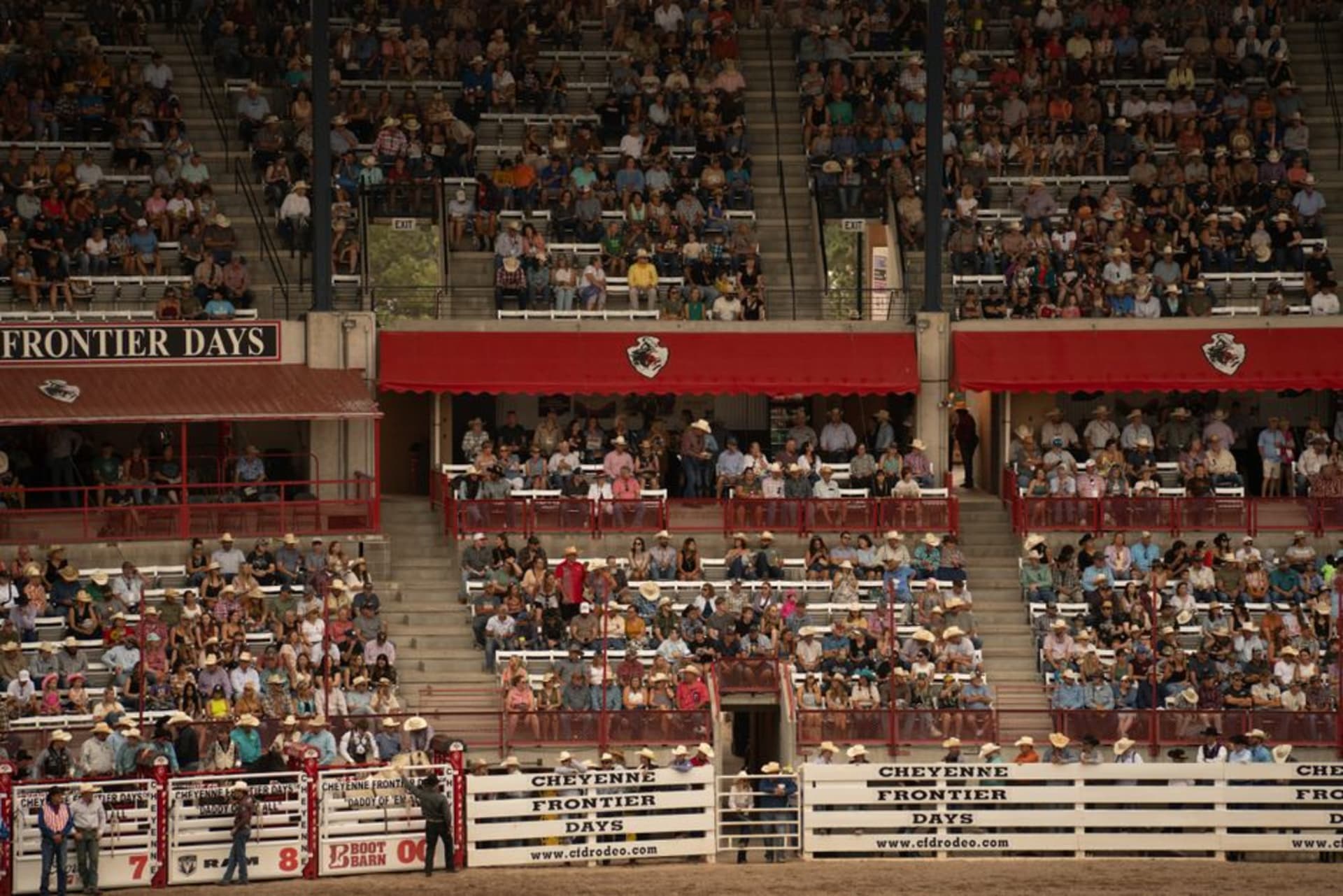
We hit Cheyenne during Frontier Days, which was either the best or worst possible introduction, and I still can’t decide which. The town, usually a quiet railroad capital of sixty-odd thousand, had swollen with cowboy hats and the smell of fried everything. Lia and I got swept along in a crowd toward the rodeo grounds, and somewhere between a bronc rider getting thrown into the dirt and a nine-year-old barrel racer taking a corner at full tilt, I stopped feeling like a tourist and started just cheering. The high-plains sun was merciless. Nobody cared. This is the West doing what it has always done, loudly.
The Daddy of ‘Em All
Cheyenne Frontier Days bills itself as the world’s largest outdoor rodeo, and after a day there I won’t argue. It has run every July since 1897, and the crowd knows the rhythms by heart, the hush before a chute opens, the collective wince, the roar. We watched steer wrestling and bull riding from the stands, sunburnt and hoarse, sharing a paper tray of something indefensible and delicious. What struck me was the seriousness of it. These weren’t actors. The riders were ranch kids and rodeo pros, and the danger was entirely real, which gave every eight-second ride a held-breath gravity I hadn’t expected.
Steam, Steel, and the Railroad
Cheyenne exists because of the Union Pacific, and the town has never forgotten it. We spent a gentler morning at the old depot, a grand sandstone building now a railroad museum, learning how the transcontinental line conjured a city out of empty prairie in 1867. In the rail yards nearby sits Big Boy 4014, one of the largest steam locomotives ever built, a black leviathan of riveted iron that made Lia go quiet with something like reverence. She grew up near old railway sheds in France and has a soft spot for these machines. We walked the length of it twice. The scale is genuinely staggering, a reminder of the raw ambition that built the American West.
The Capitol and the Painted Boots
Away from the rodeo roar, downtown Cheyenne is a pleasant, low-slung grid worth an afternoon’s amble. The Wyoming State Capitol anchors it, its gold-leaf dome gleaming above streets lined with those oversized painted cowboy boots, each decorated by a local artist. We made a game of finding our favorites, Lia partial to one covered in wildflowers, me to a garish one splashed with bucking horses. We ended up in a corner café where the coffee was strong and the woman behind the counter, hearing my accent, wanted to know exactly what a Frenchman made of Wyoming. Honestly? More than I’d bargained for.
Getting There
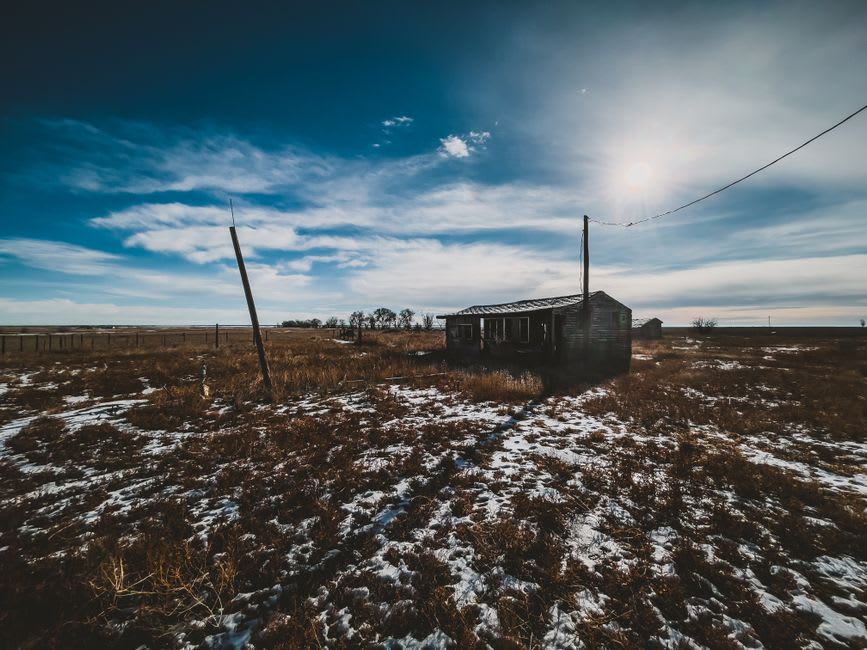
Cheyenne sits at the crossroads of Interstate 25 and Interstate 80 in Wyoming’s southeast corner, an easy hundred-mile run north from Denver, which is how most visitors arrive, flying into Denver International and driving up in under two hours. The city has a small regional airport too, but connections are limited. If you’re aiming for Frontier Days in late July, book lodging months ahead, because the town fills to bursting and prices climb with it. Downtown and the depot are walkable, but you’ll want a car to reach the rodeo grounds and to carry on into the wider high plains beyond.