Block Island
"The ferry pulled away and, with it, some weight I hadn't known I was carrying."
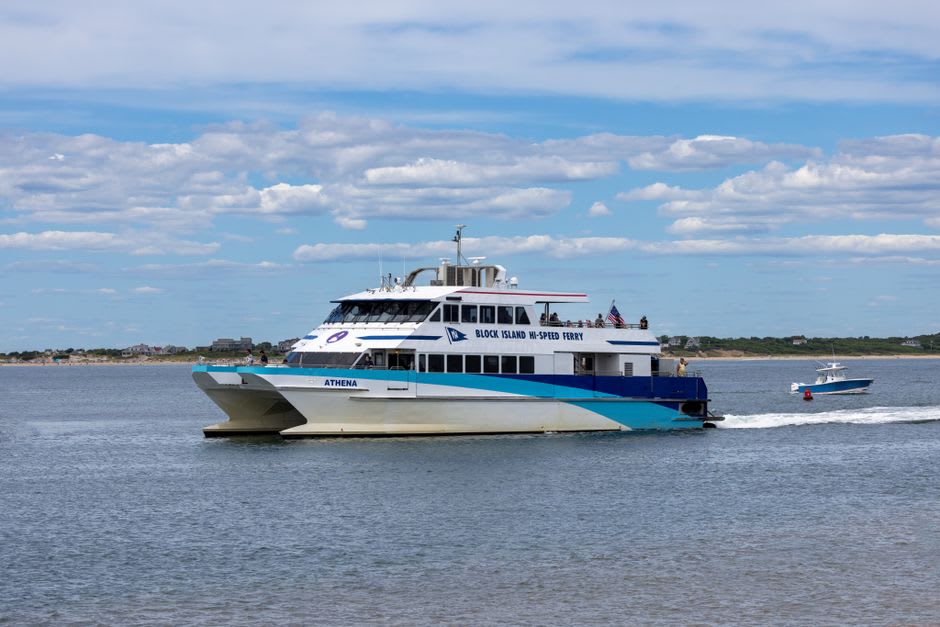
We almost missed the boat. Lia had wanted one more coffee in the terminal at Point Judith, and we jogged down the ramp as the crew was untying lines, breathless and laughing, and found a spot on the open upper deck. For an hour the mainland shrank behind us and Block Island grew ahead, low and green, its Old Harbor a cluster of Victorian hotels with wraparound porches. The wind took Lia’s hat almost immediately; a stranger caught it and handed it back without a word. That was the whole tone of the day, set right there. On the island, we rented bicycles at the harbor and simply rode, no plan, into the moors.
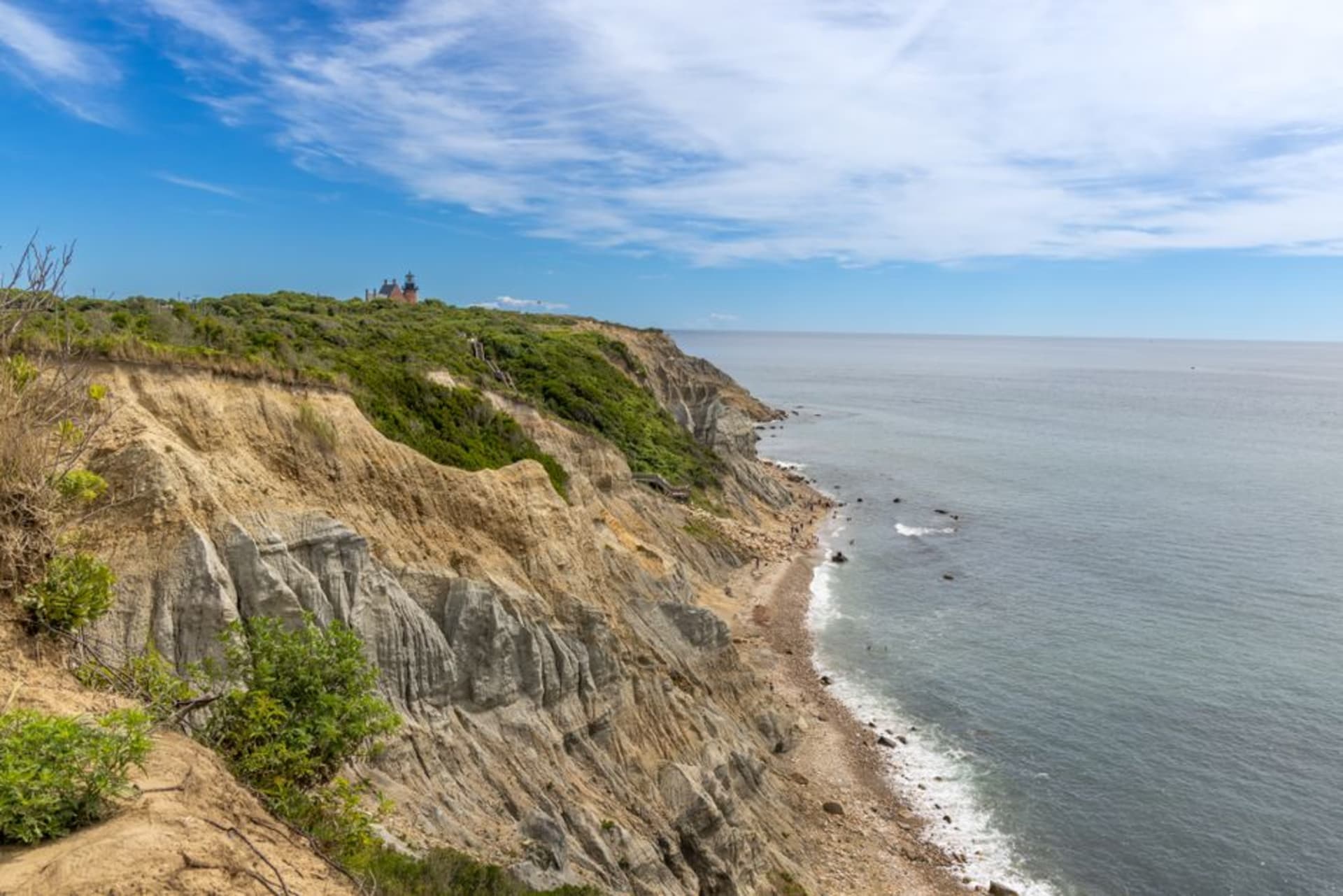
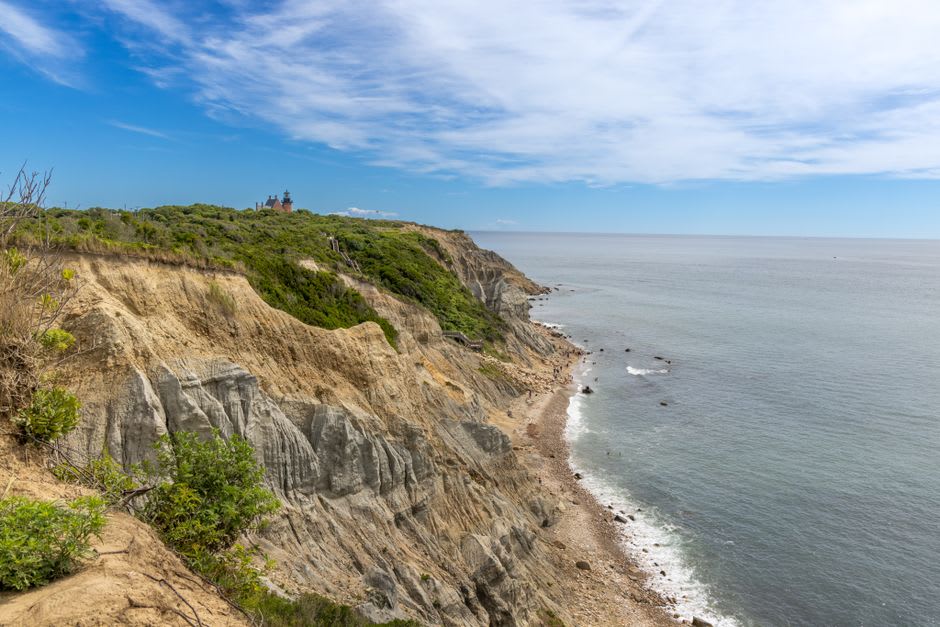
Mohegan Bluffs
The bluffs are the island’s great drama, high walls of grey and ochre clay that plunge nearly two hundred feet to a rocky beach. We left the bikes at the top and climbed down the long wooden staircase, more than a hundred steps, Lia counting them aloud until she lost track. At the bottom the beach was almost empty, strewn with smooth stones, the cliff rising sheer and crumbling behind us. We sat with our backs to the warm clay and watched the surf, and I understood why the light here has drawn painters. Above, the Southeast Light stands near the edge, a red-brick tower that was famously moved back from the eroding cliff decades ago. Standing on that beach, you can see exactly why they had to.
The Moors and the North Light
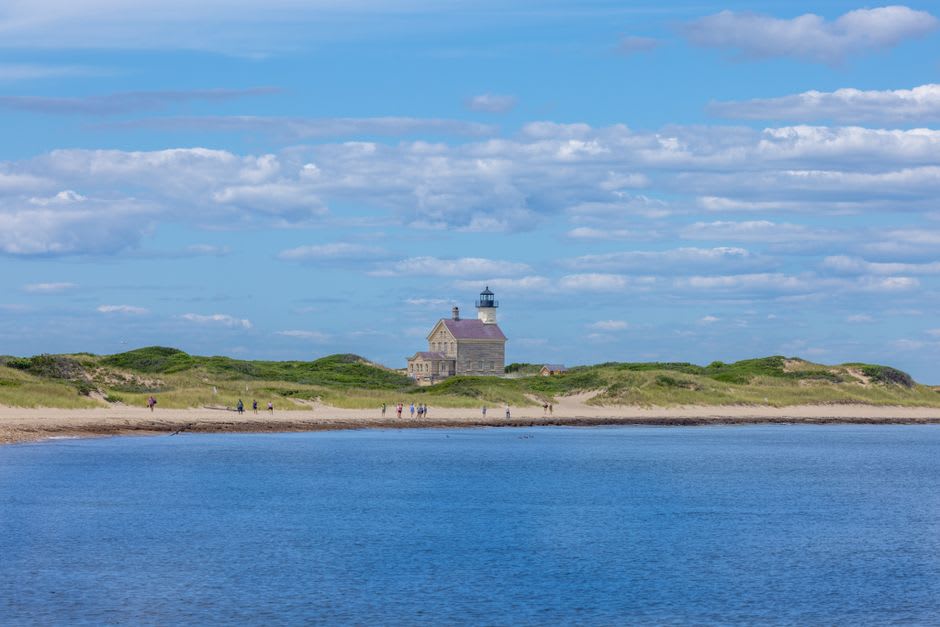
Most of Block Island is open country, moors laced with old stone walls and dirt lanes, and a good third of it is preserved as conservation land. We rode north through it, past ponds and thickets loud with birds, the island being a famous stopover for migrating songbirds. At the very northern tip, a long spit of sand runs out to the North Light, a granite lighthouse standing alone amid dunes and beach grass. We walked the last stretch on foot, the sand soft and hard going, gulls wheeling overhead, the sea on both sides. It felt like the edge of the world. Lia found a whole sand dollar and carried it the rest of the day like a small trophy.
Old Harbor and the Beaches
Back in Old Harbor, we returned the bikes and wandered the little grid of streets, the grand old hotels, an ice cream line spilling onto the sidewalk, a shop selling nothing but kites. The beaches here are the easy kind, Crescent Beach curving away north of the harbor, soft sand and gentle water. We swam in the late afternoon, the water bracing but bearable, and afterward ate fried clams from a paper boat on the sea wall. The last ferry loomed in everyone’s mind, that particular island math of deciding when to leave paradise. We took the second-to-last, salt-stiff and sun-tired, and watched the lights of the harbor sink behind us.
Getting There
Block Island lies about thirteen miles off the Rhode Island coast, reached by ferry from Point Judith in Narragansett, the traditional car-and-passenger route taking roughly an hour, with a faster passenger-only boat in summer. Seasonal ferries also run from Newport and from New London, Connecticut, and a small airport takes short flights from Westerly. Leave your car on the mainland if you can; the island is small and best explored by bicycle, moped or on foot. Book the ferry ahead on summer weekends, and always mind the schedule of that last boat home.