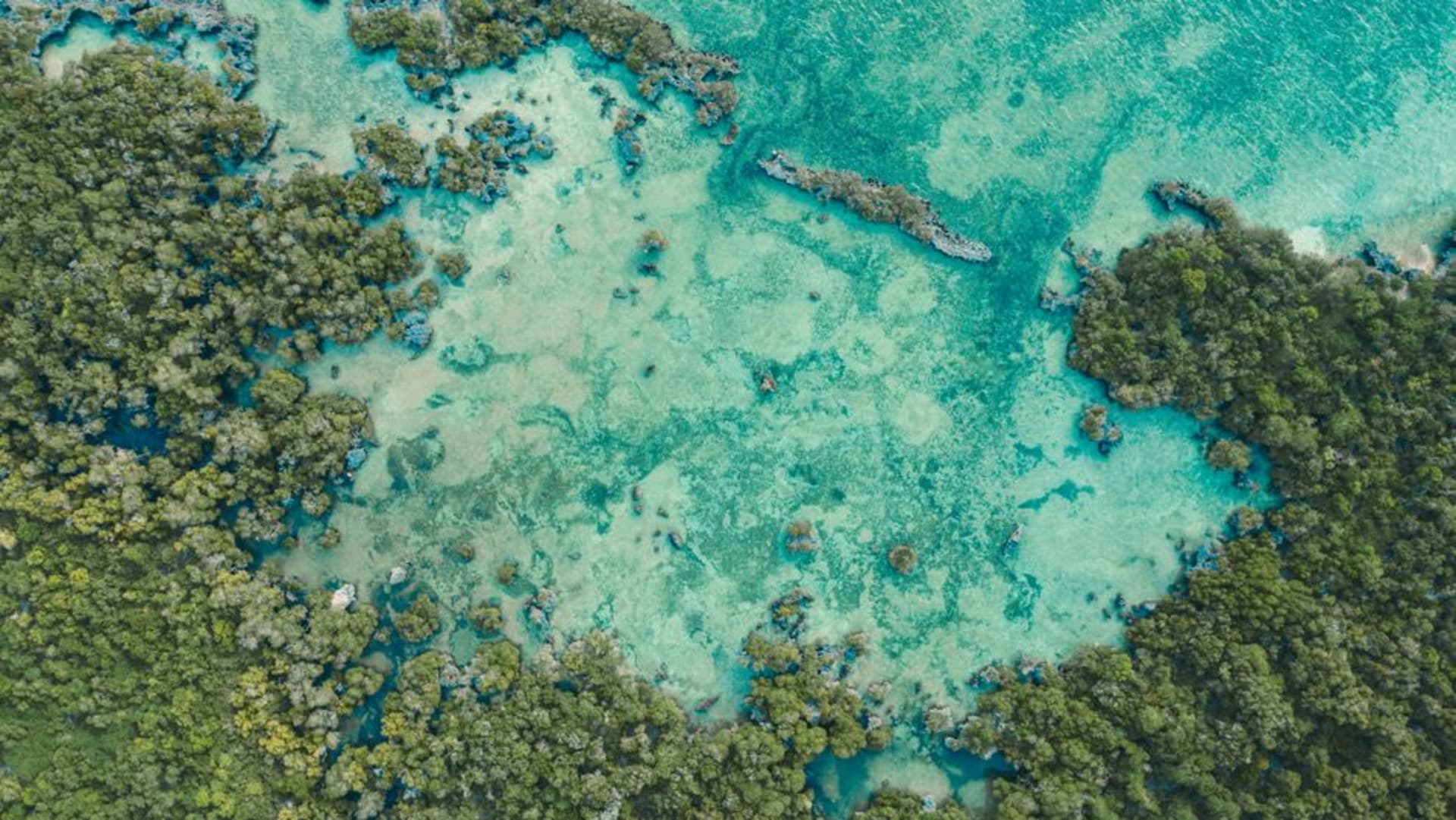
Biscayne
"Ninety-five percent of the park is water, so we stopped fighting it and swam."
We arrived at the visitor centre expecting a trail and found, instead, a horizon. Biscayne is a strange and wonderful thing — a national park where almost everything worth seeing lies beneath the surface, so the “sights” from shore amount to a fringe of mangroves, a wide shining bay, and the far-off smudge of the Miami skyline behind us. Lia read the panel twice. “So the park is the water,” she said, and a ranger passing with an armful of snorkels grinned and said, “Now you get it.” We booked a boat for the next morning and spent the afternoon watching pelicans crash-dive into the shallows off Convoy Point.
The Reef
The boat carried us out to the northernmost living coral reefs in the United States, part of the great arc that runs down through the Florida Keys. We rolled backward off the side into water so warm and clear it barely registered as water at all. Below us the reef unfolded — brain corals like grey boulders, purple sea fans nodding in the current, a parrotfish grinding at the rock with an audible crunch. Lia found a barracuda hanging motionless in the blue and pointed with a slow, deliberate arm so as not to spook it. We floated for an hour, and I kept losing track of which way was the boat because everything below was so absorbing. Some of the coral was bleached pale, and the guide spoke about that quietly on the ride back.
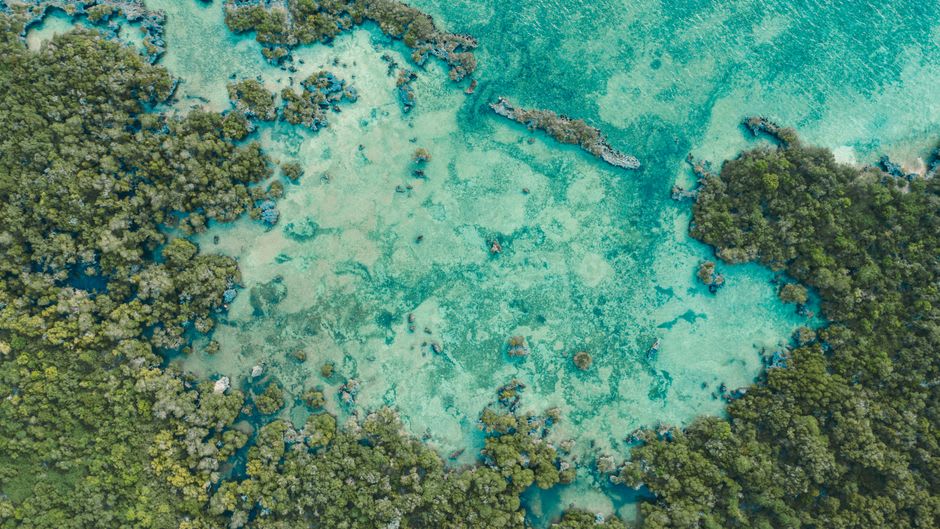
Boca Chita Key
We motored to Boca Chita Key, a tiny island once owned by an industrialist who built an ornamental lighthouse there for no better reason than that he wanted one. It doesn’t work and never really did, but you can climb it, and from the top the whole park arranges itself — the bay stippled with light, the low green keys, the impossible line of Miami’s towers far to the north. Lia and I sat on the seawall eating mangoes we’d brought, watching a family tie up their little boat, and the wind carried the smell of salt and warm limestone. There is a graveyard-quiet charm to these keys, half wild and half haunted by the money that once played here.
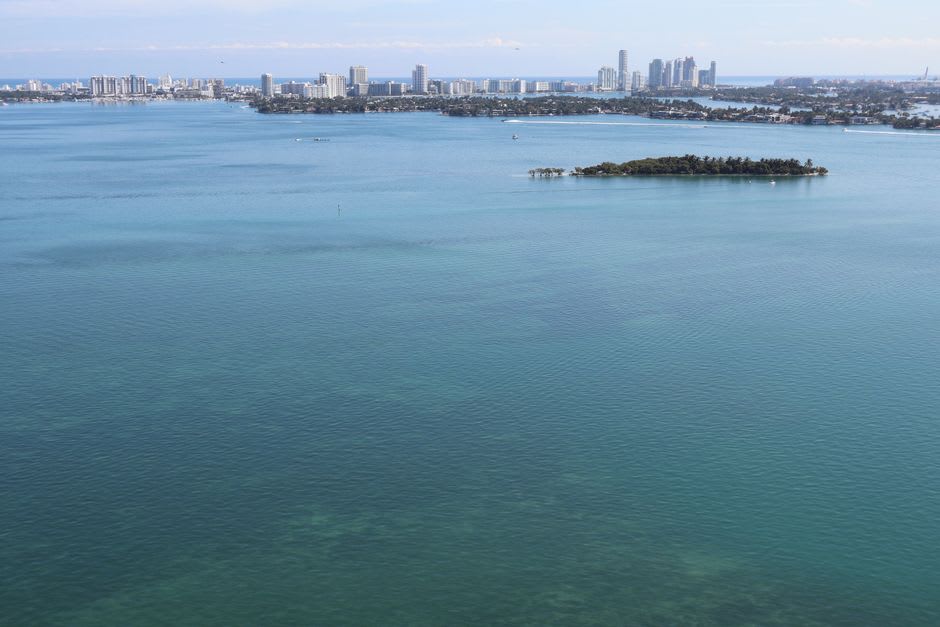
The Mangroves
On the way back the captain cut the engine and let us drift the edge of the mangroves, where the land isn’t quite land — a tangle of arching roots standing in the shallows, holding the shoreline together. This is the nursery of the whole system, he told us, where baby fish and lobsters hide until they’re big enough for the reef. A wading heron stalked the root-shadows on impossible legs. Lia trailed her fingers in the water and a tiny fish investigated them. It’s easy to overlook a mangrove in favour of a coral, but sitting in that green quiet, with the roots ticking and the light coming through in coins, I thought it might be my favourite part of the day.
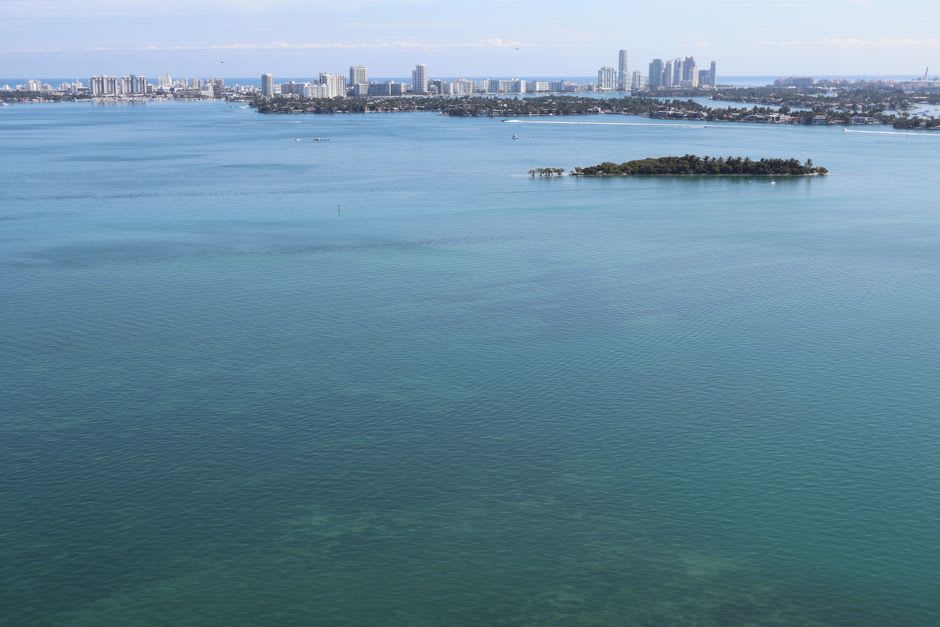
Getting There
The mainland gateway is Convoy Point, home to the Dante Fascell Visitor Center, only about an hour’s drive south of Miami and a short hop from Homestead. From there everything interesting requires a boat. The park’s concessioner runs snorkel, dive, and island cruises, and reservations are essential — trips are weather-dependent and fill up, especially in winter high season. If you have your own kayak or paddleboard you can explore the mangrove shoreline near the visitor centre for free. Bring reef-safe sunscreen, more water than you think, and a willingness to get wet. On land there is almost nothing to see; that is the whole beautiful point.