Birmingham
"A city that carries its hardest history in the open, where anyone can see it."
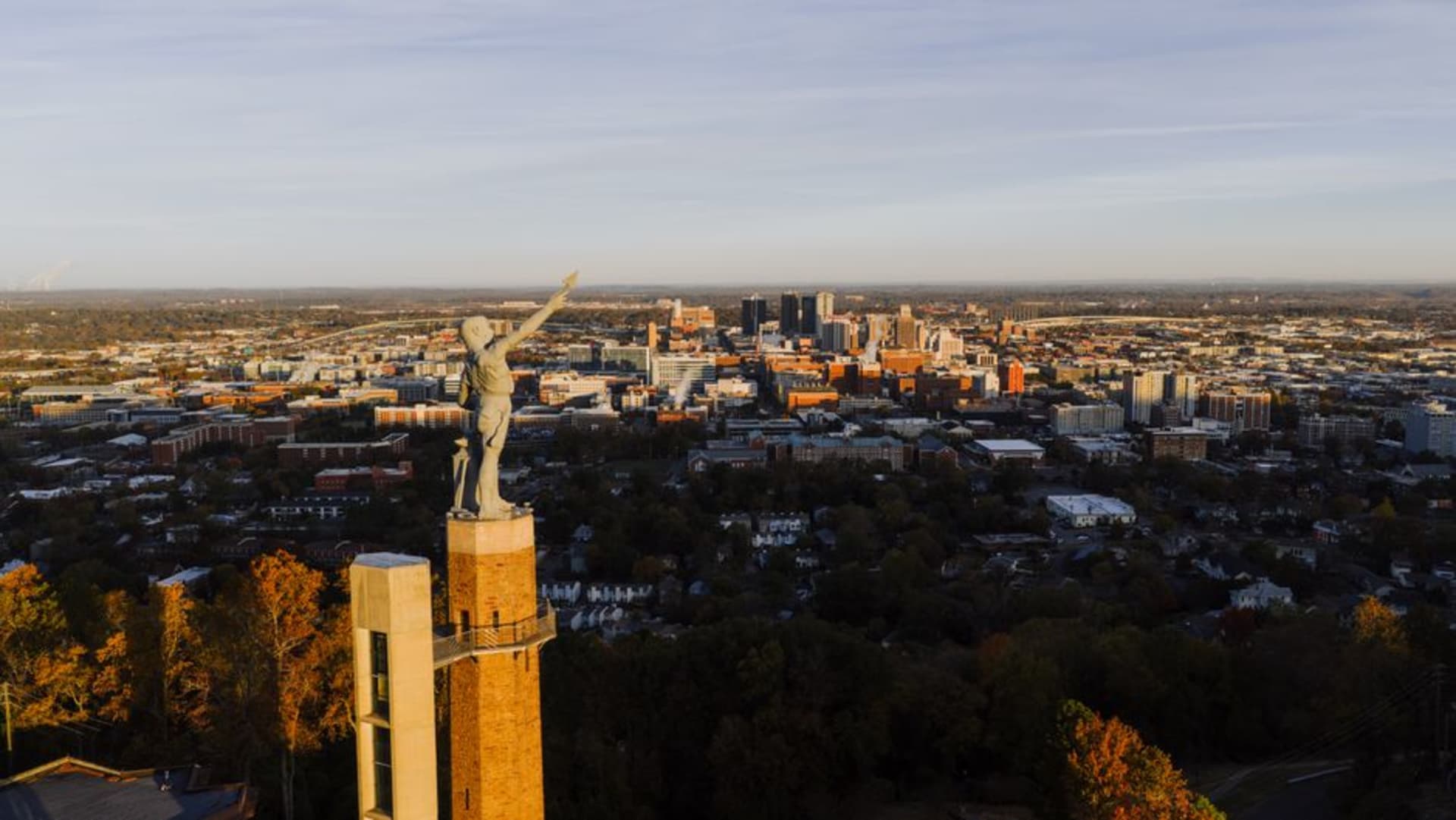
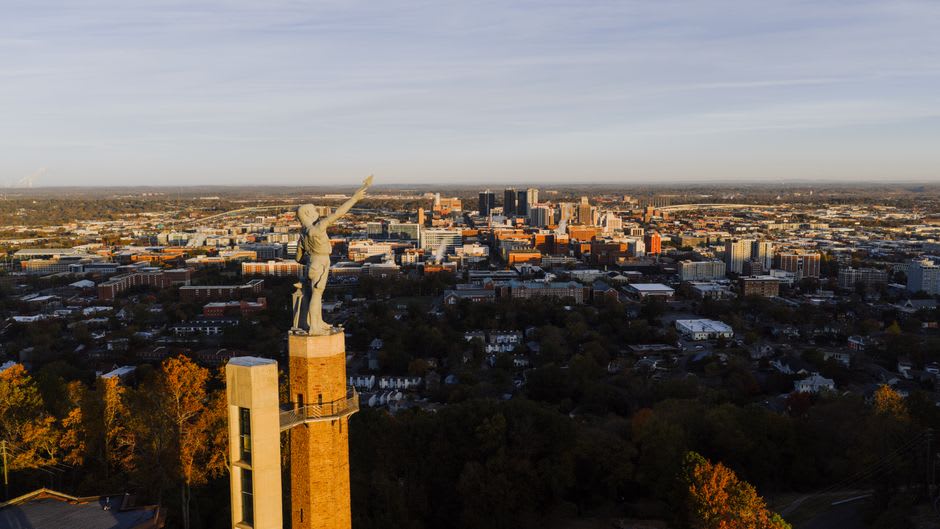
We drove into Birmingham as the sun was going down, and the first thing we saw was Vulcan — the largest cast-iron statue in the world, a half-naked god of the forge holding up a spear on Red Mountain, lit gold against the dusk. Lia asked what he was doing up there, and the honest answer is that this city was built on iron and steel, on the ore and coal and limestone that happened to sit together in these hills, and Vulcan is Birmingham telling you so. We climbed his tower the next morning and looked down over a valley that once glowed with furnaces.
The Civil Rights District
Nothing prepared me for standing in the Sixteenth Street Baptist Church. This is where four girls were killed by a bomb in 1963, and the church still holds services, still welcomes visitors, still forgives more than I think I could. Across the street, Kelly Ingram Park holds sculptures of the fire hoses and dogs turned on children, and you walk among them at your own pace. The Birmingham Civil Rights Institute next door took us most of an afternoon. Lia and I barely spoke inside it. We came out onto the sunlit street and simply held hands for a while.
Sloss Furnaces and the Iron Bones
If Vulcan is the city’s god, Sloss Furnaces is its cathedral. These blast furnaces ran for nearly ninety years and now stand as a museum — rusting towers, pipes like the ribs of some enormous animal, silent where once there was unbearable heat and noise. We wandered the catwalks with a handful of other people, and a volunteer who’d worked there as a young man told us what it was like to pour molten iron in the Alabama summer. His voice cracked telling it. Industry here was never abstract; it was men’s whole lives.
Suppers and the Slow South
For all its heavy history, Birmingham eats beautifully. We queued at a place in the Avondale neighborhood for hot chicken that made my eyes water and my heart glad, and the next night ate a proper Southern supper — collards, cornbread, catfish — in a room where strangers wished us a good evening on the way to their tables. There is a gentleness to this city that sits strangely and wonderfully alongside its scars. On our last morning we drank coffee at Pepper Place, the old market district, and watched a farmers’ market set up under the summer light.
Getting There
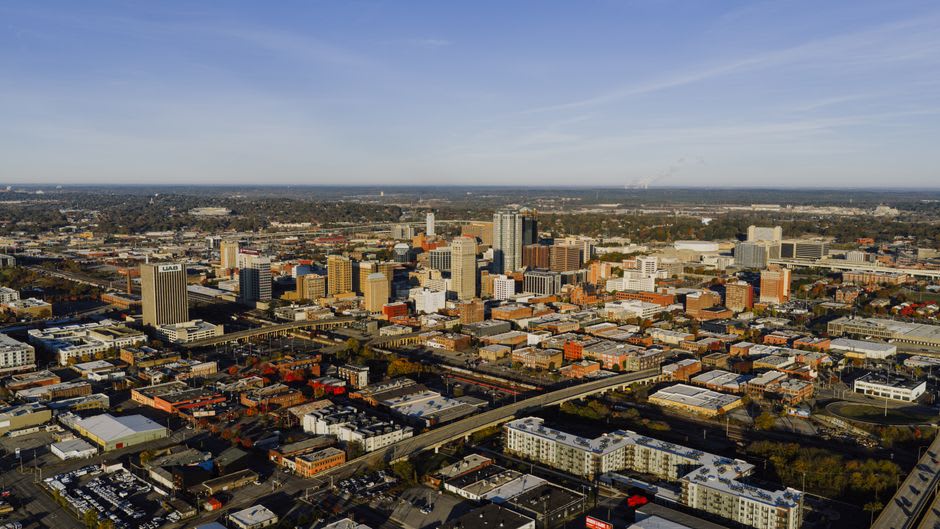
Birmingham-Shuttlesworth International Airport sits just minutes from downtown and connects through the major Southern hubs. Most travelers arrive by car, though — the city sits on Interstate 65 halfway between Nashville and the Gulf, and it makes a natural, meaningful stop on any journey through the Deep South. Give it two days at least. Walk the Civil Rights District slowly, on foot, in the order the history unfolded. Some places ask to be understood rather than simply seen.