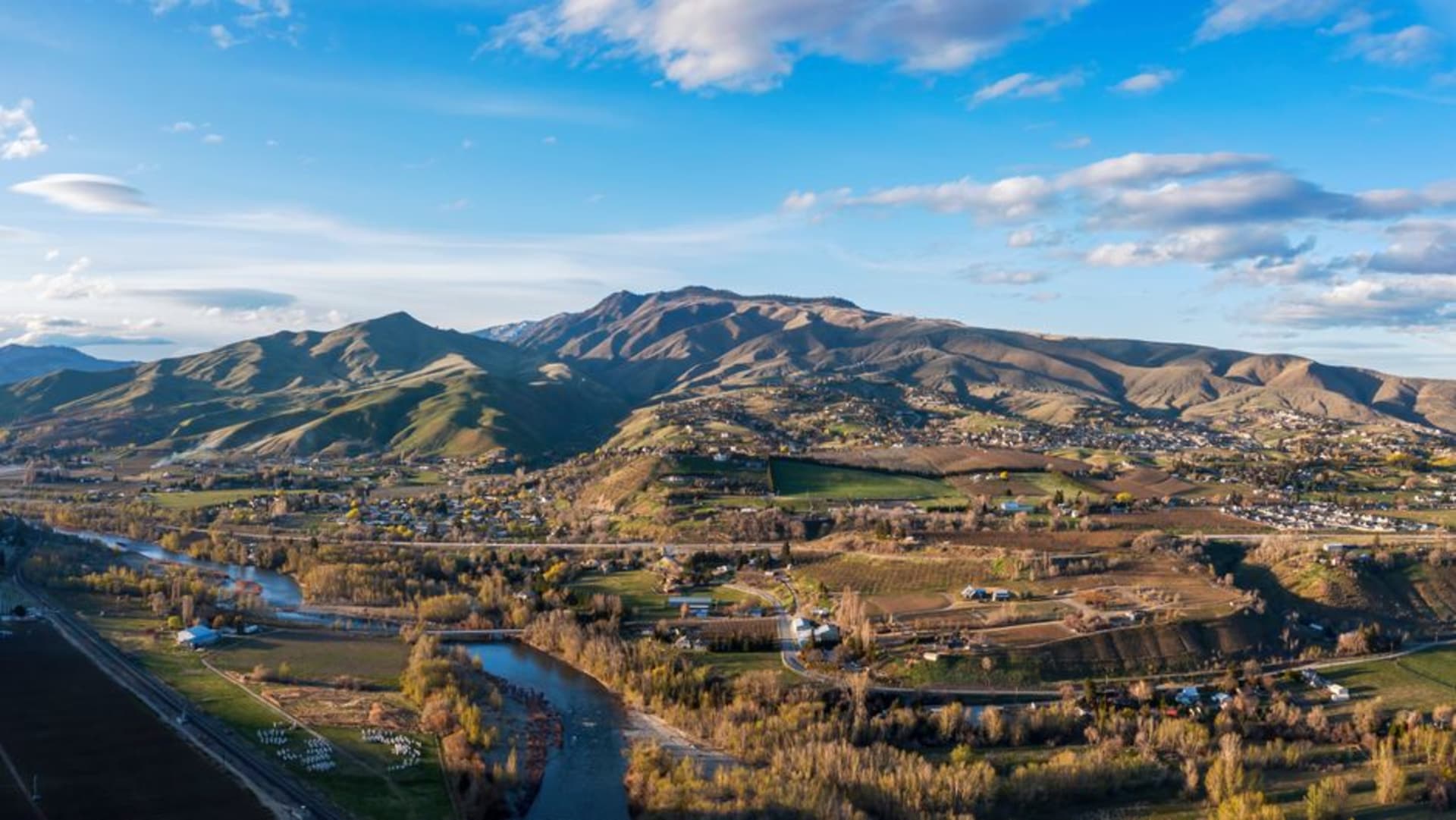
Billings
"Stand on the rimrocks at sunset and the whole idea of Big Sky finally makes sense."
Lia and I climbed the rimrocks our first evening in Billings mostly because they were there, this long wall of pale sandstone that pens the city against the plains. We didn’t expect much. Then we reached the top, turned around, and the sky did the thing Montana is famous for, opening up so impossibly wide that the city below looked like a scattering of toy blocks. The Yellowstone River threaded off to the horizon, catching the last gold light. Neither of us said anything for a while. Some places earn their nicknames, and Big Sky is not marketing.
Up on the Rimrocks
The rimrocks, or “the Rims” as locals call them, are Billings’ defining feature, a two-hundred-foot band of sandstone cliffs curving around the north and west of town. We spent a morning walking the trails along the top, kicking through sage, watching light aircraft drop toward the little airport perched improbably up there. The rock is soft and honey-colored, carved into hollows and ledges. Down at Swords Park you can look out over the entire Yellowstone Valley. Lia found a sheltered notch, sat down, and announced she could stay all day. I understood. There’s a stillness up there, just wind and the far-off hum of the town, that recalibrates something in you.
Following the Yellowstone
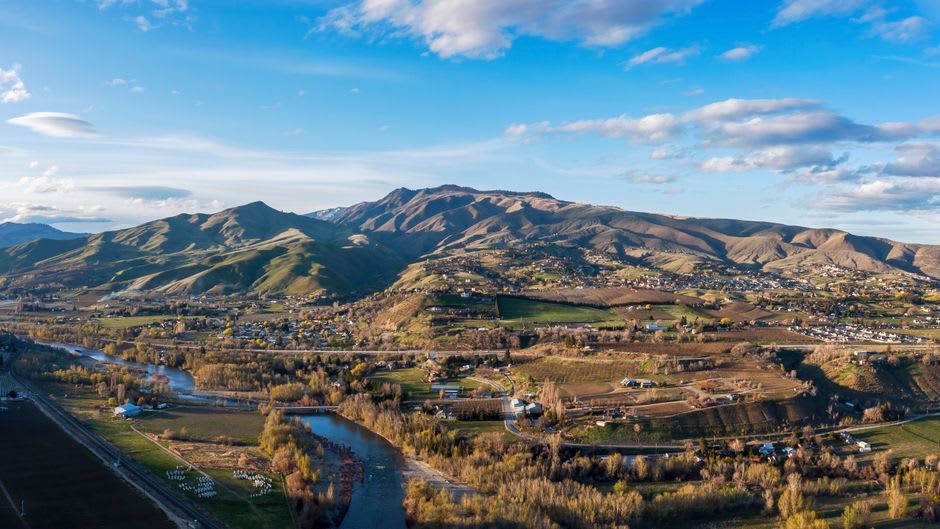
The Yellowstone is the longest undammed river in the Lower 48, and it moves through Billings with a quiet, muscular confidence. We drove out to Pictograph Cave State Park just southeast of the city, where ancient rock paintings hide in sandstone hollows above the valley, some of them thousands of years old. Standing beneath faint red figures traced by hands long gone, with the river country spread below, gave me the kind of chill good history always does. On the way back we stopped along the riverbank, watched a pair of anglers work a fly line, and let the sound of moving water do its work. Montana’s rivers have a way of slowing your pulse.
Brewery Row and Plain Good Company
Billings surprised me with its downtown, which has quietly become one of Montana’s better places to eat and drink. There’s a walkable stretch locals call the Brewery Walk, several craft breweries within stumbling distance of each other in old brick buildings. We planted ourselves at one, ordered a flight, and got talking with a rancher and his wife who insisted on explaining the difference between good and great beef until Lia was taking notes. That’s the thing about Billings. Nobody’s performing for tourists, because not many tourists come. What you get instead is the genuine article, an unvarnished Western city happy to share a beer and an opinion.
Getting There
Billings Logan International Airport sits right atop the rimrocks, minutes above downtown, and it’s the busiest airport in Montana, with connections through Denver, Salt Lake City, and Seattle among others. The drive down from the airport into the city is itself a small event, descending the face of the Rims. By road, Billings lies on Interstate 90, making it a natural stop between the Black Hills to the east and the mountains to the west. It’s the obvious base for reaching Yellowstone National Park, roughly two hours south, or Little Bighorn Battlefield an hour east. You’ll want a car for all of it; the plains don’t do public transit.