Aspen
"The whole hillside had turned to gold coins, and the wind spent them all at once."
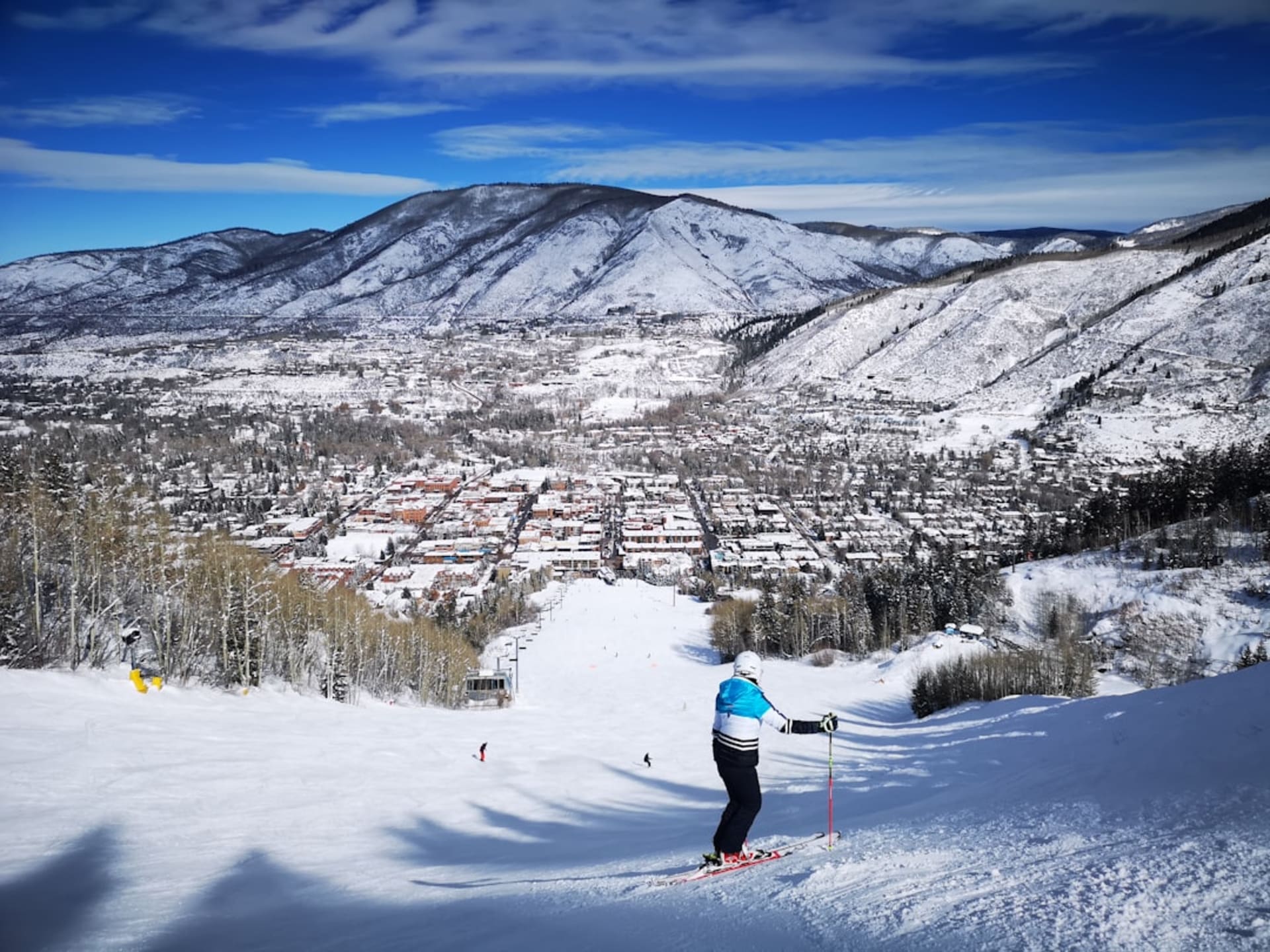
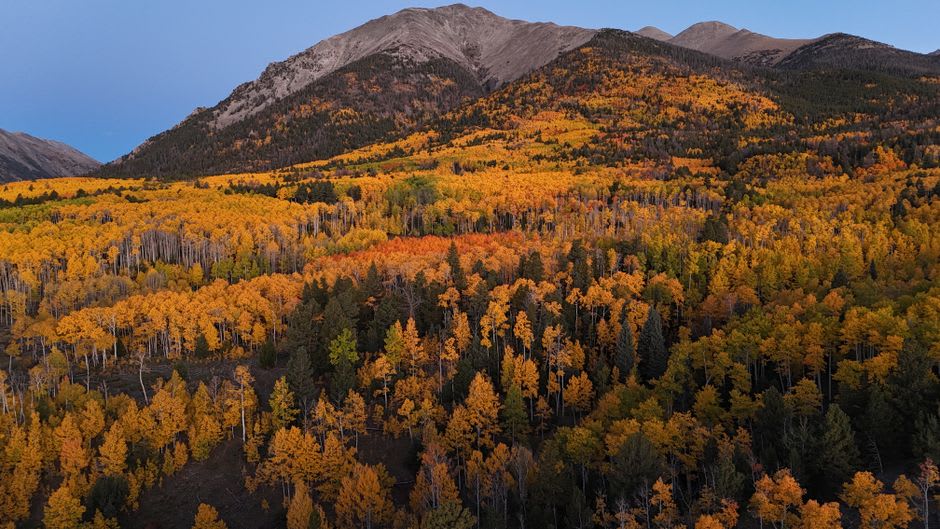
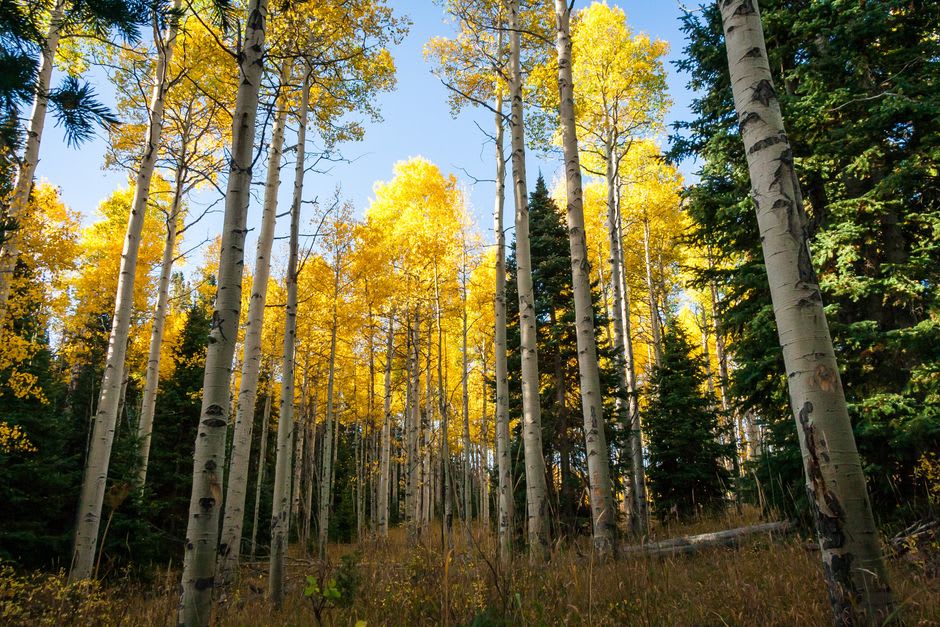
We arrived in Aspen in late September, which everyone had told us was the moment to come, and for once the advice was exact. Lia and I drove up the valley of the Roaring Fork as the light went long, and the hillsides on either side were solid gold — whole stands of aspen turned at once, their round leaves trembling in a wind that seemed to shake the light loose. The town at the head of the valley was smaller and prettier than I’d expected, its Victorian brick storefronts left over from the silver boom, its side streets already smelling of woodsmoke. A woman walking her dog told us the color would last maybe a week. We felt lucky to have caught it at all.
The Maroon Bells
There is one view above all others here, and we gave it a whole morning. The Maroon Bells — two dark, symmetrical peaks streaked with red — rise above a glacial lake about ten miles from town, and in autumn the aspens turning gold beneath them make what is probably the most photographed mountain scene in Colorado. We took the early shuttle up (cars are limited in season) and reached Maroon Lake in a cold blue dawn, mist still lying on the water, the Bells doubled perfectly in the surface. Lia set down her camera after a while and just watched. A ranger nearby said quietly that the peaks are called the Deadly Bells for their crumbling rock, and that beauty and danger here are the same thing.
The silver town beneath the glamour
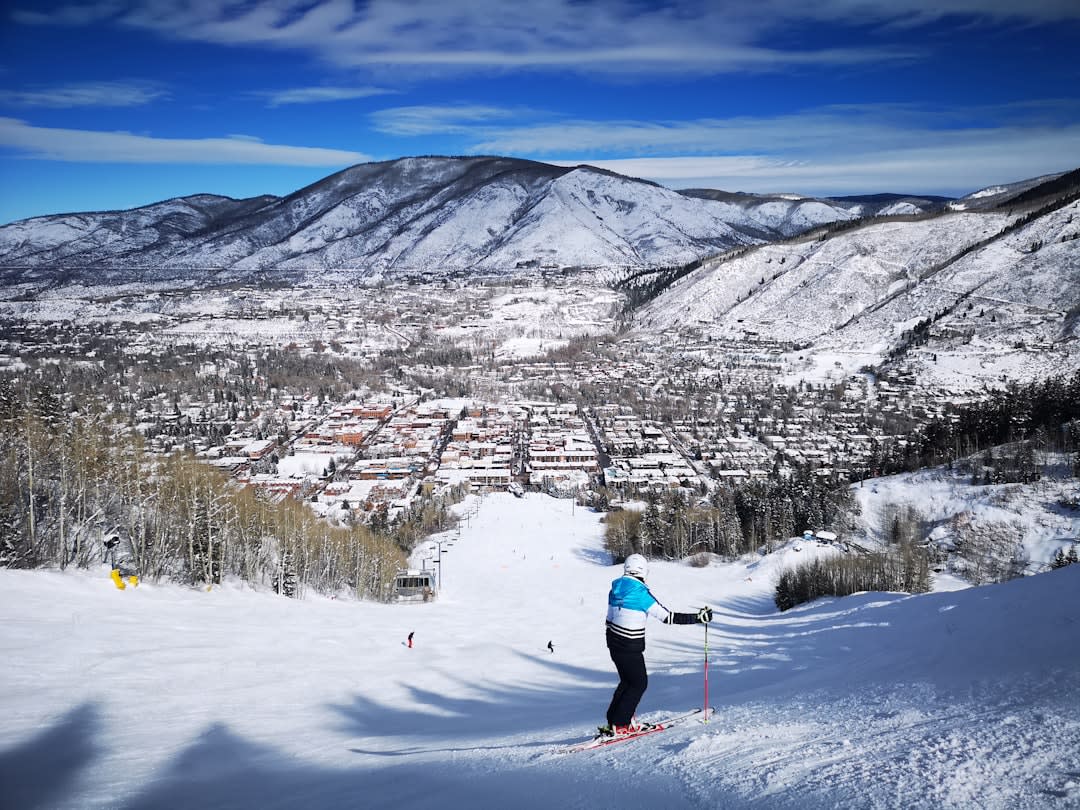
Back in town we spent an afternoon simply walking, and Aspen rewards it more than its reputation suggests. Behind the designer shops on Galena Street there are Victorian miners’ cottages, an old courthouse, and the Wheeler Opera House, built in 1889 when silver made this one of the richest towns in the West. We ducked into the tiny Aspen Historical Society museum, where an elderly volunteer walked us through the boom and the bust that followed when silver crashed, leaving a ghost town that skiing later revived. “Twice this town nearly died,” she said, folding a brochure into my hand. “It just refuses to.” Outside, a man in ski gear climbed out of a very expensive car, and the two Aspens stood side by side.
Up the mountain
On our last day we rode the Silver Queen gondola up Aspen Mountain, lifting out of the golden valley into a colder, thinner world where the first snow had already dusted the summit ridge. At the top, more than eleven thousand feet up, we walked out along a trail with the whole range spread beneath us and not another soul in sight. Lia sat on a rock and we shared a thermos of coffee while clouds dragged their shadows across the peaks. It was utterly quiet — that specific high-altitude silence that presses on your ears. Coming back down, the gondola swung slowly over the aspens, and I understood why people spend fortunes to stand where we were standing for free.
Getting There
Aspen has a small airport just outside town with seasonal flights, but the classic approach is by road — about four hours from Denver, either over the high Independence Pass in summer (a knuckle-whitening, unforgettable drive that closes in winter) or the longer, safer valley route through Glenwood Springs. A car gives you the freedom to chase the color up side valleys, though in town everything worth reaching is walkable and a free bus loops the core. Come in late September for the golden aspens, or deep winter for the skiing; the shoulder weeks between are quiet, cheap, and surprisingly lovely.