Asheville
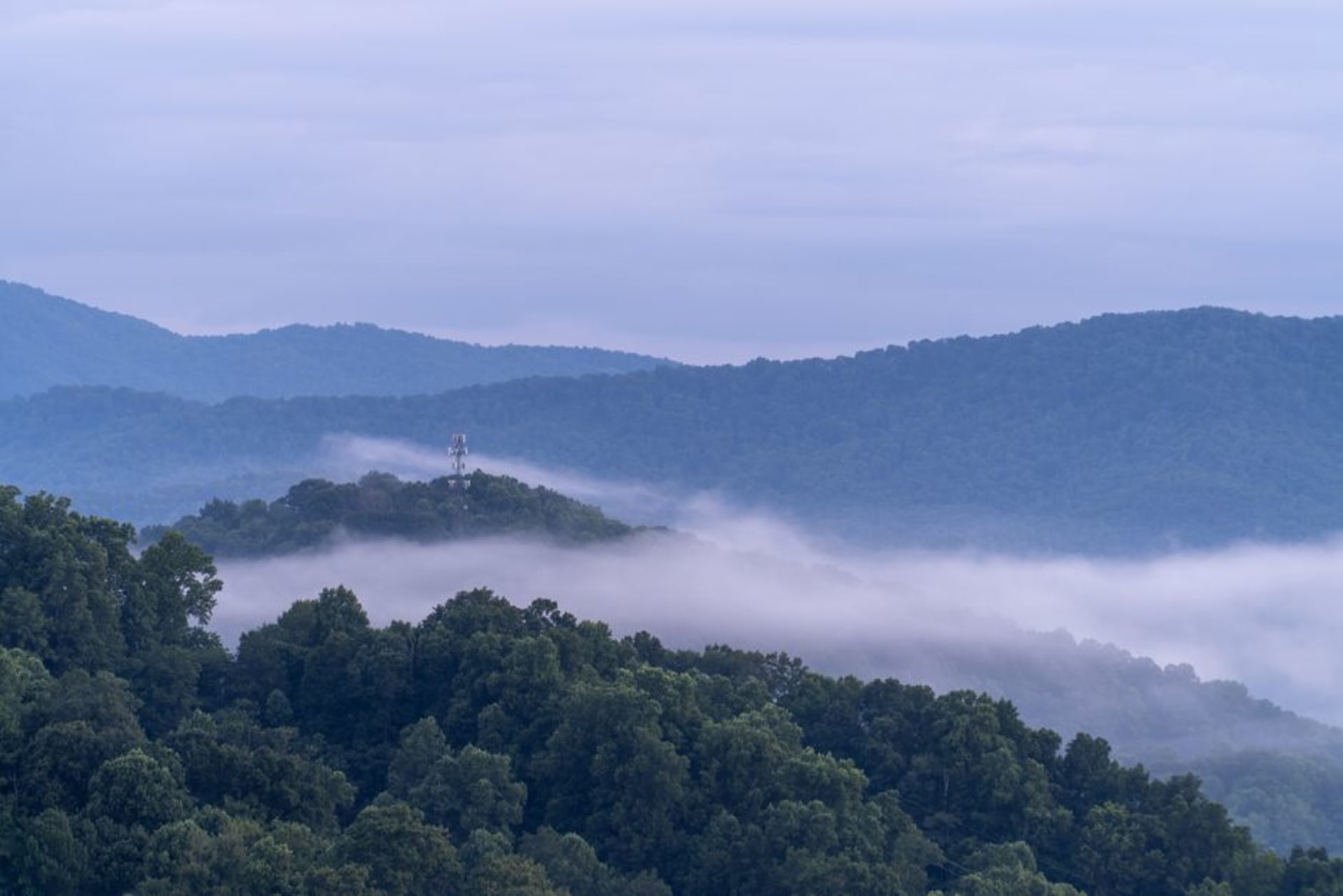
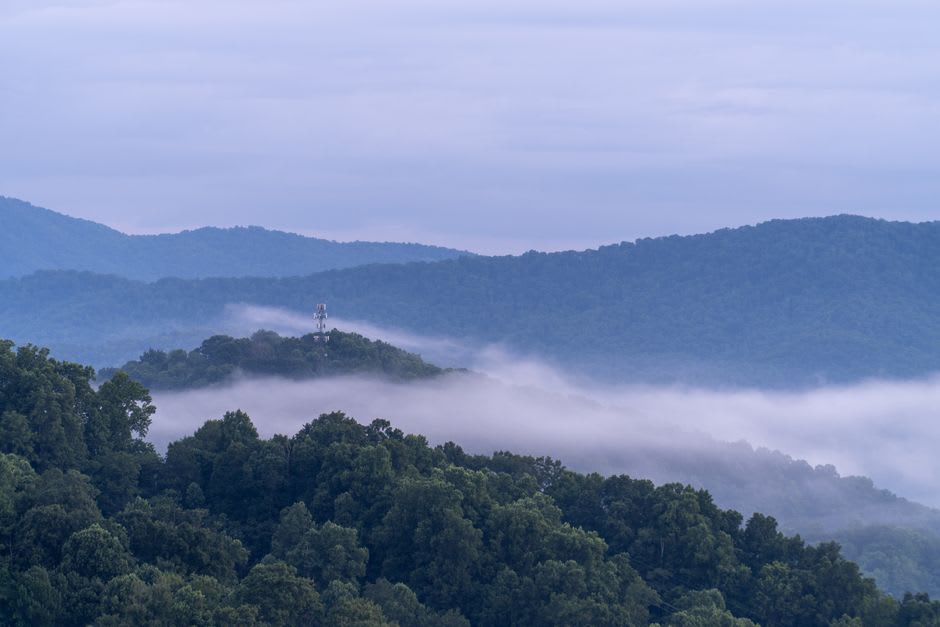
"Every morning the mountains wore a scarf of fog, and every morning we watched it lift."
We drove into Asheville from the east as the fog was still burning off the Blue Ridge, and the mountains came and went behind the mist like something half-remembered. Lia had read that this small city had more breweries per head than almost anywhere in the country, and I’d read that it had more working artists than it knew what to do with, and both of those things turned out to be true in a way that felt effortless rather than smug. We parked, wandered into the first coffee shop we found, and a barista with paint under his fingernails drew us a map of the town on a napkin.
The art of the River Arts District
We followed his napkin down to the River Arts District, a stretch of old brick warehouses and factories along the French Broad River that painters and potters have colonized studio by studio. Doors stood open everywhere, and artists let us wander in mid-work, unbothered, happy to talk. Lia spent a long time watching a glassblower gather a glowing blob onto the end of a rod and turn it, slowly, into a bowl, and I bought a small crooked mug from a potter who told us she’d moved here from Ohio and never once regretted it. Murals covered the outside walls, layered over years, some peeling into the ones beneath.
Biltmore and its grandeur
The next day we gave over to the Biltmore, George Vanderbilt’s absurd and beautiful château on the edge of town, the largest private house in America. It’s the kind of place I usually resist, all gilt and grandeur, but the scale of it disarmed me: two hundred and fifty rooms, a banquet hall you could park a train in, and gardens designed by the man who made Central Park. We skipped much of the house in the end and walked the grounds instead, down through the walled garden to a conservatory dripping with orchids, the mountains framing everything beyond the manicured hedges.
Beer, music and the Blue Ridge
Our evenings belonged to the town itself. Downtown Asheville is small enough to cross on foot, and on every other corner a busker played something good: bluegrass banjo, a lone cellist, a whole string band spilling off a stoop. We settled into a brewery taproom where the beer was poured by the person who’d made it, and fell into conversation with a table of strangers about the best overlook on the Blue Ridge Parkway. They insisted we drive up to Craggy Gardens at dawn, so we did, and watched the whole range come out of the fog beneath us, ridge behind ridge fading to blue.
Getting There
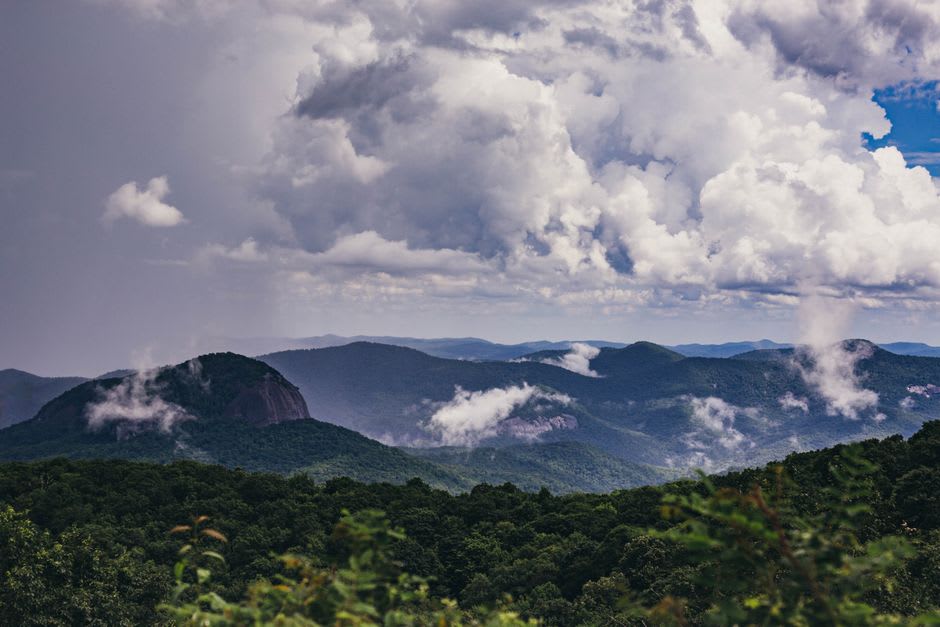
Asheville has a small regional airport about fifteen minutes from downtown, but many travelers arrive as we did, by car, since the drives in are half the reward: the Blue Ridge Parkway threads right past the town, and the approach from any direction climbs through mountain forest. Downtown is compact and walkable, though you’ll want a car for the Parkway overlooks and the Biltmore. Autumn, when the ridges turn gold and red, is the celebrated season; we came in summer and found the mornings cool, the fog reliable, and the crowds thinner.