England's largest forest and darkest sky reserve in Northumberland, built around Europe's largest man-made lake.
I did not expect to feel small in England. I had crossed deserts and stood at the edge of canyons and watched the Pacific swallow the sun, but it was a car park on the edge of Kielder Water — a Wednesday in November, zero other humans — that finally made me understand what absence sounds like.
Kielder is not the England of postcards. No thatched roofs, no village greens. It is 250 square miles of Sitka spruce plantation, a reservoir the size of a small sea, and darkness so complete that on a clear night the Milky Way stops being a metaphor and becomes a literal smear of white across the sky.
The Forest at Ground Level
We arrived via the C200, the single road that wraps around Kielder Water’s northern shore, and pulled over somewhere near Leaplish Waterside Park because Lia wanted to get out and listen. She was right to insist. The forest has a particular acoustic — the spruce canopy absorbs wind rather than amplifying it, so the silence isn’t silence exactly, it’s a kind of dampened hum, like the world is running on low power. The smell is sharp resin and cold peat and something faintly mineral from the water. We stood there for longer than made sense.
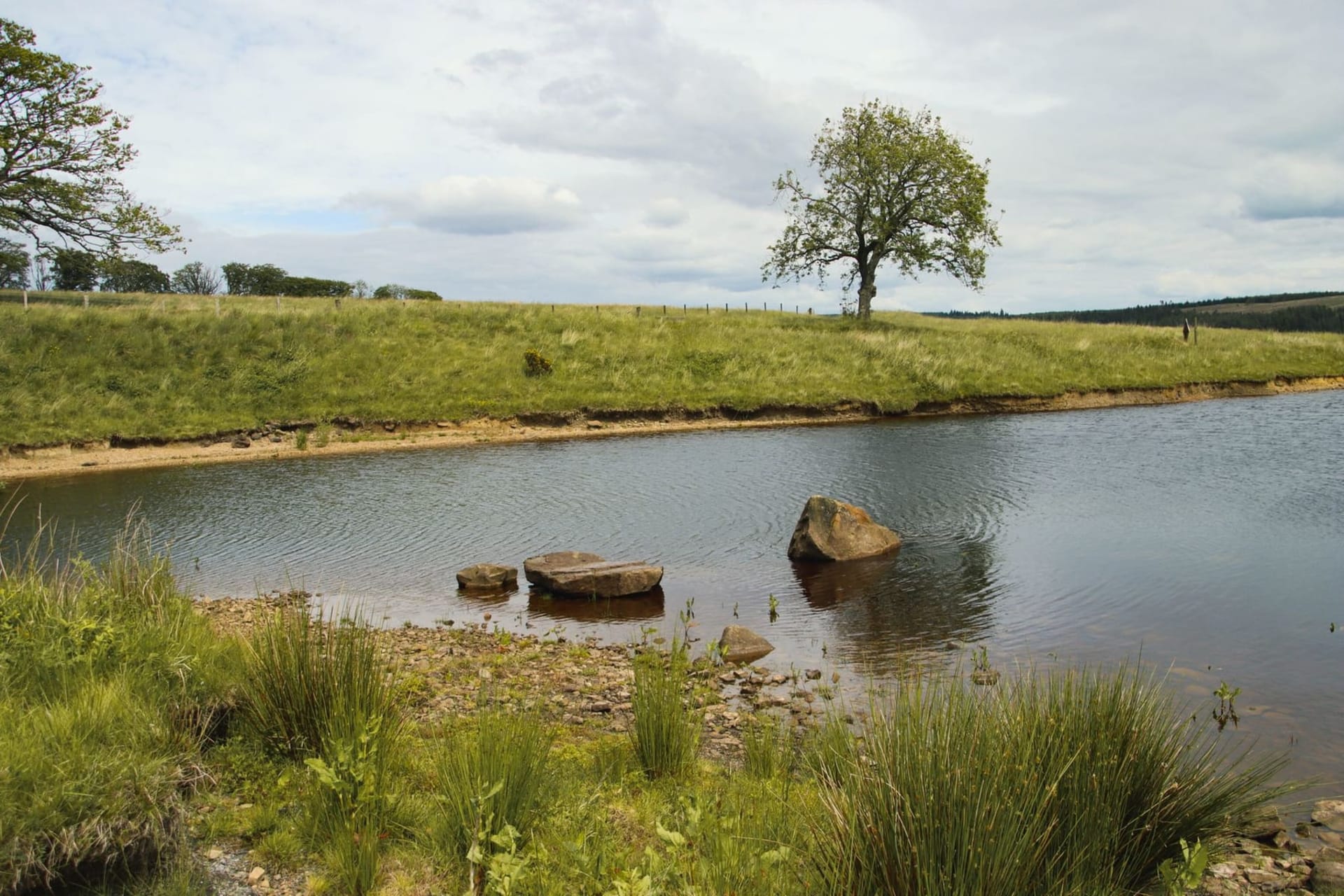
The shoreline trail near Tower Knowe Visitor Centre rewards the patient walker. The reservoir holds 200 billion litres of water and sits so still in windless conditions that the tree line doubles itself perfectly on the surface. I kept stopping to photograph the reflection, convinced it was more real than the original.
The Observatory and What Happened at 2am
The Kielder Observatory sits on Black Fell, a short drive from the village of Kielder itself, and hosts public stargazing sessions that book out weeks in advance. We attended on our second night, wrapped in everything we owned.
What I did not expect was the cold being loud. I mean this literally — at -4C, standing still on the fell, I could hear my jacket creak with every breath. Then one of the astronomers pointed the main telescope at the Andromeda Galaxy and told me the light entering my eye had been traveling for 2.5 million years. I looked up without the telescope afterward and understood for the first time why ancient people built entire religions around the sky. It was not mystical. It was just the correct response to the information.
A Place Built on Water
The reservoir itself was created in 1982, flooding the North Tyne valley and displacing farming communities. That history sits quietly underneath the recreation — the kayaks for hire at Leaplish, the cycling trails, the families throwing bread at ducks. I found it strange and moving to paddle across water that covers someone’s former field.
When to go: Autumn and winter give the clearest skies for stargazing; October through February offers the longest nights and best conditions at the observatory. Summer is greener but light nights limit the stars significantly.