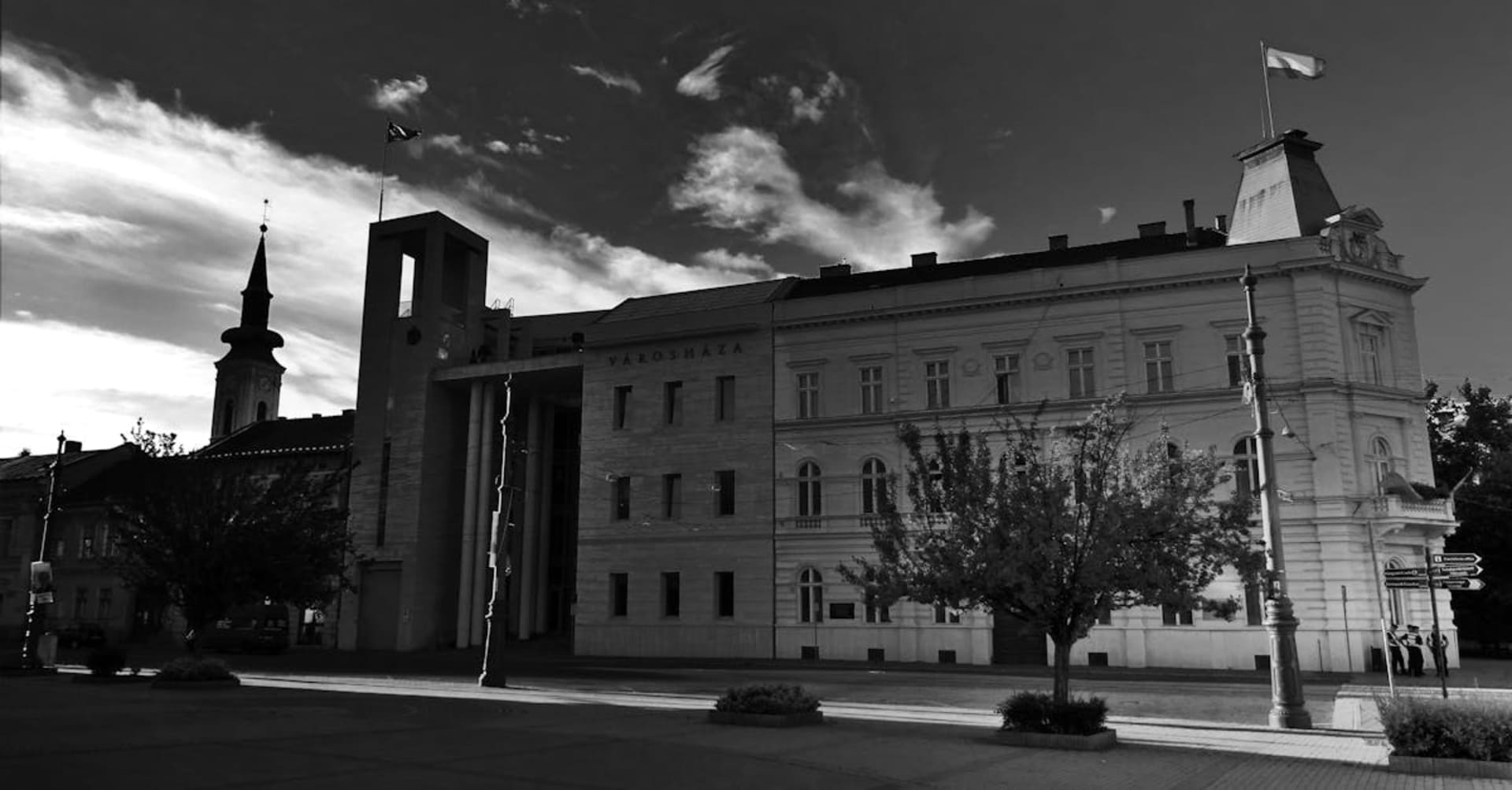
Trabzon is the gateway to a Turkey most visitors never see — the Black Sea coast, where tea plantations climb steep green hillsides, clouds settle into forested valleys, and the cuisine owes more to Georgian and Caucasian traditions than to the Mediterranean. I came here because a Turkish friend in Mexico City told me, with the quiet intensity of someone sharing a secret, that the food in the northeast would change my understanding of the country. He was right.
The city itself has a Byzantine heritage visible in the Hagia Sophia of Trabzon, a thirteenth-century church with frescoes that rival its more famous Istanbul namesake in artistry if not in scale. The building sits on a bluff above the Black Sea, surrounded by gardens, and the interior — recently restored — contains images of Christ, the apostles, and scenes from Genesis painted with a delicacy and emotion that stopped me in my tracks. This is not Istanbul’s tourist circuit. I was alone inside for thirty minutes.
Sumela and the Highlands
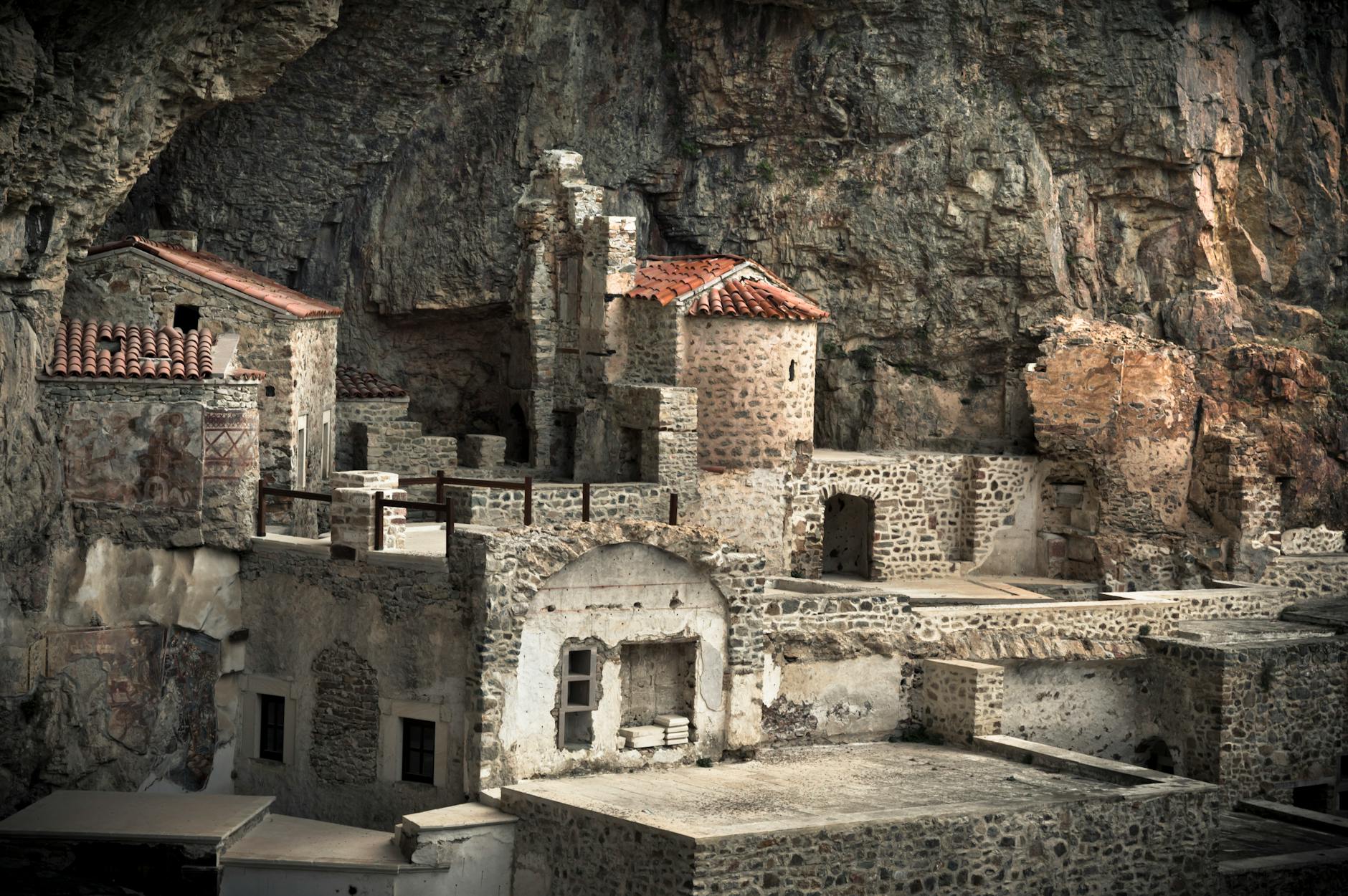
The region’s masterpiece is the Sumela Monastery, carved into a cliff face three hundred meters above a forested gorge. Reaching it requires a steep hike through dripping pine forest — the Black Sea coast is wet, and the moisture gives everything a saturated green that feels more Pacific Northwest than Mediterranean. The reward is frescoed chambers clinging to bare rock with views into green infinity, and the vertiginous realization that monks lived and worshipped here for over fifteen hundred years, hauling supplies up the cliff face because faith, apparently, does not require convenience.
Back in town, the Uzun Sokak bazaar sells local hazelnuts, Black Sea butter so rich it could be a dessert, and the regional specialty muhlama — a fondue-like dish of cornmeal, butter, and local cheese that is stirred in a copper pan until it reaches a stretchy, golden consistency. I ate it for breakfast, lunch, and dinner on separate days and regret nothing. The highland plateaus — yayla — above Trabzon, particularly Ayder and Uzungol, offer wooden chalets, alpine meadows, and a quietness that feels earned after the intensity of Istanbul.
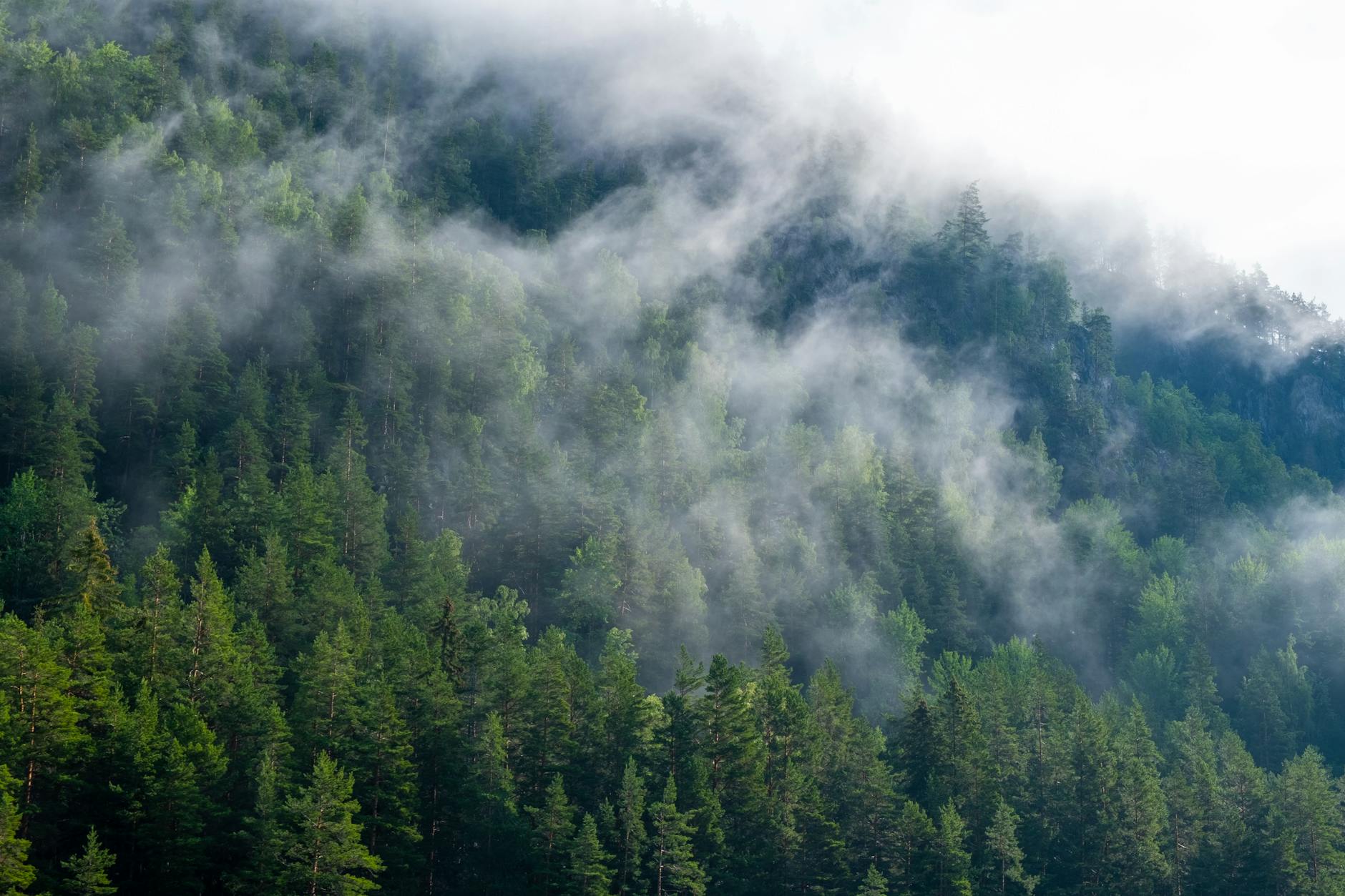
When to go: June to September for the warmest and driest weather, though the Black Sea is never fully dry — pack a rain layer and embrace the mist. The tea harvest in May and June turns the hillsides into a patchwork of brilliant green.