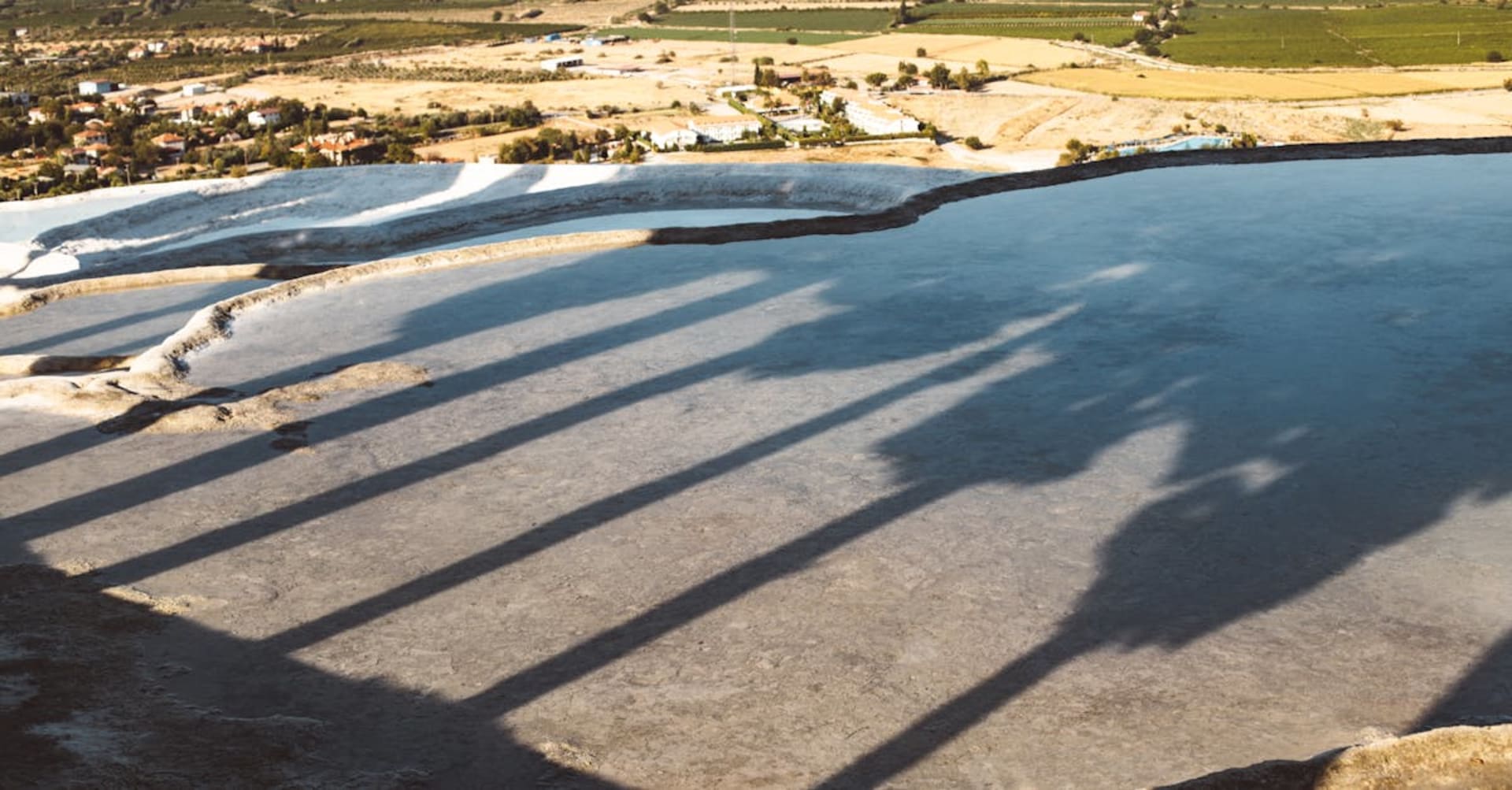
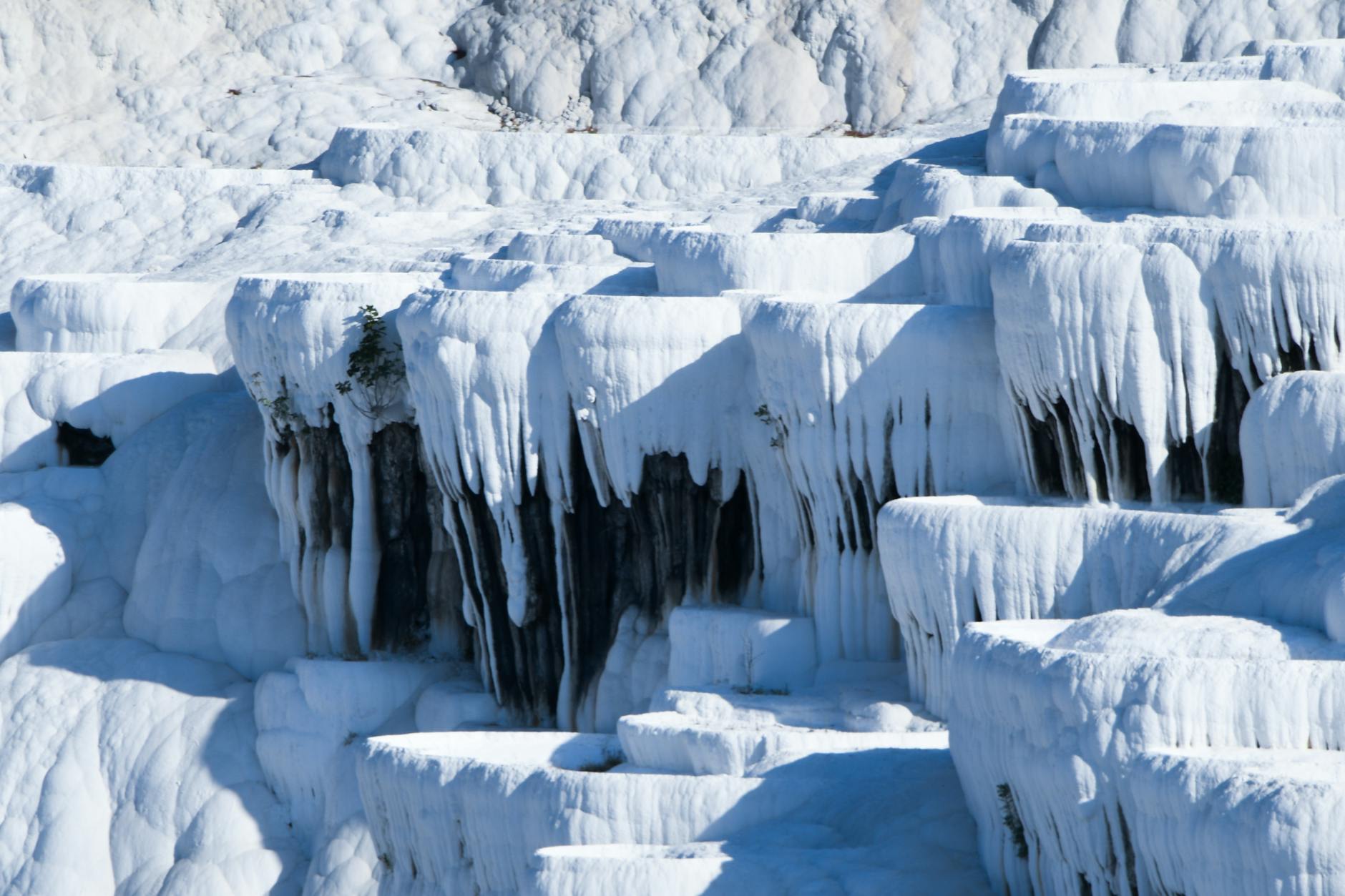
Pamukkale means “cotton castle,” and from a distance the white travertine terraces do look like something spun rather than deposited — seventeen thermal pools stepping down the hillside, filled with warm mineral water that has been calcifying into these impossible formations for thousands of years. I arrived at sunset, when the day-trip buses had gone and the terraces were almost empty, and walked barefoot across the warm, smooth stone as water flowed over my feet and the sky turned from gold to pink in the mineral pools. It is one of those experiences that photographs cannot fully capture — the texture underfoot, the warmth of the water, the silence of a landscape that looks like it belongs on another planet.
The terraces have been damaged by decades of tourist misuse — hotels were built on top of them, shoes scraped the deposits — but a restoration effort has brought them back remarkably well. The pools that are open to visitors are rotated to allow recovery, and walking the designated paths barefoot (shoes are not allowed) is both a conservation measure and a sensory pleasure.
Hierapolis and the Antique Pool
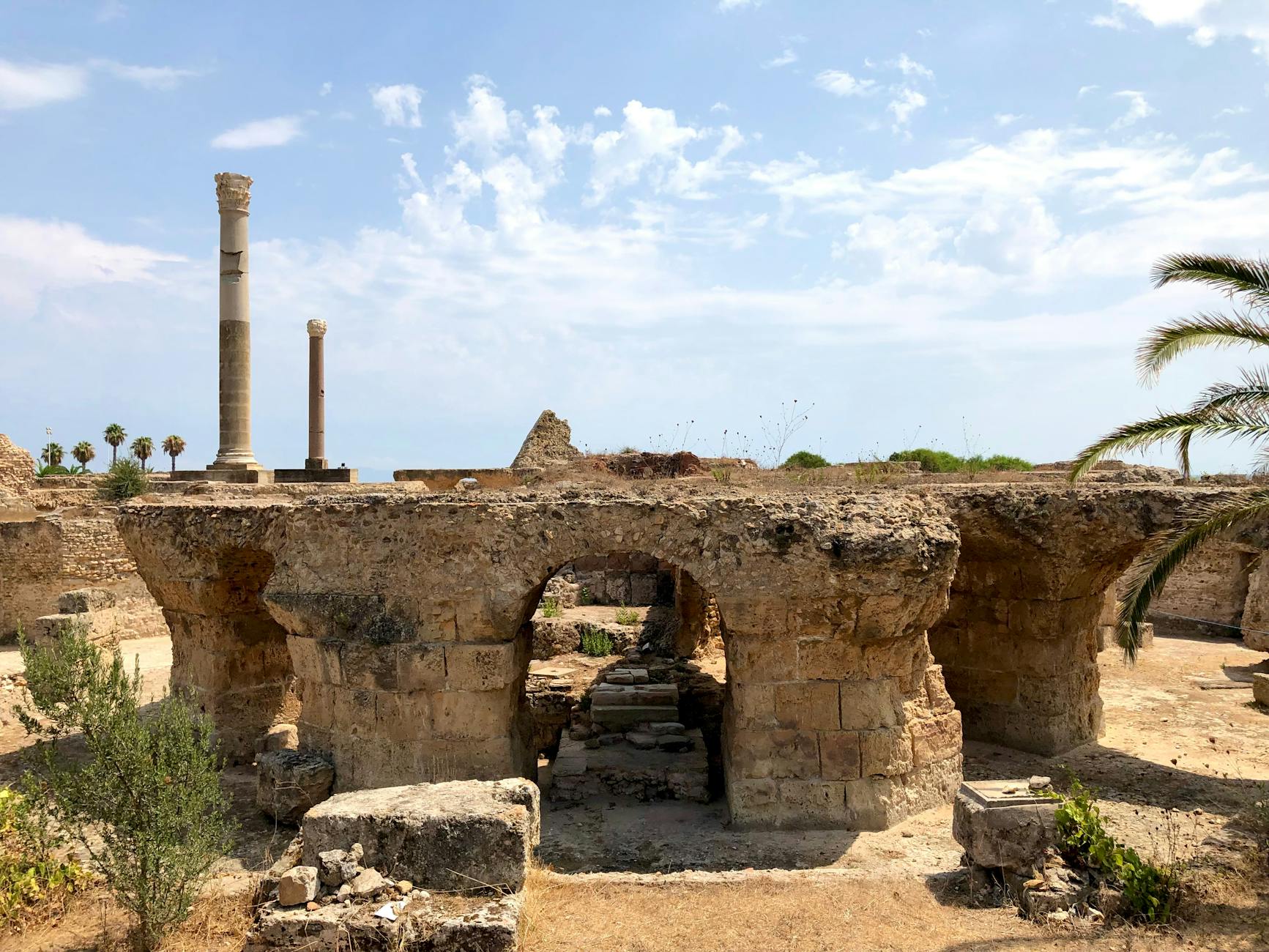
At the summit sits Hierapolis, a Greco-Roman city built to exploit these same thermal waters two thousand years ago. The ruins are extensive — a colonnaded street, a massive necropolis with over twelve hundred tombs (one of the largest in the ancient world), a beautifully preserved theatre whose stage building still stands two stories tall. The Romans understood what every modern wellness influencer is still catching up to: that thermal water is therapeutic, and that the best way to enjoy it is surrounded by architecture that makes you feel the moment matters.
The highlight is the Antique Pool, where you swim among sunken Roman columns in naturally heated water at thirty-six degrees. The columns fell during an earthquake and were left where they landed, and now you float above fluted marble that was carved when Rome was still an empire. I swam there for an hour, drifting between columns, the warm water smelling faintly of minerals, and thought: this is the oldest spa experience still operating on earth, and it costs twelve euros.
The nearby town of Denizli is functional rather than charming, so stay in the village at the top for sunset and sunrise access to the terraces. The difference between Pamukkale at midday with three hundred tourists and Pamukkale at dawn with five is the difference between visiting a wonder and experiencing one.
When to go: April to May or September to October. Visit early morning or late afternoon when the terraces glow gold and the crowds are elsewhere.