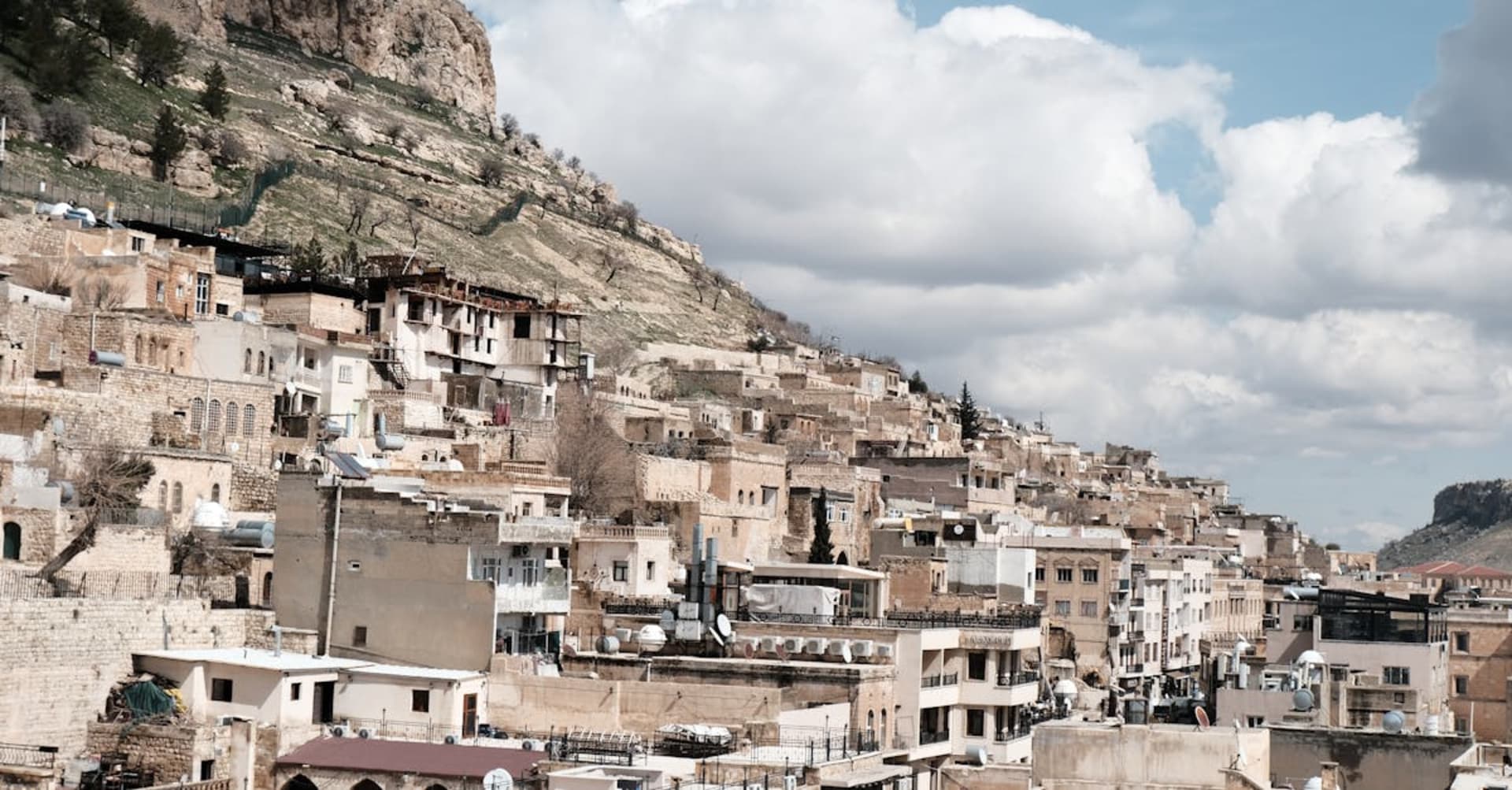
Mardin is unlike anywhere else in Turkey — a city built from honey-colored limestone that cascades down a hilltop overlooking the vast Mesopotamian plain stretching into Syria. I arrived at sunset, and the stone was doing what limestone does in that light: it was glowing, every carved facade and arched doorway radiating a warmth that felt less like reflected sunlight and more like the city itself was lit from within. The architecture is an intoxicating blend of Arab, Kurdish, Syriac Christian, and Ottoman influences — sometimes within the same building — and the streets are an open-air museum of carved stone that would be a UNESCO site anywhere else in the world and here is simply where people live.
The old city is built on a slope so steep that the roof of one house serves as the terrace of the one above. I spent hours walking the narrow lanes, discovering carved doorways and stone fountains and the particular silence of a place where the modern world has arrived but has had the good sense not to demolish what came before. A shopkeeper invited me in for tea and showed me the carved ceiling of his shop — seventeenth-century stonework now sheltering bolts of fabric and a television playing Turkish football.
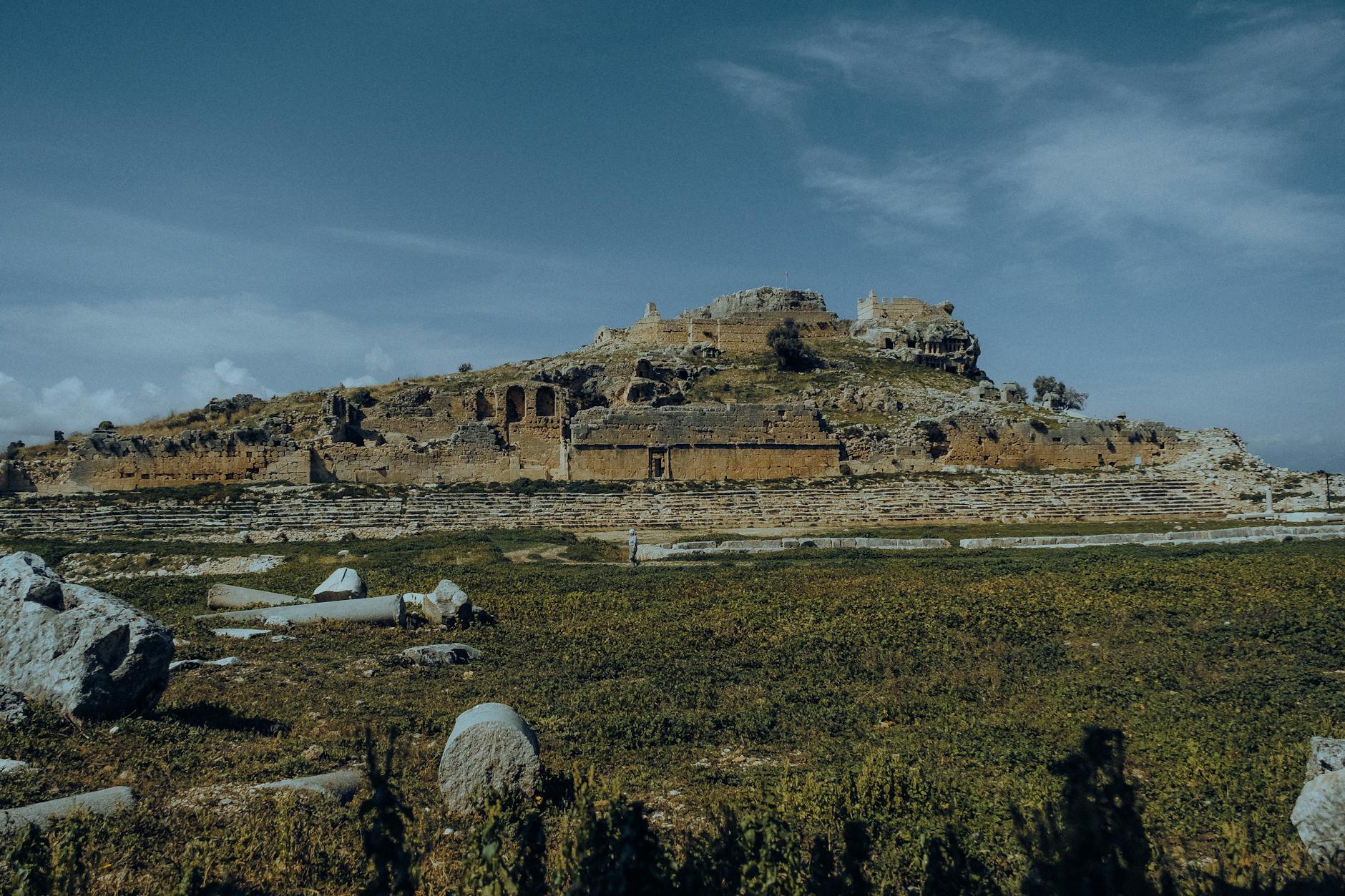
The Monasteries and the Plain
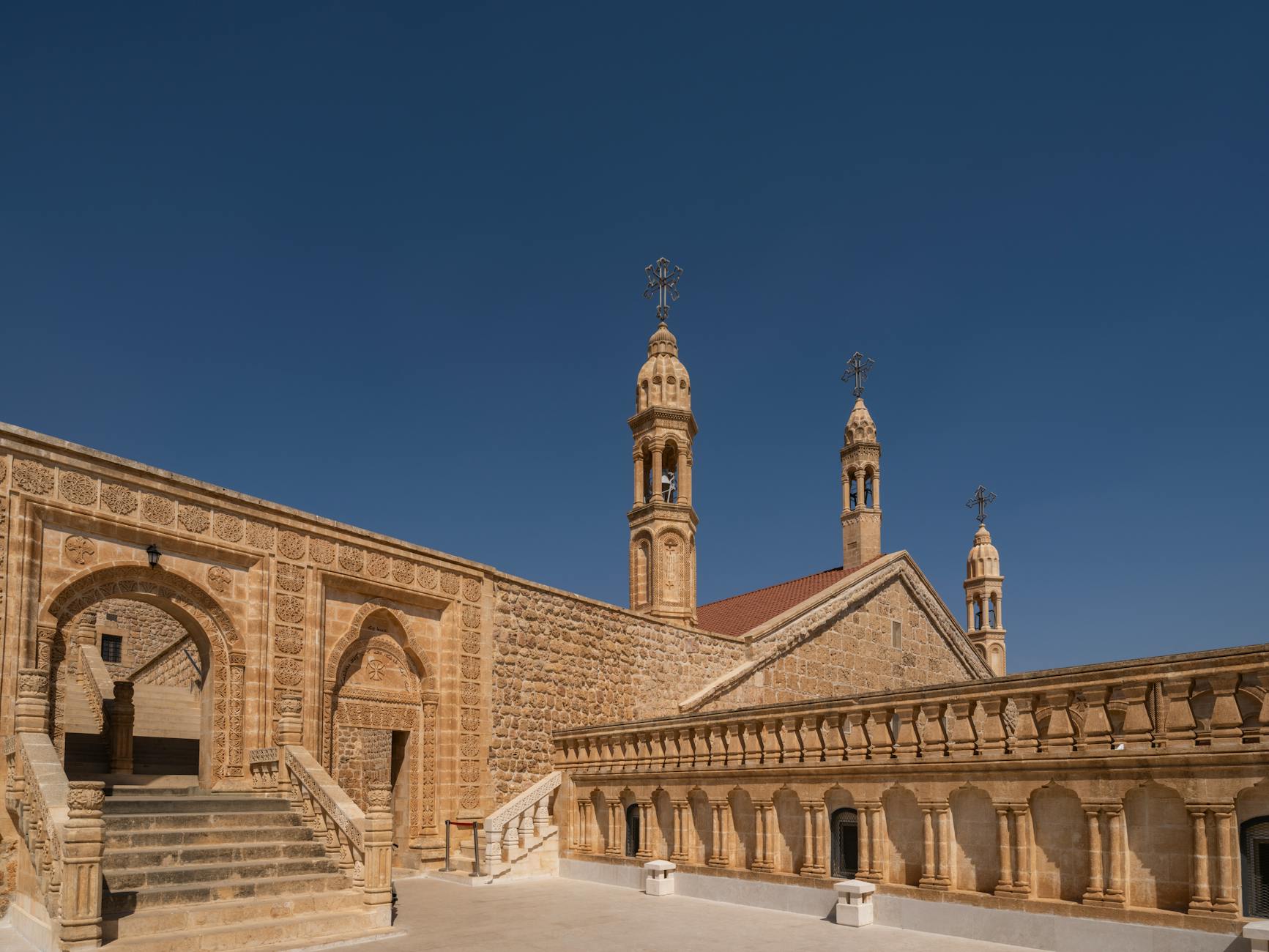
The Deyrulzafaran Monastery, just outside town, has been the seat of the Syriac Orthodox Church since 493 AD — its dark stone chambers still host services in Aramaic, the language spoken in the time of Christ. A monk showed me the sanctuary, explaining the liturgy in a mixture of Turkish and English, and when he began to chant in Aramaic the sound seemed to come from the walls themselves — a language so old it predates the building that houses it, and a building so old it predates every church I had ever visited. The continuity is staggering. Fifteen centuries of unbroken worship in the same rooms.
In the old city, the Ulu Cami mosque dates to the twelfth century, and the Kasimiye Medrese theological school offers courtyard gardens and views across the plain that seem to stretch to the edge of the ancient world — which, historically speaking, is exactly what they do. Mesopotamia begins at Mardin’s feet. The Tigris is not far. The earliest civilizations rose from the soil you are looking at.
Mardin’s cuisine reflects its crossroads identity: spiced lamb with pomegranate molasses, bulgur kofte shaped by hand, and a local cheese called otlu peynir flavored with wild herbs gathered from the surrounding hills. I ate at a rooftop restaurant where the view extended to the Syrian border, the food was extraordinary, and the bill was less than what a mediocre sandwich costs in Paris.
When to go: April to May or October to November. Summers on the Mesopotamian plain are brutally hot — forty-plus degrees for weeks on end. Spring and autumn bring pleasant warmth and the golden light that makes Mardin’s stone architecture sing.