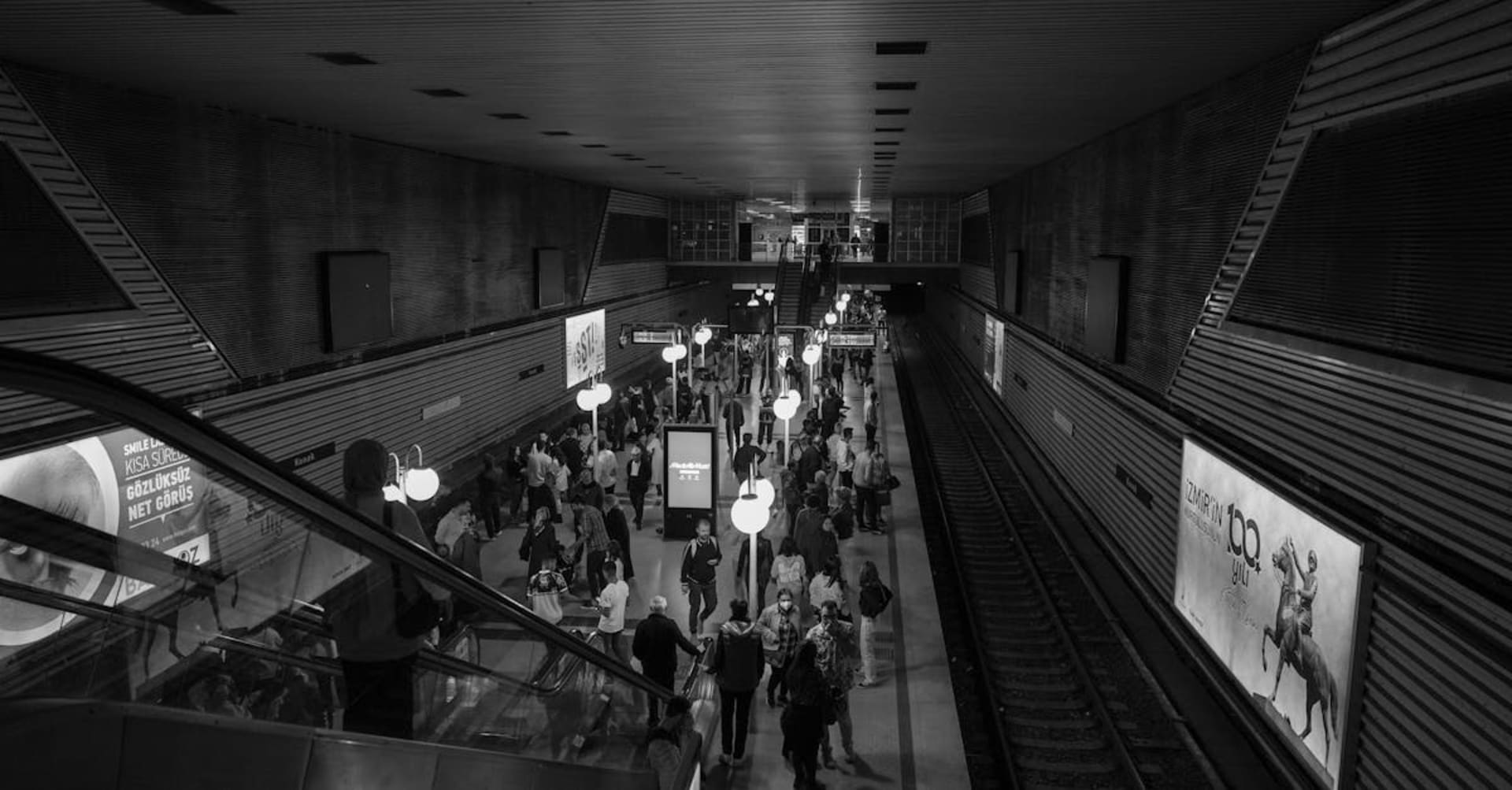
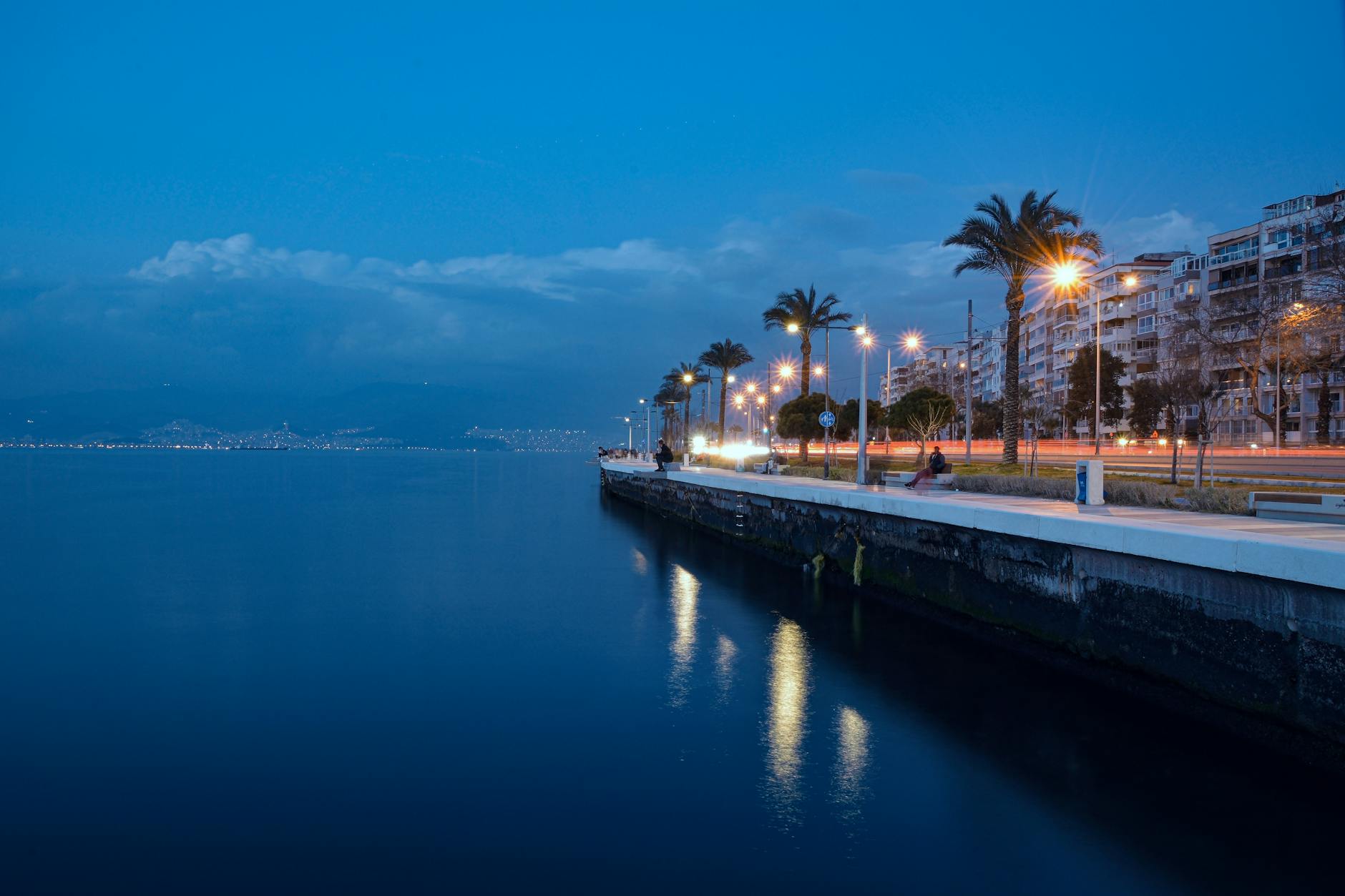
Izmir is Turkey’s third-largest city but feels like a well-kept secret. The Kordon waterfront stretches for kilometers along the bay — a palm-lined promenade where families stroll, fishermen cast lines, and the sunset paints the water in shades that make you stop walking. Unlike Istanbul’s grand monuments, Izmir’s pleasures are quotidian: a glass of cay at a streetside cafe, fresh mussels stuffed with rice from a vendor’s tray, the particular satisfaction of a city that lives for itself rather than for visitors. I spent three days here and never once felt like a tourist. I felt like a guest in someone’s living room — the comfortable kind, where they bring you tea without asking and point you toward the good bakery around the corner.
The city has a Mediterranean ease that reminded me of Marseille — the same port-city confidence, the same willingness to be imperfect, the same fierce local pride that treats any comparison to the capital as faintly insulting. Izmir is not Istanbul’s little sibling. It is a different proposition entirely.
The Bazaar and the Agora
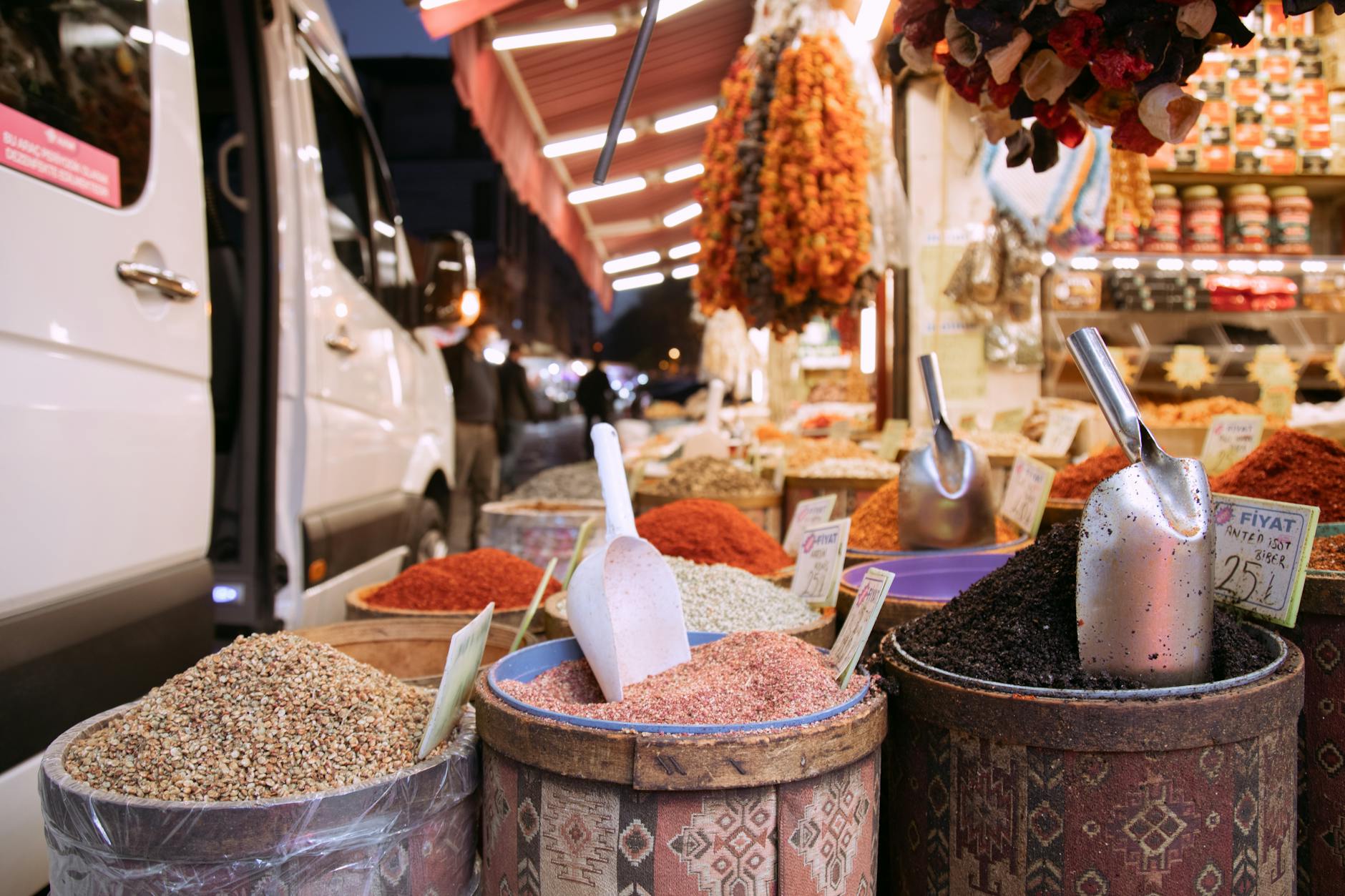
The Kemeralti Bazaar is Izmir’s beating heart — a sprawling covered market where goldsmiths, spice sellers, and leather workshops operate from stalls that have not fundamentally changed in centuries. The energy is different from Istanbul’s Grand Bazaar: less performative, more functional, a place where locals buy their wedding gold and their weekly spices in the same trip. I bought a bag of Aegean oregano so fragrant it perfumed my backpack for a week, and drank three glasses of tea offered by shopkeepers who wanted nothing more than conversation.
The Agora of ancient Smyrna sits in the bazaar’s center, Roman columns rising incongruously between market stalls — a reminder that this city has been a trading hub for three thousand years and the current iteration is just the latest layer. For a broader perspective, ride the vintage elevator at Asansor in the Konak district for panoramic views, or take a ferry across the bay to Karsiyaka, where the waterfront cafes face back toward the city and the mountains behind it catch the last light. The boyoz — a flaky pastry that is Izmir’s signature breakfast food, descended from Sephardic Jewish bakers — is best eaten warm from the oven with a glass of tea, which in Izmir is to say: always.
When to go: April to June or September to November. Izmir’s mild Aegean climate makes it pleasant nearly year-round, but spring brings the best energy and the International Jazz Festival in June is worth timing for.