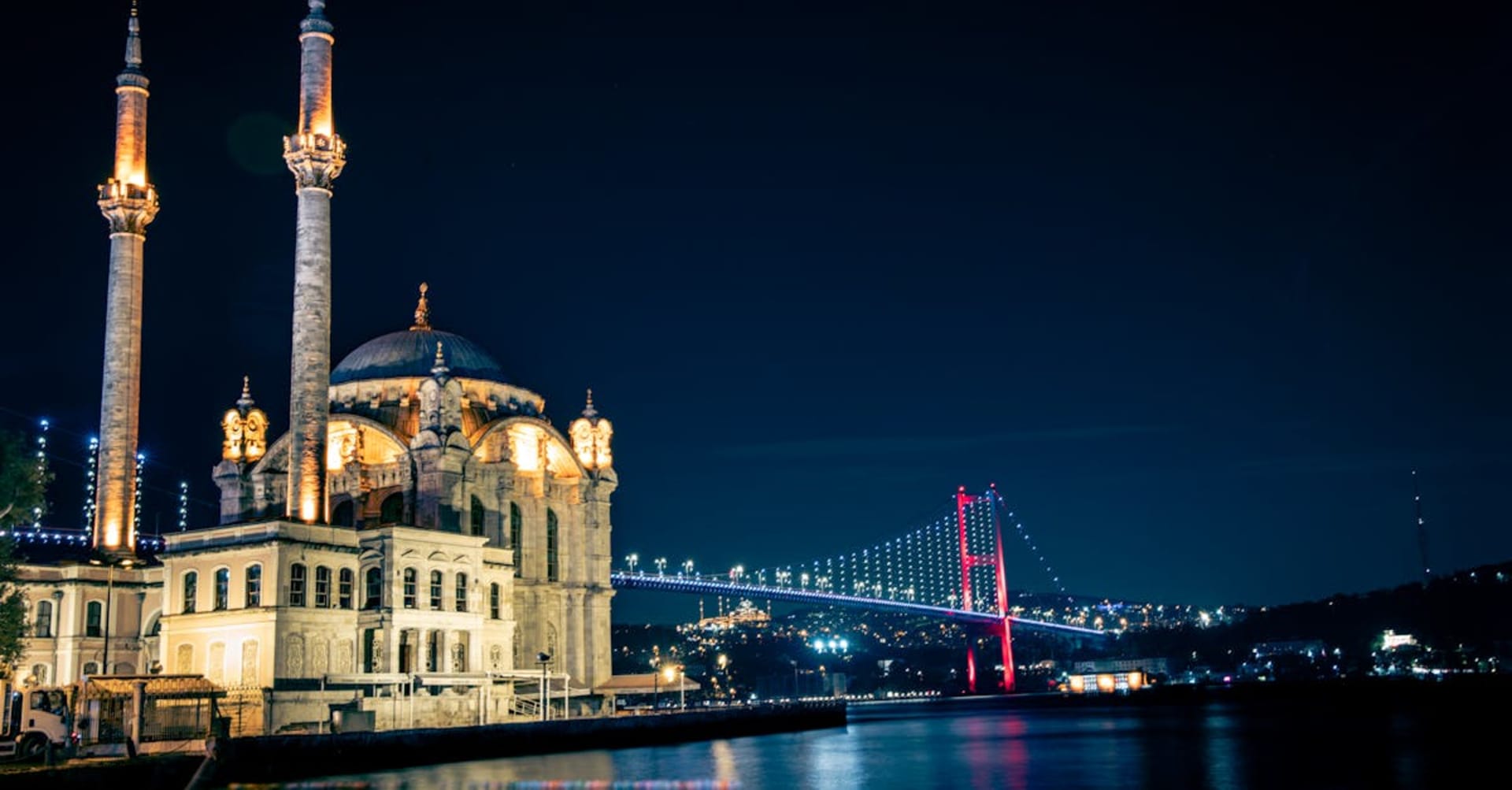
Istanbul does not transition between East and West — it inhabits both simultaneously. I arrived on a grey February morning, took a ferry from Kadikoy to Eminonu, and by the time the boat rounded the point and the silhouette of Sultanahmet appeared — domes stacked behind domes, minarets piercing the low cloud — I understood why every empire that ruled this city refused to give it up. Constantinople, Byzantium, Istanbul: three names for the same obsession.
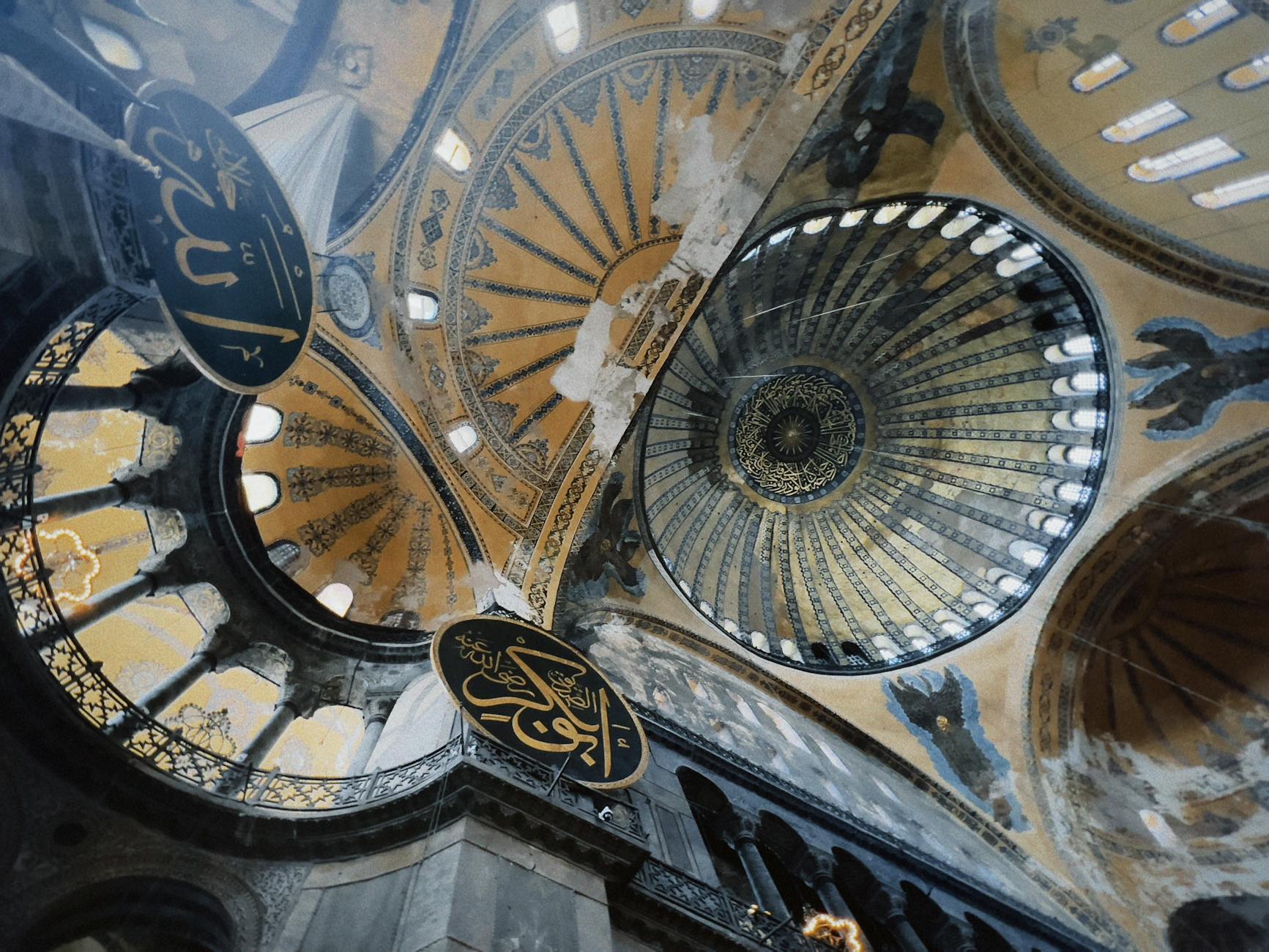
The Hagia Sophia is the proof of concept. A Byzantine cathedral turned Ottoman mosque turned museum turned mosque again, its dome hovering above golden mosaics and Islamic calligraphy in the same breath. I stood beneath it for twenty minutes, neck craned, trying to process the scale — the dome seems to float, an engineering impossibility that Justinian’s architects achieved in 537 AD and that still makes modern structural engineers shake their heads. Across the garden, the Blue Mosque answers with six minarets and twenty thousand hand-painted Iznik tiles in blues that deepen as the light shifts. The conversation between these two buildings is a thousand years old and still ongoing.
The Bazaars and Beyoglu
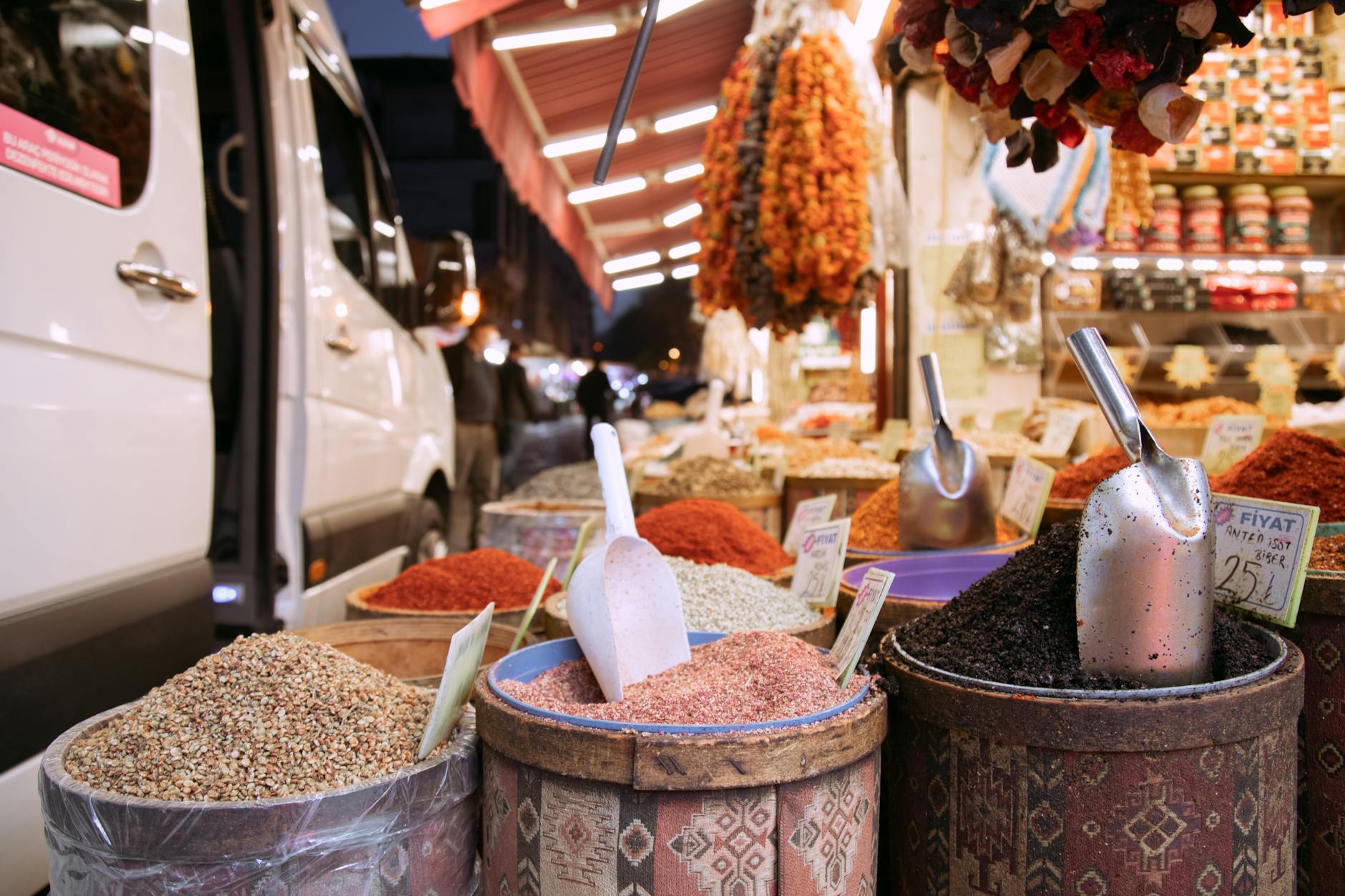
The Grand Bazaar is less a market than a small city — sixty-one covered streets, over four thousand shops, and a logic that rewards surrender over navigation. I went in looking for a leather journal and came out three hours later with a kilim, a bag of pomegranate tea, and a friendship with a lamp seller from Kayseri who insisted I try his mother’s borek recipe. The Spice Bazaar nearby is more focused — pyramids of sumac and urfa pepper, blocks of Turkish delight in pistachio and rosewater, dried figs so dense they could anchor a ship.
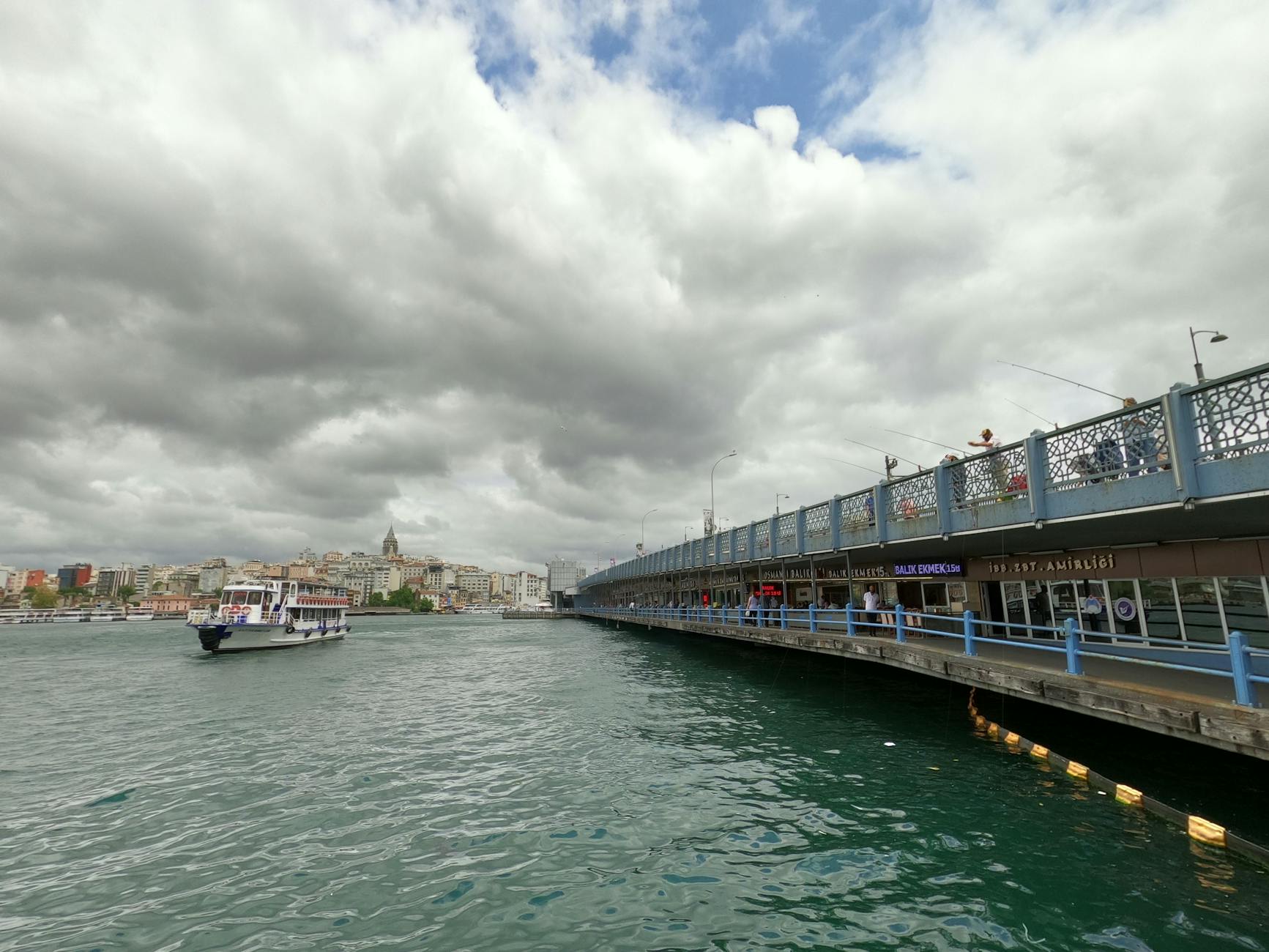
Cross the Galata Bridge at dusk, when fishermen line the railings and the ferries churn below, and you enter a different Istanbul entirely. Beyoglu is the city’s modern heart — Istiklal Avenue pulses with bookshops, meyhanes serving raki and meze, and music spilling from every doorway. The backstreets hide places like the rooftop bars of Karakoy, where you drink Anatolian wine and watch the container ships slide through the Bosphorus below.
The Asian Side
For the city’s truest flavors, take the ferry to Kadikoy on the Asian side. The market there sells fresh simit, pomegranate juice, and fish so recent it was swimming that morning. The neighborhood of Moda has the best coffee scene in Istanbul — third-wave roasters in Art Nouveau buildings, with a waterfront promenade that faces back toward the European skyline. I sat there one afternoon with a flat white, watching the sun set over the mosques of the old city, and thought: this is the view that launched a thousand conquests.
When to go: April to May for tulip season and mild weather. October for the light softening over the Bosphorus and the summer crowds thinning to a manageable hum. Winter is underrated — the city in snow is extraordinary, and the prices drop to something approaching reasonable.