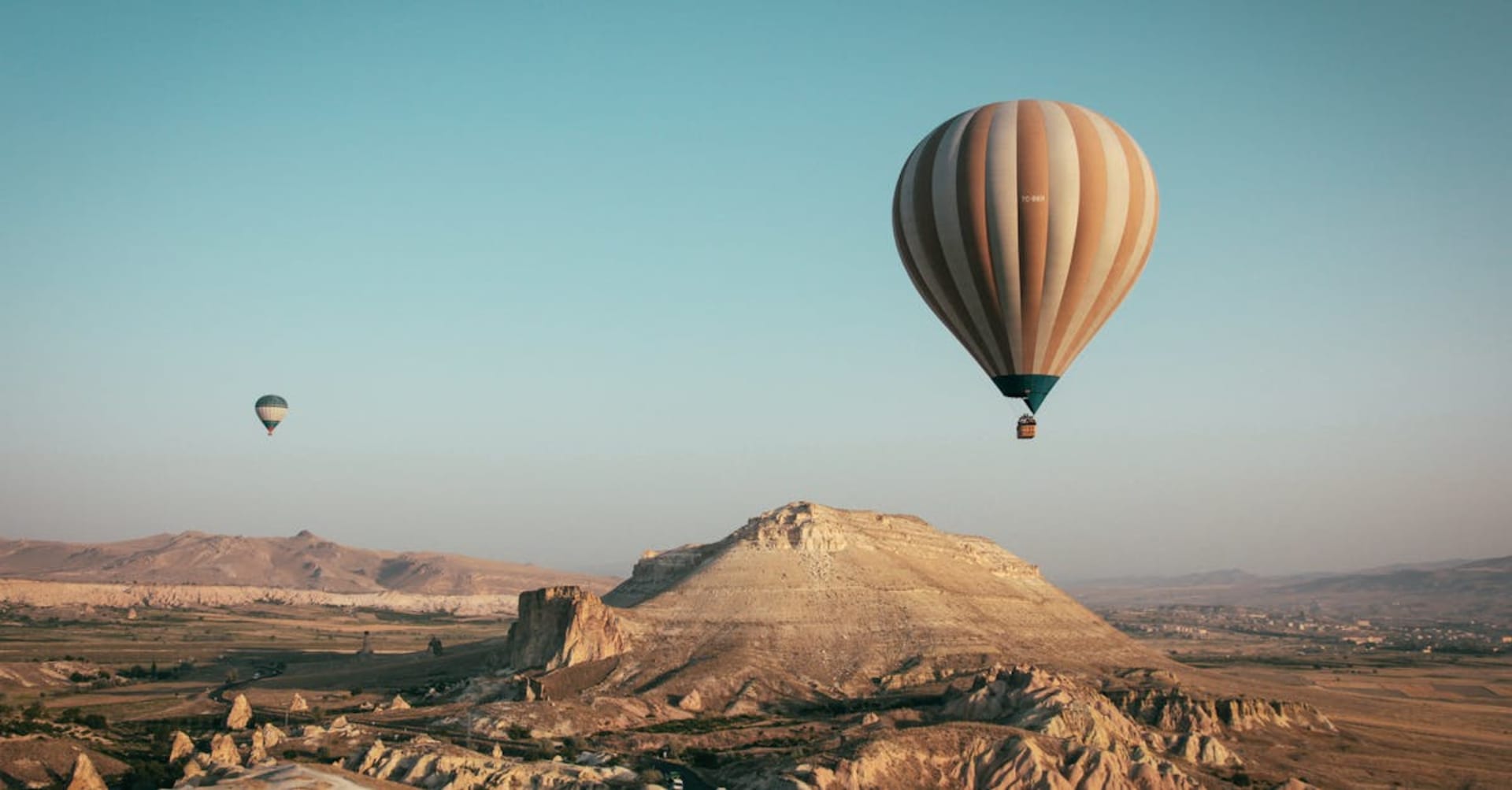
Cappadocia looks like another planet that happens to serve excellent Turkish breakfast. Millions of years of volcanic eruption and erosion carved the soft tufa stone into towers, cones, and mushroom-shaped pillars that early Christians hollowed out into churches, monasteries, and entire underground cities. I have seen photographs of this landscape a hundred times, and every single one of them is a lie — not because they exaggerate, but because no photograph can convey the three-dimensional strangeness of walking through a valley where the rock formations seem to have been sculpted by a civilization that thought in different shapes than ours.
The Goreme Open-Air Museum contains rock-cut churches with frescoes dating to the tenth century, their colors still startlingly vivid in the dim cave light. The Dark Church — Karanlik Kilise — is the crown jewel, its pigments preserved by centuries of soot that kept the light from bleaching them. Standing inside, looking at a Byzantine Christ Pantocrator painted on the ceiling of a room carved from volcanic ash, I felt that particular vertigo that comes from realizing how much human effort has been poured into places the modern world barely notices.
The Balloon Flight
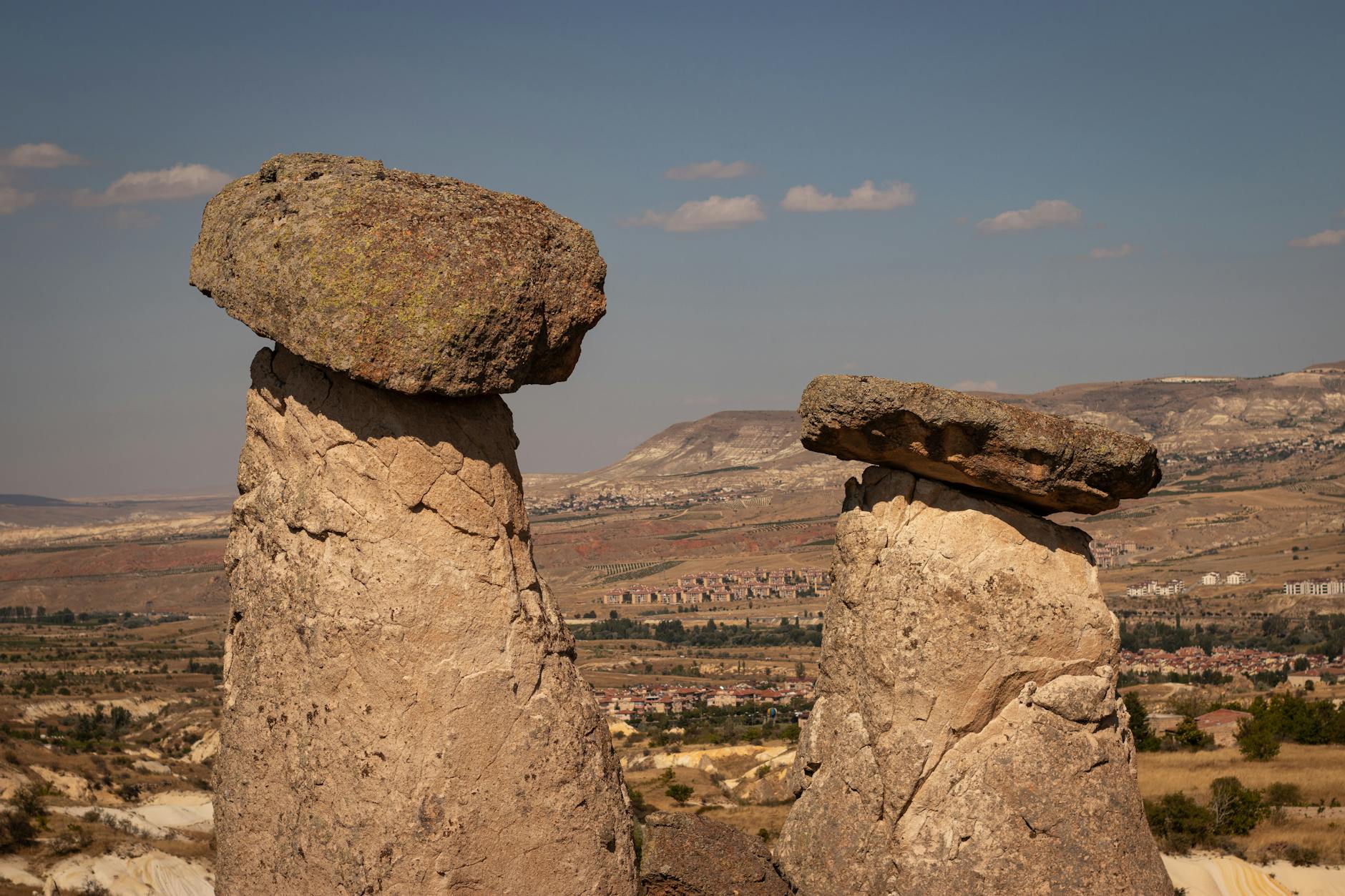
The famous balloon flights at dawn are not overhyped — rising above the valleys as a hundred balloons catch the first light is one of those rare experiences that genuinely exceeds expectation. The pilot took us low through Love Valley, where the rock pillars rose like the spires of a drowned cathedral, then climbed to altitude for a panorama that stretched to the snow-capped peak of Erciyes Dag. The silence is what stays with you — a hundred balloons in the sky and no sound but the occasional blast of the burner and the wind across the basket.
Underground and on Foot
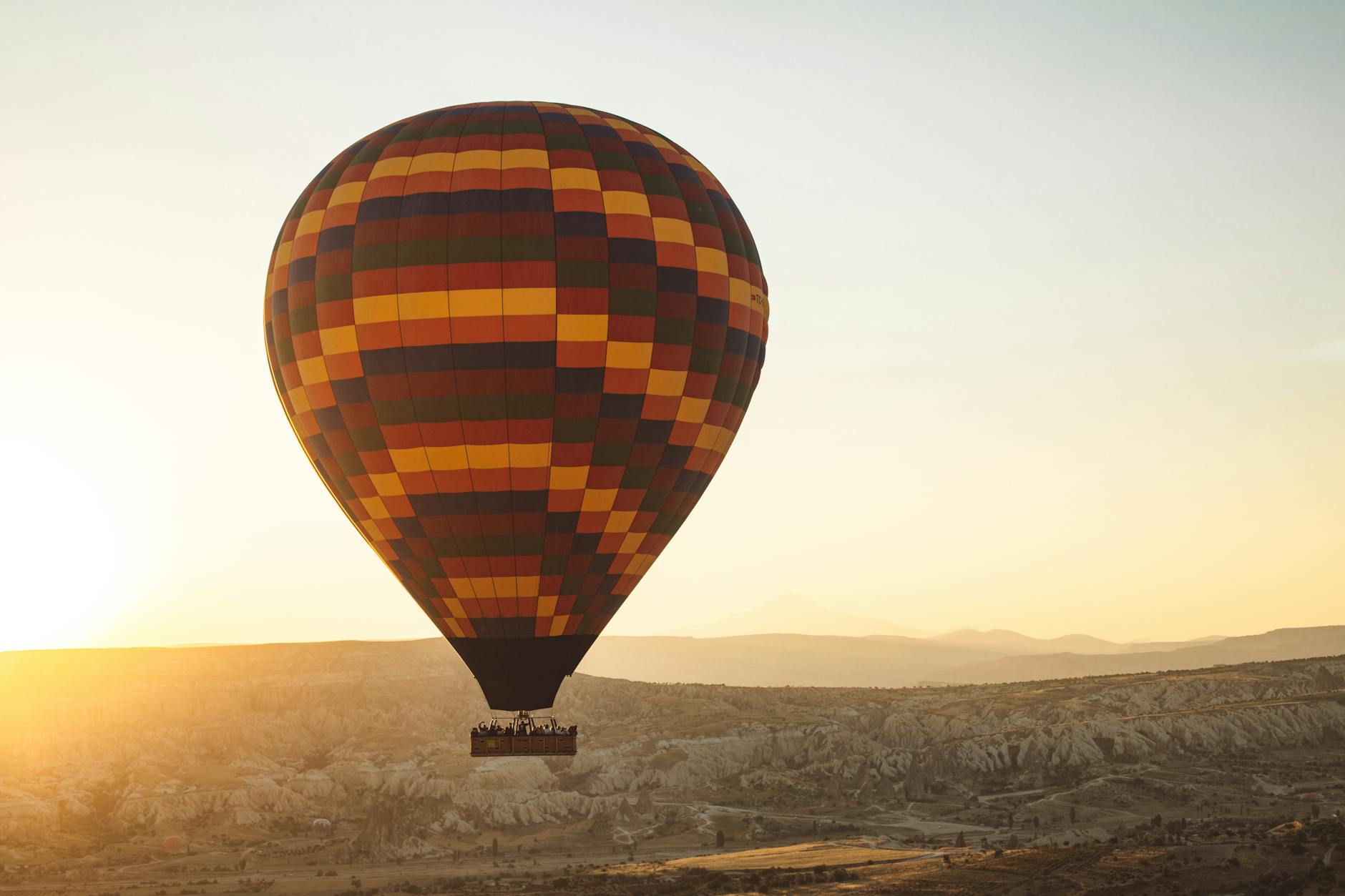
But Cappadocia rewards staying on the ground too. Hike the Rose Valley at sunset, when the rock turns pink and apricot and the path winds through pigeon houses carved into cliff faces. Explore Derinkuyu, an underground city that sheltered twenty thousand people across eight levels — ventilation shafts, wine presses, churches, stables, all carved from the earth by communities who needed to disappear when invaders came and who built a civilization beneath the one that was burning above. Sleep in a cave hotel in Uchisar and wake to a view that has not fundamentally changed in ten thousand years. The breakfast — a spread of cheeses, olives, tomatoes, eggs in copper pans, honey from local hives, and bread still warm — is reason enough to come.
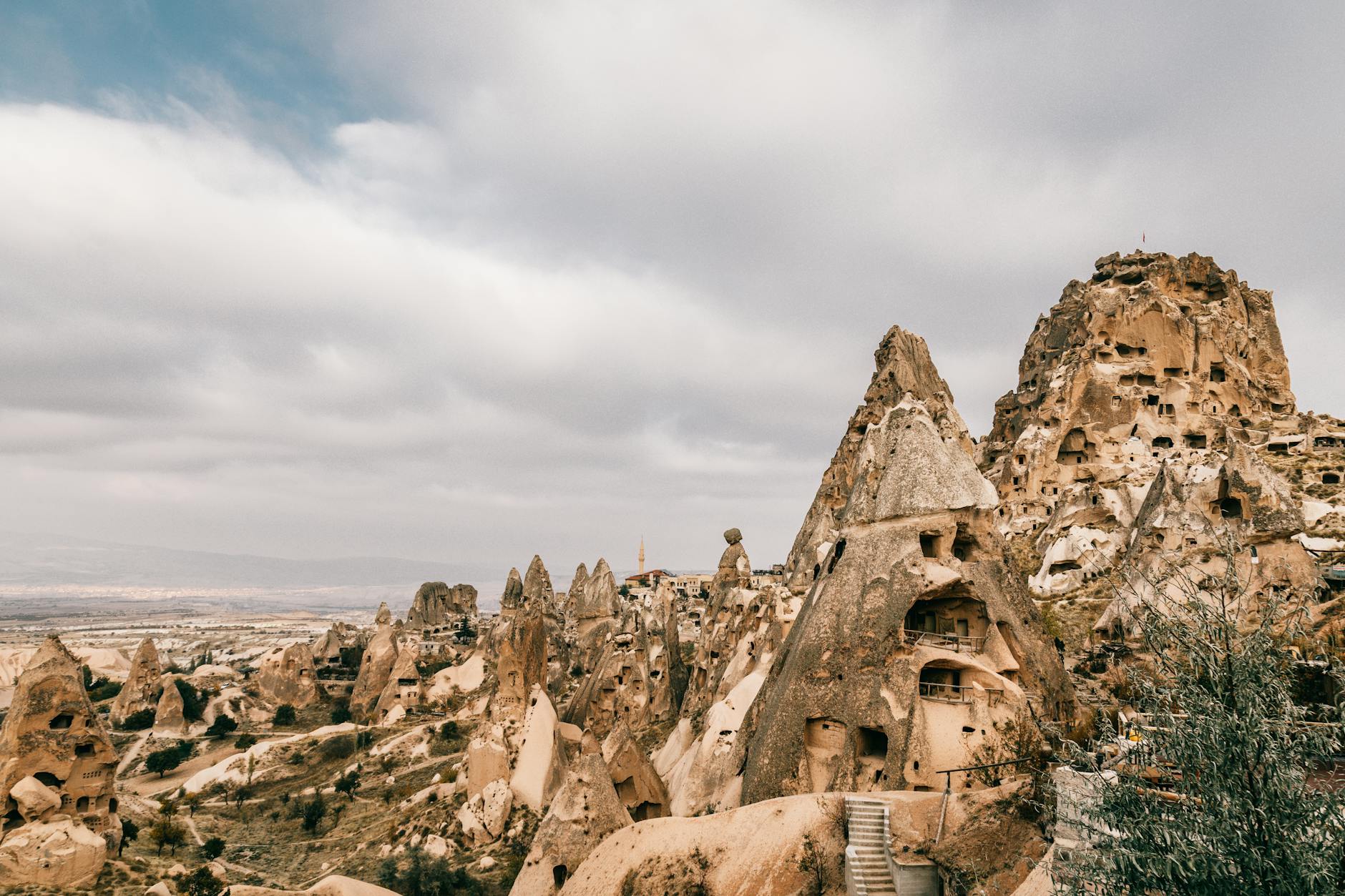
When to go: April to June or September to November. Summer is hot and dusty; winter brings snow that makes the fairy chimneys look like a Christmas village, and balloon flights are less reliable but the landscape in frost is surreal.