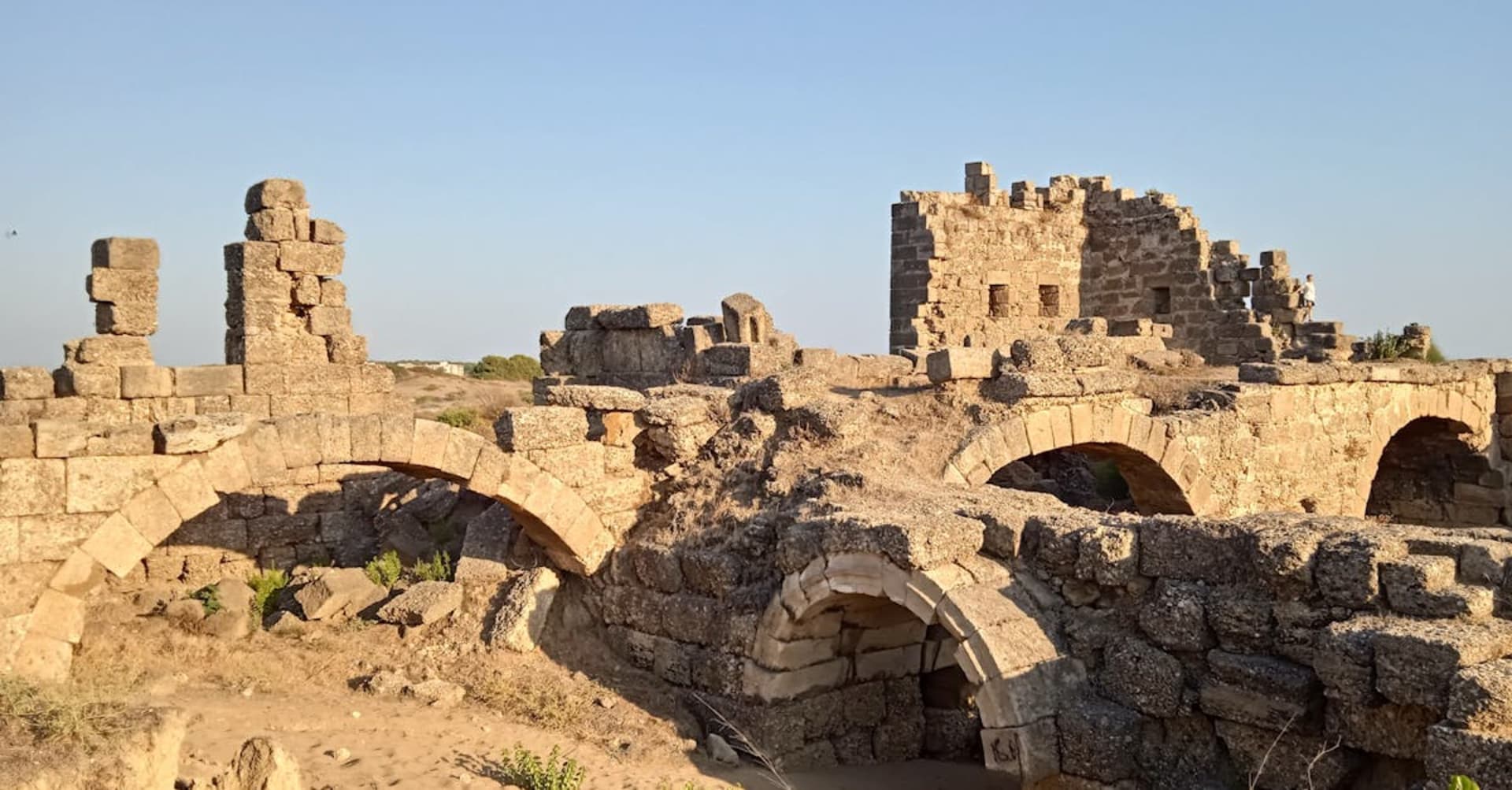
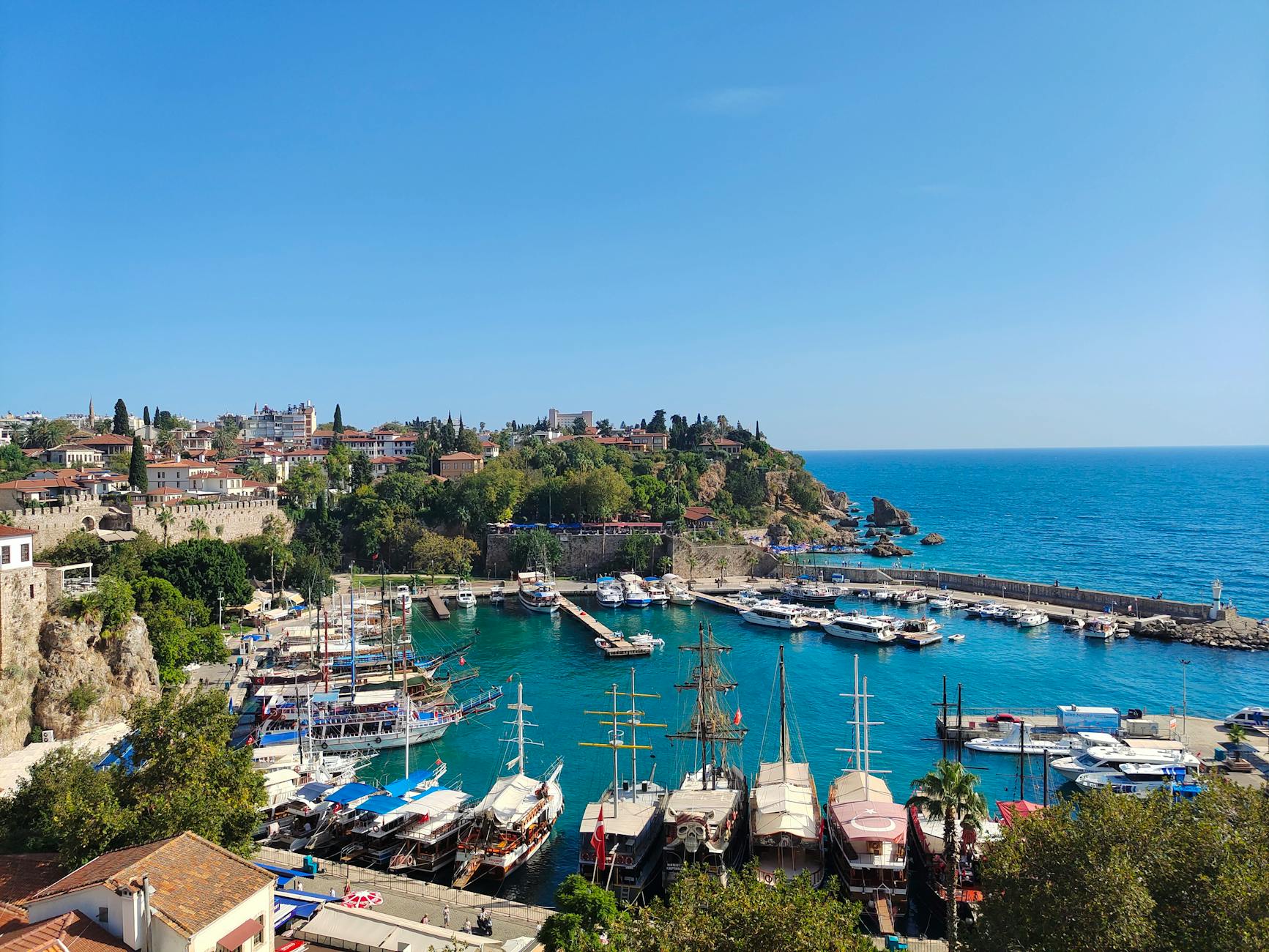
Antalya is the gateway to Turkey’s Turquoise Coast, but it deserves more than a transit stop. I spent four days here when I had planned two, and left feeling I had only scratched the surface. The Kaleici old quarter is a warren of Ottoman-era houses with carved wooden balconies, tucked behind Hadrian’s Gate — a Roman triumphal arch still standing in the middle of modern traffic, still functioning as an entrance, still making every building around it look temporary by comparison. The old harbor below holds wooden gulets bobbing in water so clear you can see the anchor chains on the seabed, and the cliff-top park above offers a sunset that turns the Beydaglari Mountains from green to gold to violet in the space of twenty minutes.
The food in Kaleici surprised me. I had expected tourist fare — overpriced grills and generic meze — but a restaurant owner named Mehmet steered me toward his mother’s mantı, the tiny Turkish dumplings drowned in garlic yogurt and spiced butter, and a piyaz salad of white beans, tahini, and eggs that is Antalya’s signature dish and that I have been trying to recreate at home ever since, unsuccessfully.
The Coast and the Ruins
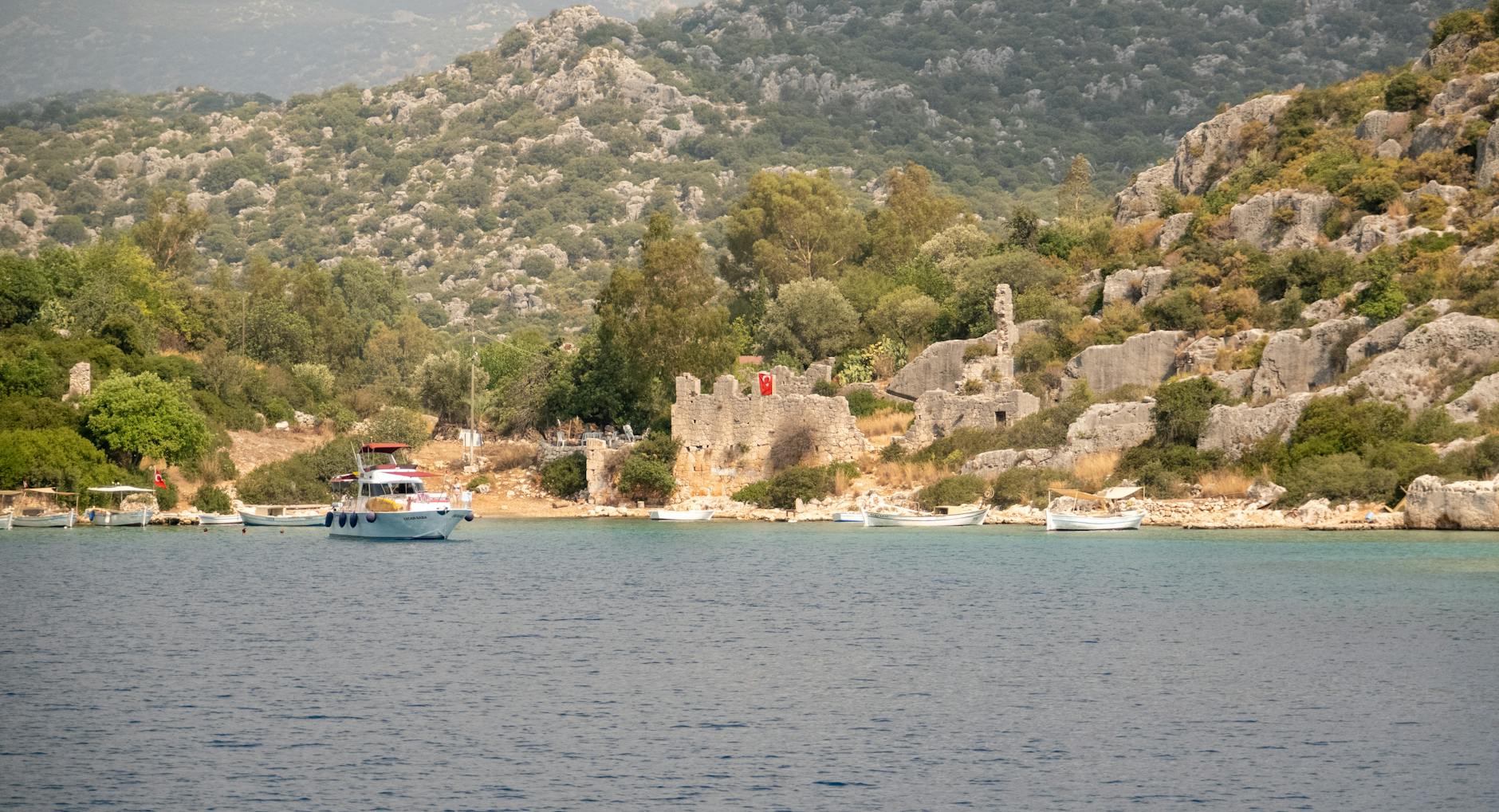
The surrounding coastline is staggering. The Lycian Way, one of the world’s great long-distance trails, starts nearby and traces ancient paths along cliff edges above hidden coves. You do not need to walk all five hundred kilometers — even a day hike from Cirali to the eternal flames of Chimaera, where natural gas seeps from the mountainside and burns in flickering flames that have been alight since antiquity, is enough to understand why this coast was sacred to the ancients.
Konyaalti Beach stretches west of the city beneath mountains that rise to nearly two thousand meters directly from the shore. East of town, the ruins of Perge and Aspendos — the latter housing a Roman theatre so intact it still hosts performances, its acoustics undimmed by two millennia — make the case that this stretch of coast was as prized in antiquity as it is today. The theatre at Aspendos seats fifteen thousand and needs no microphone. I watched a rehearsal from the top row and heard every footstep on the stage.
When to go: May to June or September to October. The Mediterranean climate keeps swimming season long, but midsummer heat can be fierce. Spring wildflowers on the Lycian Way are extraordinary.