Enchanted Rock
"A billion years to make a rock, and about forty minutes to fall in love with it."
A billion-year-old pink granite dome rising out of the Texas Hill Country, and the best sunrise hike Lia and I found near Fredericksburg.
We almost skipped Enchanted Rock. Lia and I had spent the morning in Fredericksburg eating kolaches and debating whether a granite dome eighteen miles up the road was really worth the detour from our Hill Country loop. It was. From the parking lot, the dome doesn’t look like much — a pale pink hump against the scrub oak — but the closer we got, the more it seemed to swallow the horizon. Enchanted Rock is the largest exposed pink granite monadnock in the country, a 425-foot dome that started as magma cooling far beneath the surface roughly a billion years ago, long before Texas was Texas, before there was much of anything at all. Standing at the base of it, hands on the sun-warmed rock, I remember feeling genuinely small in a way I hadn’t in a while.
We did the Summit Trail, the 1.6-mile round trip that everyone does, and it earns its popularity. There’s no real path once you’re on the dome itself — you just pick a line up the bare granite, following faint darker streaks where rainwater has carved shallow channels over the millennia. Lia kept stopping to point out the vernal pools, these small depressions in the rock that fill with rainwater and somehow support their own tiny ecosystems, fairy shrimp and all, in the middle of solid stone. It felt like the whole 5,388-acre natural area was built out of small, strange details like that.
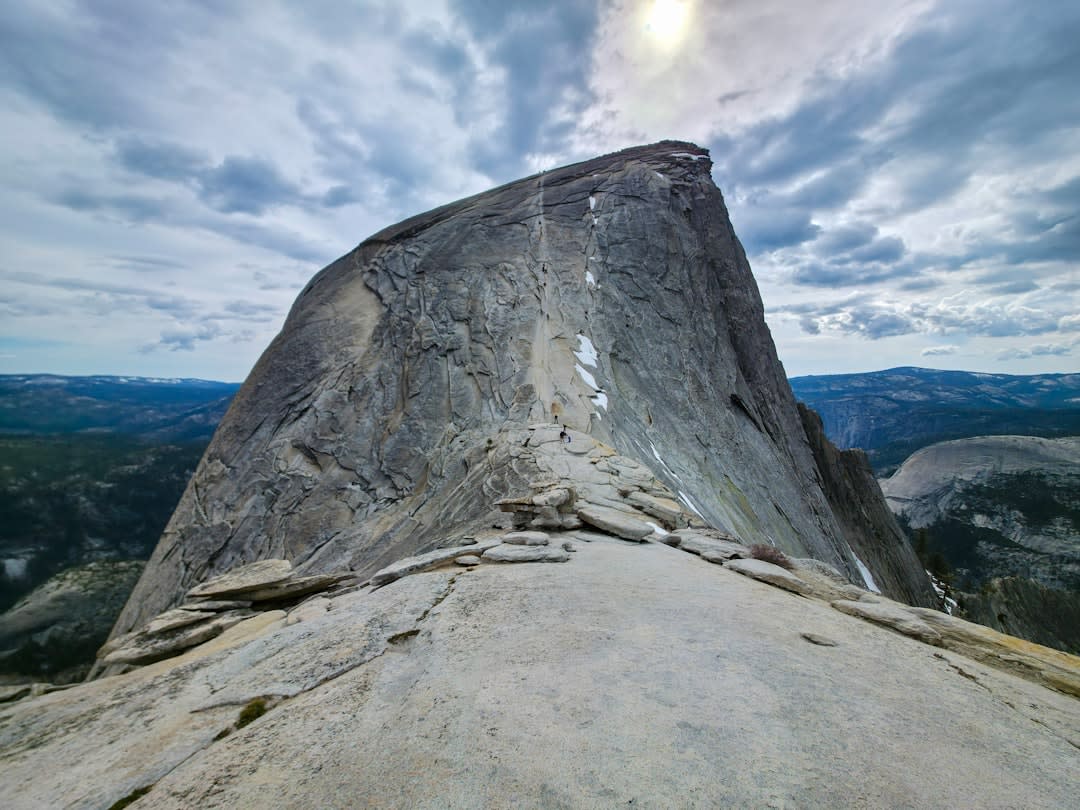
At the top, the wind picks up and the view opens onto Gillespie and Llano counties in every direction — ranchland, other granite domes poking up in the distance, the kind of flatness that makes you appreciate any bump in the landscape even more. I’d read that the park only opened to the public in 1984 under Texas Parks and Wildlife, which surprised me — this rock has clearly been a landmark for a lot longer than that, and you can feel it, this sense that people have been climbing up here and looking out at the same view for a very long time. We sat up there longer than we needed to, sharing a bag of trail mix and not saying much.
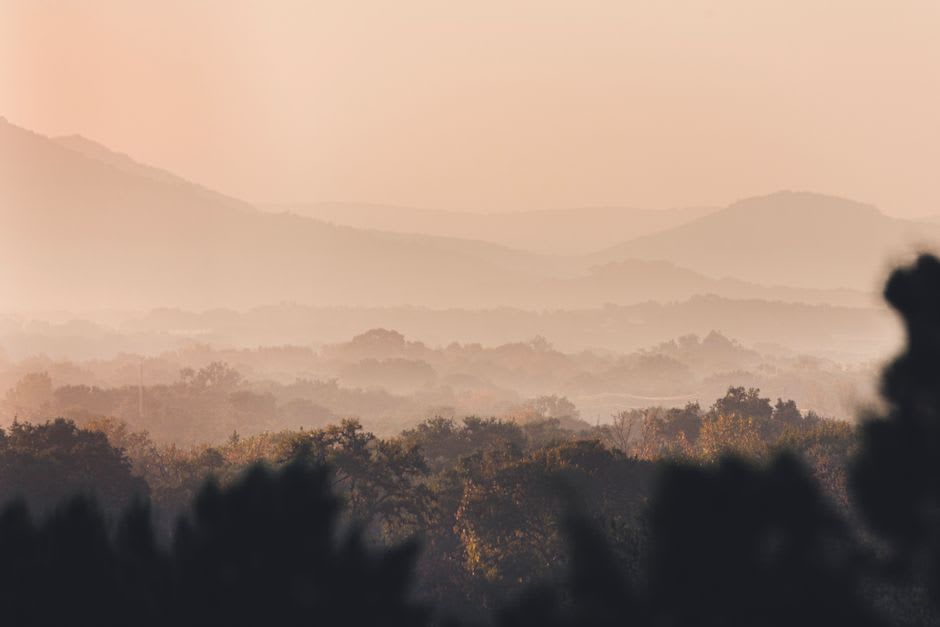
What stuck with me most, though, was hearing that the natural area announced plans in January 2025 to more than double in size, adding over 3,000 acres of adjoining land. It’s rare to see a place this well-loved actually get bigger instead of more crowded. If you’re the caving or climbing type, there’s plenty of that too, and campers can bed down right below the dome and watch it change color as the light fades — something I regret not doing, and will next time.
When to go: We went in early spring, and I’d steer you toward that window too — anywhere from October to April — since the granite holds heat brutally in the Texas summer and there’s almost no shade once you’re on the dome itself.
Keep exploring
More from Texas
 texas
texas Fredericksburg
A Hill Country town where German limestone houses, vineyards, and Admiral Nimitz's story sit side by side under a big Texas sky.
Explore texas
texas Galveston
A Victorian Gulf Coast island that survived a catastrophic 1900 hurricane, rebuilt taller, and preserved an architectural inventory that makes every other Texas beach town look temporary.
Explore texas
texas Texas Hill Country
A limestone plateau west of Austin where German settlers planted vineyards in the 1840s, wildflowers cover the roadsides every spring, and the rivers are cold enough to be a minor shock in July.
Explore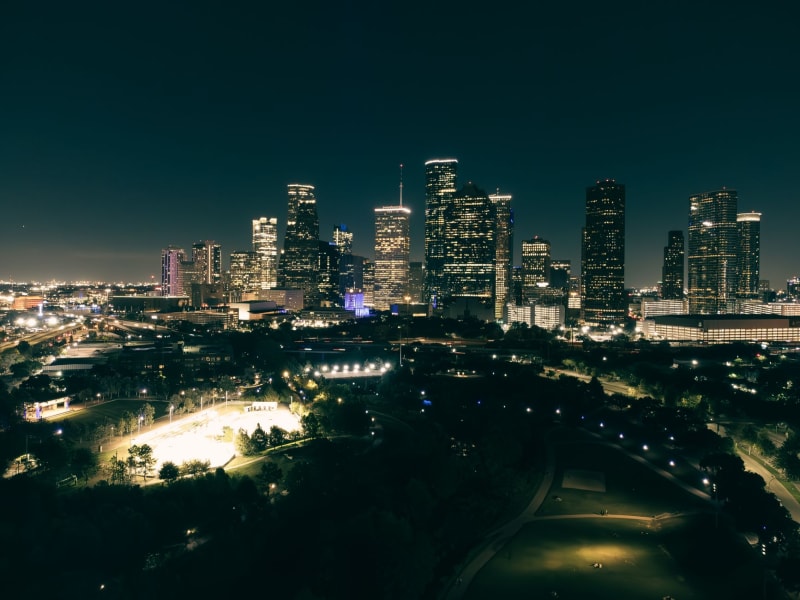 texas
texas Houston
The most genuinely international city in the American South, with a food scene that reflects 145 languages spoken within city limits.
Explore texas
texas Marfa
A Chihuahuan Desert railroad town that became a contemporary art pilgrimage site and somehow hasn't lost the quality that made it worth the drive.
Explore texas
texas Palo Duro Canyon
The second-largest canyon in the United States, a thousand-foot red gash in the flat Texas Panhandle that almost nobody outside the state seems to know exists.
Explore