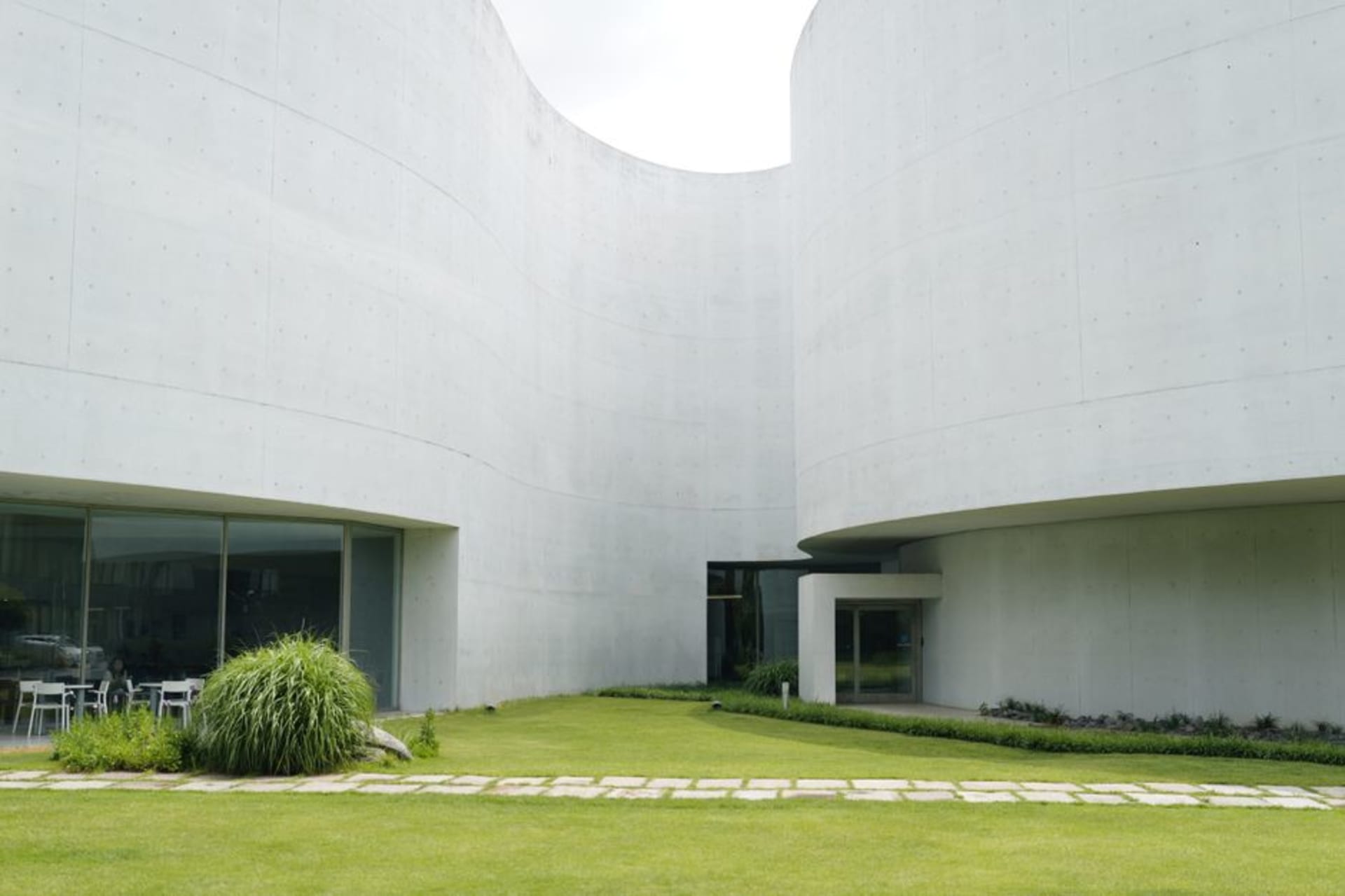
Guandu
"Guandu is where Taipei stops being a city and starts negotiating with a river, and the birds seem to prefer it that way."
Taipei's oldest temple and a wetland nature reserve where the city quietly gives way to mangroves and migratory birds.
We came to Guandu on a whim, following a boardwalk marked on a map Lia had picked up at a visitor center days earlier and forgotten about until our last free afternoon in the north. It turned out to be the best unplanned decision of the trip: a place where the MRT line simply runs out, the apartment blocks thin, and the city gives way to tidal mangrove and open river.
A Temple Older Than the City Around It
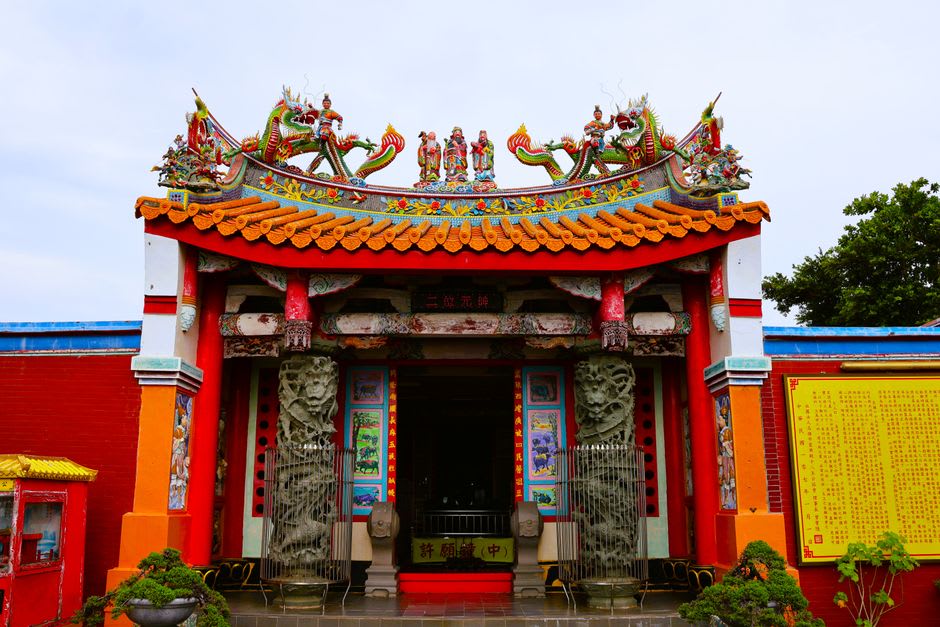
Guandu Temple sits on a small hill above the water, dedicated to Mazu, the sea goddess, and dates back to the 1650s — older than Taipei itself, built by settlers who needed the protection of a sea deity before they trusted the land. The temple complex spirals upward through several tiers of shrines carved directly into the hillside, culminating in a cave-set altar you reach by a narrow stone passage that feels closer to a grotto than a place of worship.
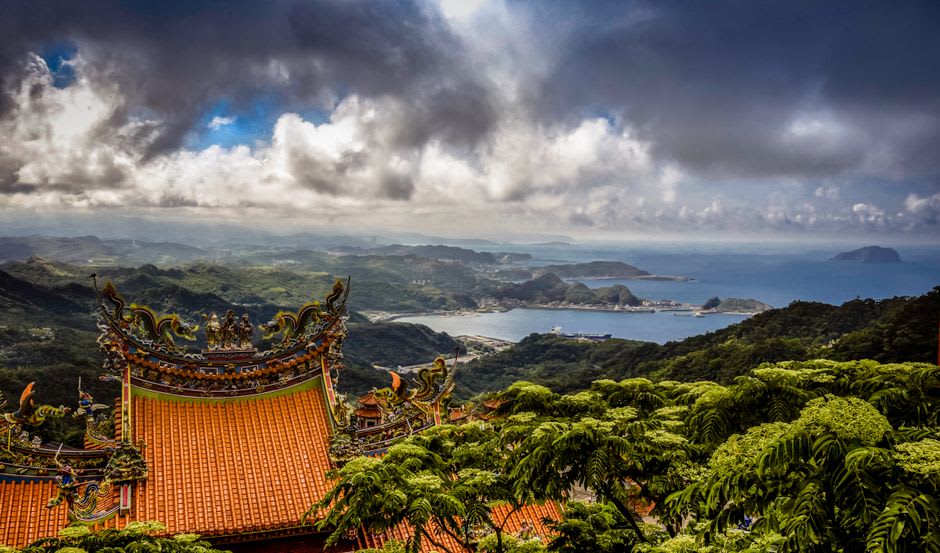
From the temple’s upper terrace, the view opens onto the confluence where the Tamsui and Keelung rivers meet — a wide, flat expanse of water, mudflats, and mangrove that looked, in the late afternoon haze, more like a delta in a different country entirely than anything I associated with Taipei.
The Nature Park and Its Herons
Below the temple, the Guandu Nature Park protects one of the last significant wetlands inside the city limits — mudflats, reed beds, and a network of raised boardwalks built specifically so visitors do not disturb the birds. We rented binoculars at the small visitor center and spent an hour moving slowly along the walkways, watching black-faced spoonbills and grey herons work the shallows with a patience that put our own itinerary to shame.
A volunteer guide, noticing Lia struggling to focus the binoculars, spent a full ten minutes talking us through the difference between the resident egrets and the migratory spoonbills that only appear between autumn and early spring, with the quiet enthusiasm of someone for whom this was clearly not a job so much as a devotion.
When to go: Late autumn through winter (November–February) for the migratory bird season, when the wetland fills with species that skip Taipei entirely the rest of the year. The temple is worth visiting any time, though early morning avoids both heat and crowds.