Fongchuisha
"The name translates to Wind-Blowing Sand, and the wind does not exaggerate its own reputation."
Wind-Blowing Sand — a pale mudstone badlands on Kenting's Pacific coast, carved bare by decades of relentless monsoon wind.
Fongchuisha means, more or less, “wind-blowing sand,” and it is one of the rare Taiwanese place names that functions as an actual warning label. We arrived on a clear, calm morning by Kenting standards and were still nearly knocked off balance stepping out of the car, the wind funneling directly off the Pacific through a gap in the coastal hills with a force I hadn’t felt anywhere else on the peninsula.
A Landscape the Wind Built
The terrain here is a badlands of pale, almost bone-white mudstone, stripped of vegetation and carved into steep gullies and ridgelines by decades of that same unrelenting wind working alongside seasonal rain. It looks incongruous next to the tropical greenery elsewhere in Kenting National Park — closer to something you’d expect in a high desert than a coastline a short drive from coral reefs and palm trees. A wooden boardwalk and viewing platform let you look out over the erosion without contributing to it further, since the mudstone is soft enough that footsteps alone would accelerate the damage.
Standing in the Wind on Purpose
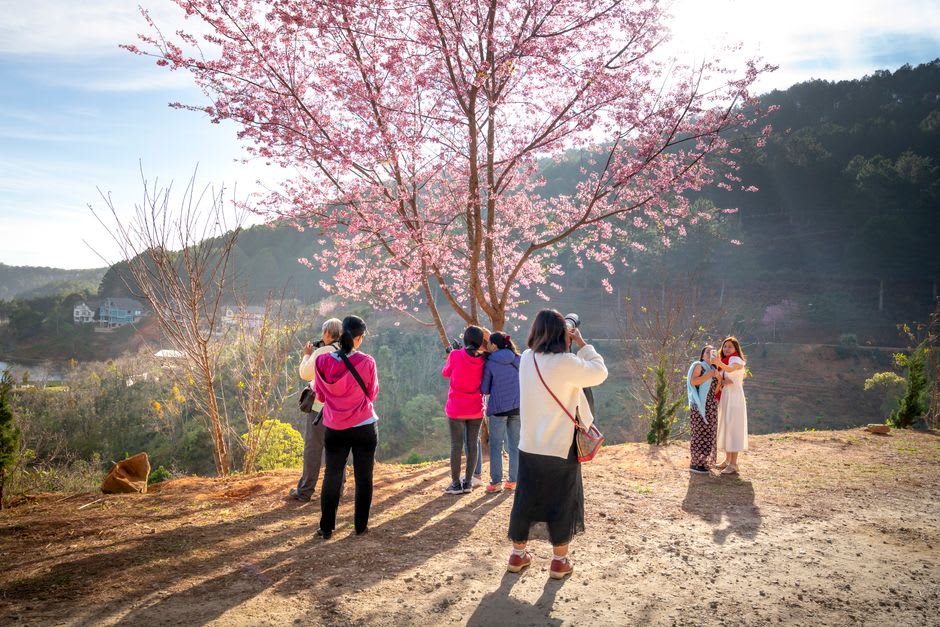
Lia’s hair was doing something close to horizontal within a minute of getting out of the car, and neither of us could hold a proper conversation without raising our voices over the sound of it moving through the gully below the platform. It’s an oddly bracing kind of tourism, standing somewhere specifically because the wind is famous, rather than despite it. From the main viewpoint you can see the badlands drop away toward a strip of dark sand beach and then the open Pacific, blue-grey and choppy on the day we visited, matching the mood of the terrain above it.

We didn’t stay long — fifteen minutes of wind like that is enough for most people — but it’s a genuinely different texture of landscape than anything else on the Hengchun Peninsula, and worth the short detour off the main coast road.
When to go: Any time of year technically works, since the wind is a near-constant feature, but winter monsoon months (November to March) bring the strongest and most dramatic gusts.