I had spent a week eating dust on the northern safari circuit, and by the time we reached Saadani I was a little tired of the word “iconic.” Lia, sensibly, had booked us somewhere that refused to behave like a postcard. Saadani is the strange one — the only national park in Tanzania that runs straight into the Indian Ocean — and that single geographic accident makes it unlike anywhere else I have been on the continent. You go to bed listening to surf and wake up to baboons stealing fruit off the breakfast table. The bush and the sea are not next to each other here. They are tangled together.
Where the Elephants Meet the Tide
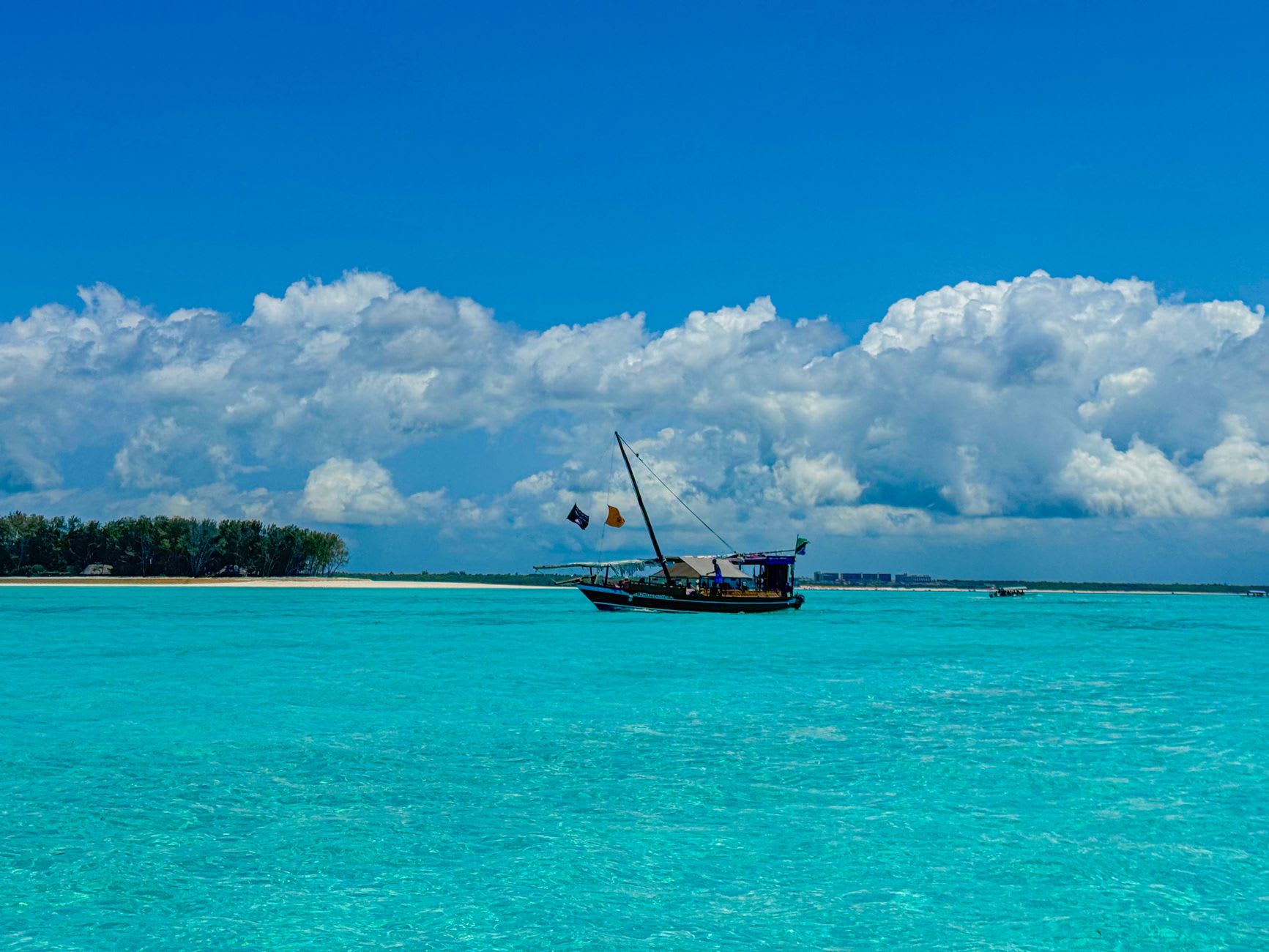
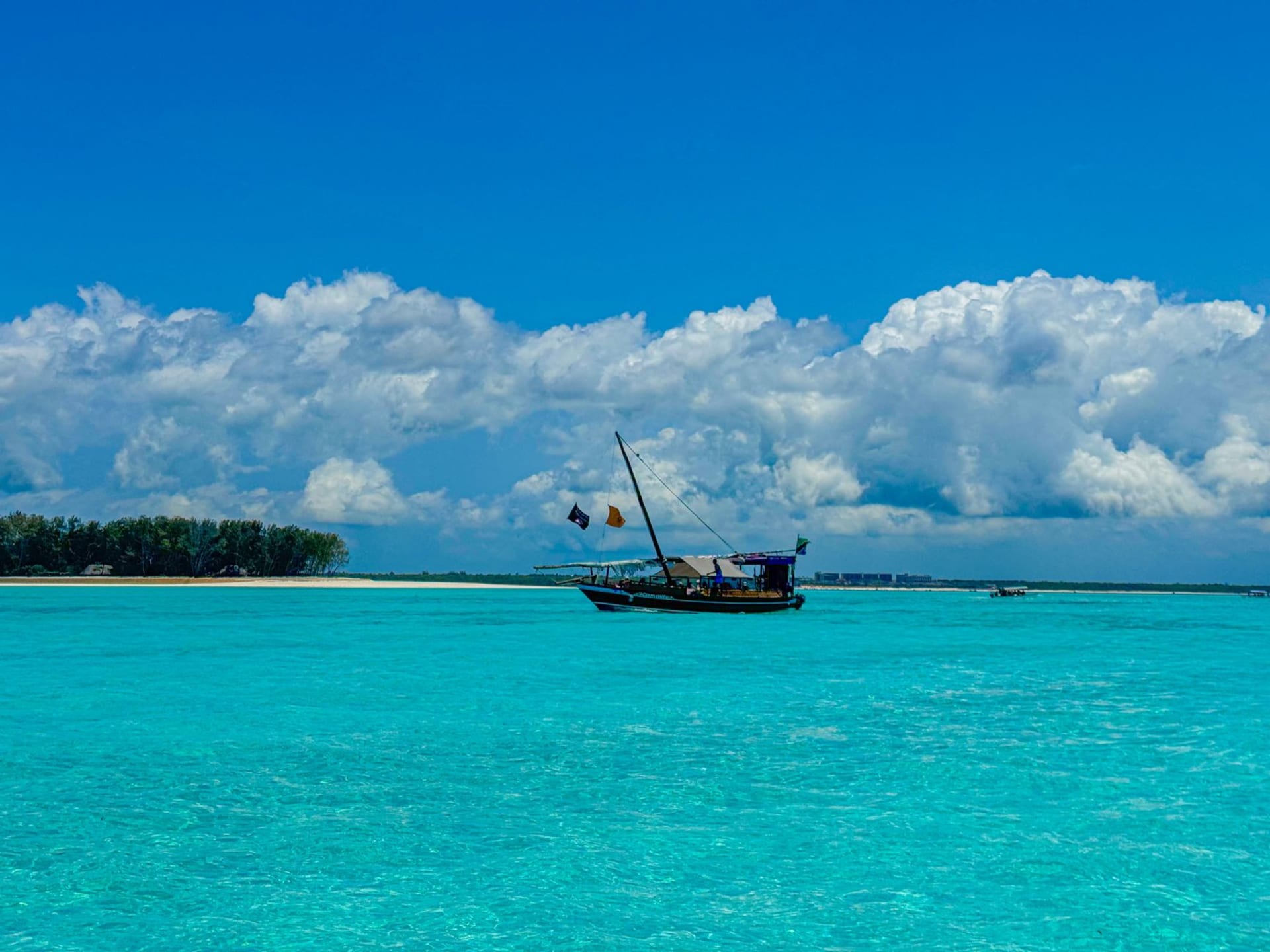
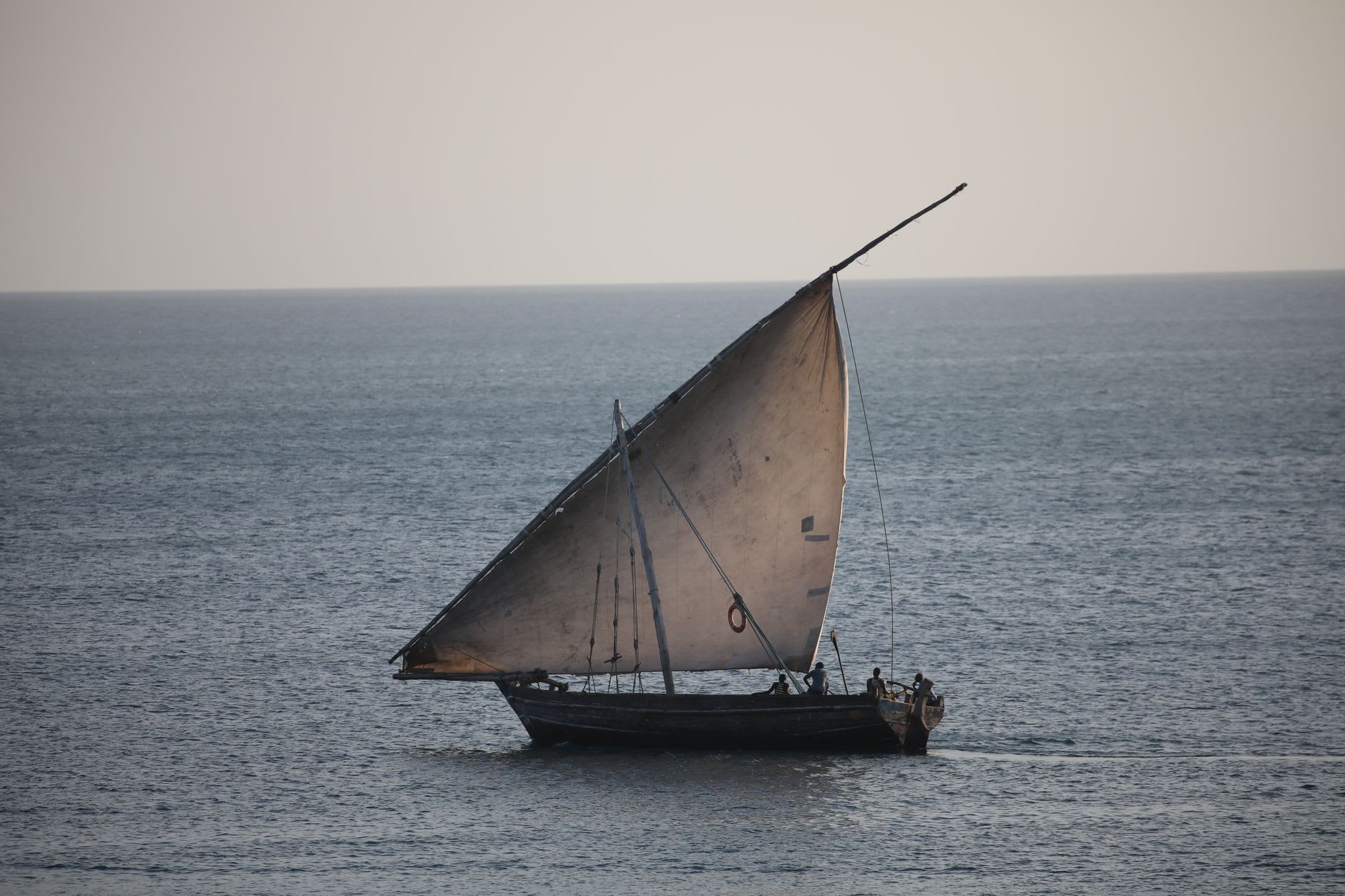
The promise everyone repeats about Saadani is that you can see elephants on the beach, and I assumed this was the usual tourism-brochure exaggeration. It is not. On our second morning, the guide cut the engine on a sandy track and pointed, and there they were — a small breeding herd ambling along the tideline, the youngsters skittering at the foam, the matriarch entirely unbothered by the ocean roaring twenty meters away. I have no good explanation for why this rearranged something in my head, but it did. An elephant belongs to red earth and acacia in my imagination, not to a strip of white sand with a fishing dhow drifting past on the horizon. Saadani simply ignores my imagination.
The park is not dense with game the way the Serengeti is. You work for your sightings here — giraffe picking through coastal scrub, a lone buffalo, the occasional lion that locals discuss in lowered voices. But the reward is space and silence. We went hours without seeing another vehicle. After the convoy energy of the famous parks, that emptiness felt like a gift I hadn’t known I needed.
The Wami River and a Slow Afternoon
The real highlight, for me, was the boat trip up the Wami River, which winds through the park to its mouth on the ocean. We drifted past hippos sunk to their eyeballs, crocodiles arranged like driftwood on the banks, and a riot of birds — fish eagles, kingfishers, herons stalking the shallows with theatrical patience. Where the river finally spills into the sea, green mangrove gives way to blue water in a line so clean it looks designed. Our guide cut the motor and let us hang there in the current, and nobody spoke. Lia, who narrates everything, said nothing for a full ten minutes, which is how I knew it was good.
Afterward we ate grilled fish at the lodge, the kind caught that morning by men from the nearby village of Saadani, an old Swahili settlement with the ghost of a slaving past it would rather forget. That weight sits under the beauty here, and I think it should.
Going There
Getting to Saadani is half the character of the place — a small plane from Dar es Salaam, or a long bumpy drive that filters out the casual crowd. Come in the dry season, June through October, when the tracks are passable and the animals gather near water. Bring patience instead of a checklist. Saadani does not perform. It just keeps doing its quiet, improbable thing — bush and ocean braided together — whether or not you bothered to show up.