Nuwara Eliya
"We picked tea leaves at dawn and drank them by mid-morning — the freshest cup imaginable."
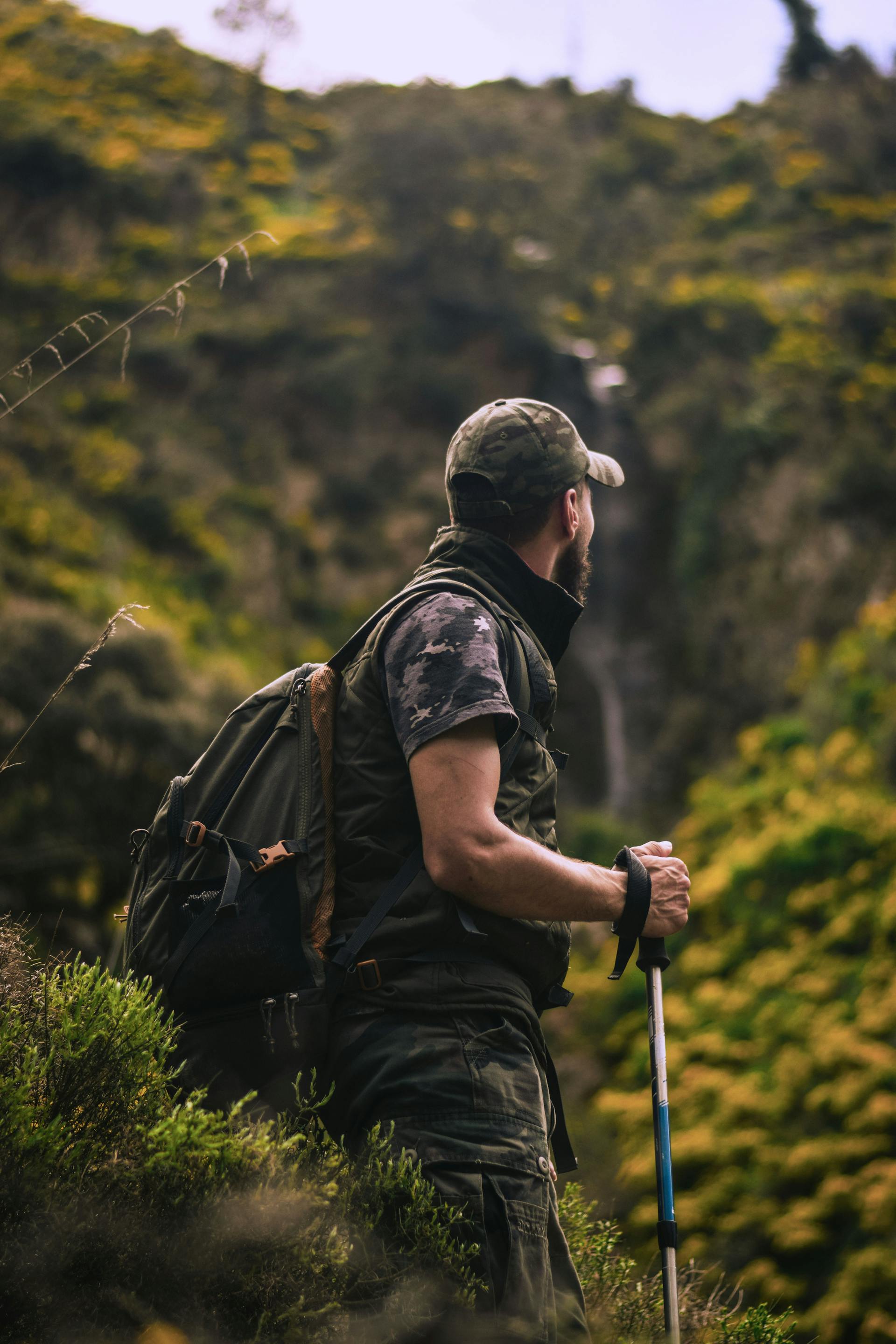
Nuwara Eliya sits at 1,868 metres in the heart of Sri Lanka’s tea country, and the first thing that happens when you arrive is that the air changes. After days of coastal humidity that presses on you like a warm, wet cloth, the cool of the hill station feels like a gift — the kind of physical relief that recalibrates your entire mood. I stepped off the bus, zipped up a jacket for the first time since arriving in Sri Lanka, and stood in a town that looked like the British Raj had collided with a tropical garden and decided to stay.
The British built Nuwara Eliya as a hill station retreat in the nineteenth century, and the echoes are everywhere. The Tudor-style post office still functions, stamps sold through a wooden window. The Hill Club, with its dress-code dining room, leather armchairs, and snooker table, admits visitors for dinner if they wear a jacket — I borrowed one from the reception desk, ate roast lamb in a room lined with hunting prints, and felt like I had slipped through a fold in time. The racecourse, where colonial officers once watched their horses run, now hosts the Sinhala New Year celebrations in April, the grandstands filled with families instead of empire.
The tea estates are the real draw. We visited Pedro Tea Factory, a working facility that has been processing tea since 1885, and watched the entire cycle — withering, rolling, fermenting, drying, sorting — that turns a green leaf plucked at dawn into Ceylon’s most famous export. The factory smells of tannin and dried grass and something sweet that has no name. The women who pick the tea work the slopes in bright saris, carrying baskets that hold more than their own bodyweight, moving through the rows with a speed and precision that made my hands look clumsy when I tried to pick a single leaf. The cup at the end of the tour — freshly processed, served black with no sugar — tasted like the landscape: bright, green, and alive with a clarity that no box of Ceylon tea in a supermarket has ever achieved.
The surrounding countryside rewards slow mornings. Gregory Lake, bordered by gardens and rowing boats, sits in a valley below the town. Victoria Park, once the private grounds of a colonial governor, holds old-growth trees and endemic birds — the Sri Lanka white-eye, the yellow-eared bulbul — that birdwatchers travel from across Asia to see. The waterfalls near the town — Lovers Leap, St Clair’s, Devon — pour through breaks in the tea-covered hillsides with a force that you hear before you see.
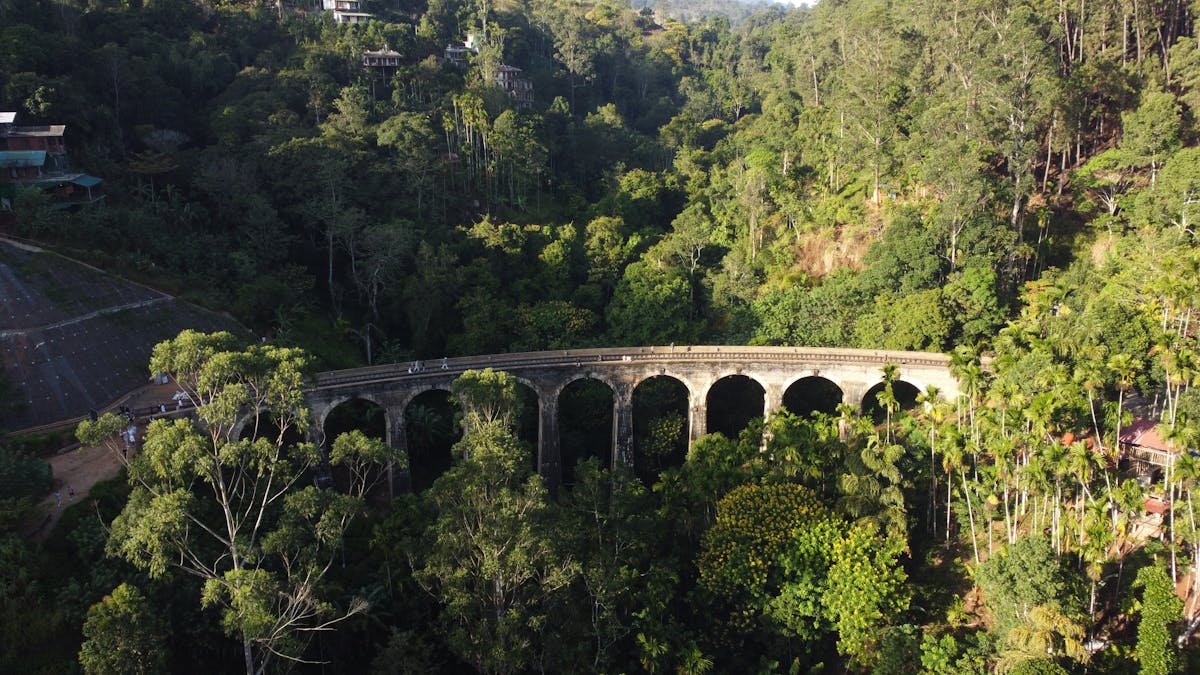
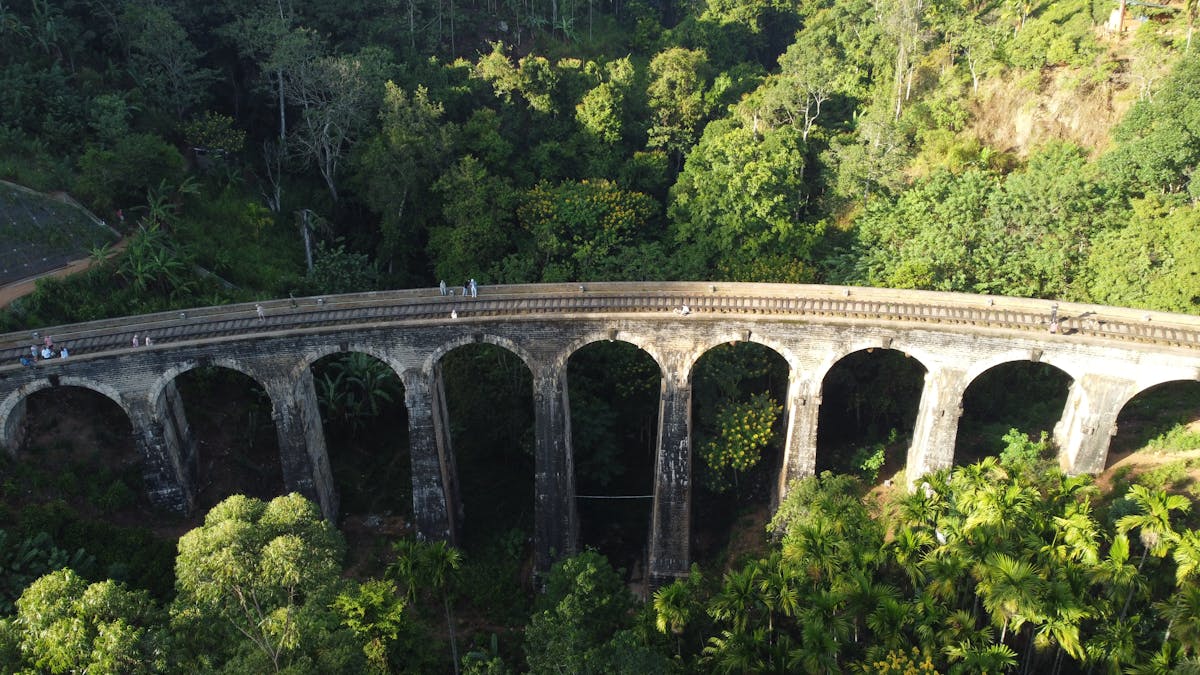
The train journey from Kandy passes through here, and many travellers treat Nuwara Eliya as a stop along the way to Ella. That is a reasonable plan, but it misses something. The early morning, when mist sits in the tea valleys and the only sound is the distant clip of shears and the call of barbets in the forest, is a mood that Sri Lanka does not offer anywhere else. It is cold enough for a sweater, quiet enough for thought, and beautiful enough to make you wonder why hill stations ever fell out of fashion.
When to go: January to April is driest and warmest, though warm here means 20 degrees Celsius during the day and single digits at night — pack layers. The Sinhala New Year in April is celebrated with particular enthusiasm in Nuwara Eliya, with horse racing, car rallies, and a carnival atmosphere that fills the town. The train from Kandy passes through daily — an essential Sri Lankan experience that deserves its own seat reservation.