Mirissa is where Sri Lanka does beach life best, and it does it with a simplicity that more developed coastlines have lost. The bay curves in a perfect crescent of golden sand, palm trees lean at angles that suggest they are showing off, and the surf is gentle enough for swimming but interesting enough for beginners who want to feel like they are doing something. I arrived from Galle on a local bus that cost less than a dollar, dropped my bag at a guesthouse fifty metres from the sand, and did not put shoes on for three days.
Coconut Tree Hill — a small headland crowned by a cluster of palms — has become the town’s signature viewpoint, and I understand why. The sunset from there is reliably spectacular, the palms silhouetted against colours that would look manipulated in a photograph but are simply what the sky does here every evening. We sat on the rocks with a group of Sri Lankan families and a few travellers, everyone facing west, nobody talking much, which is the correct response to a sunset that good.
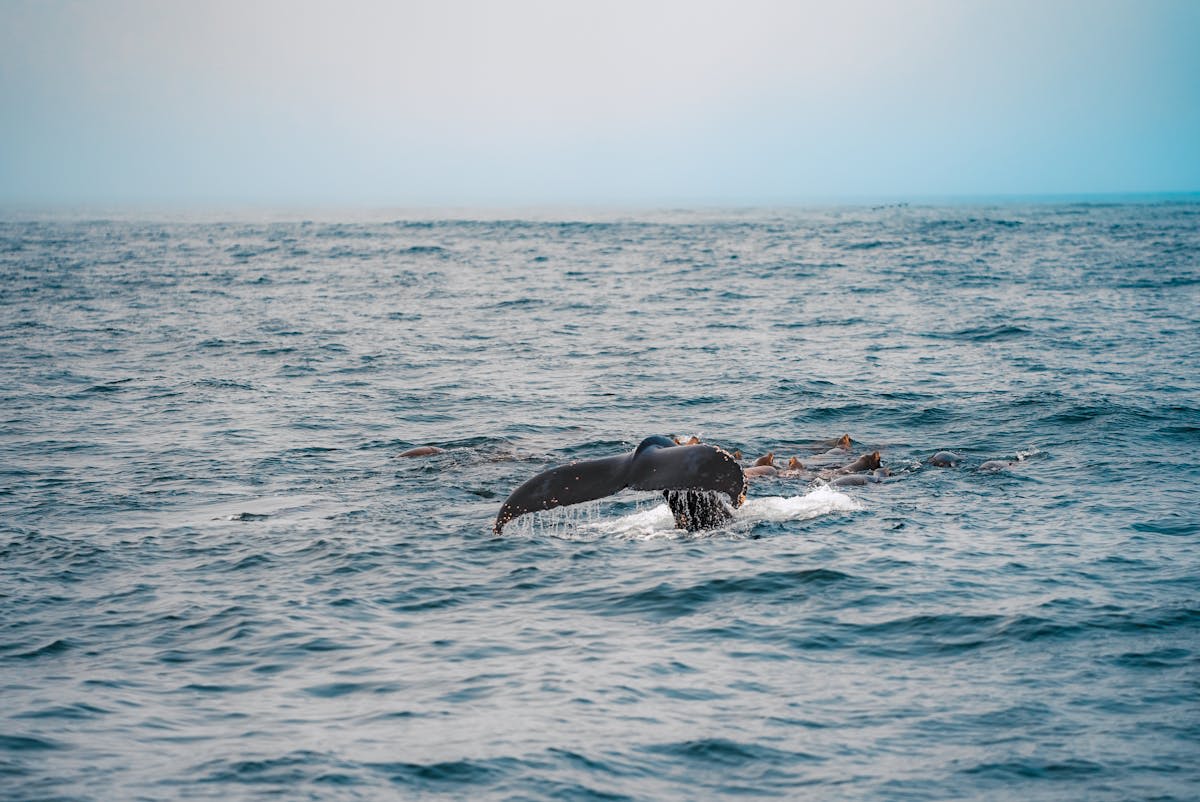
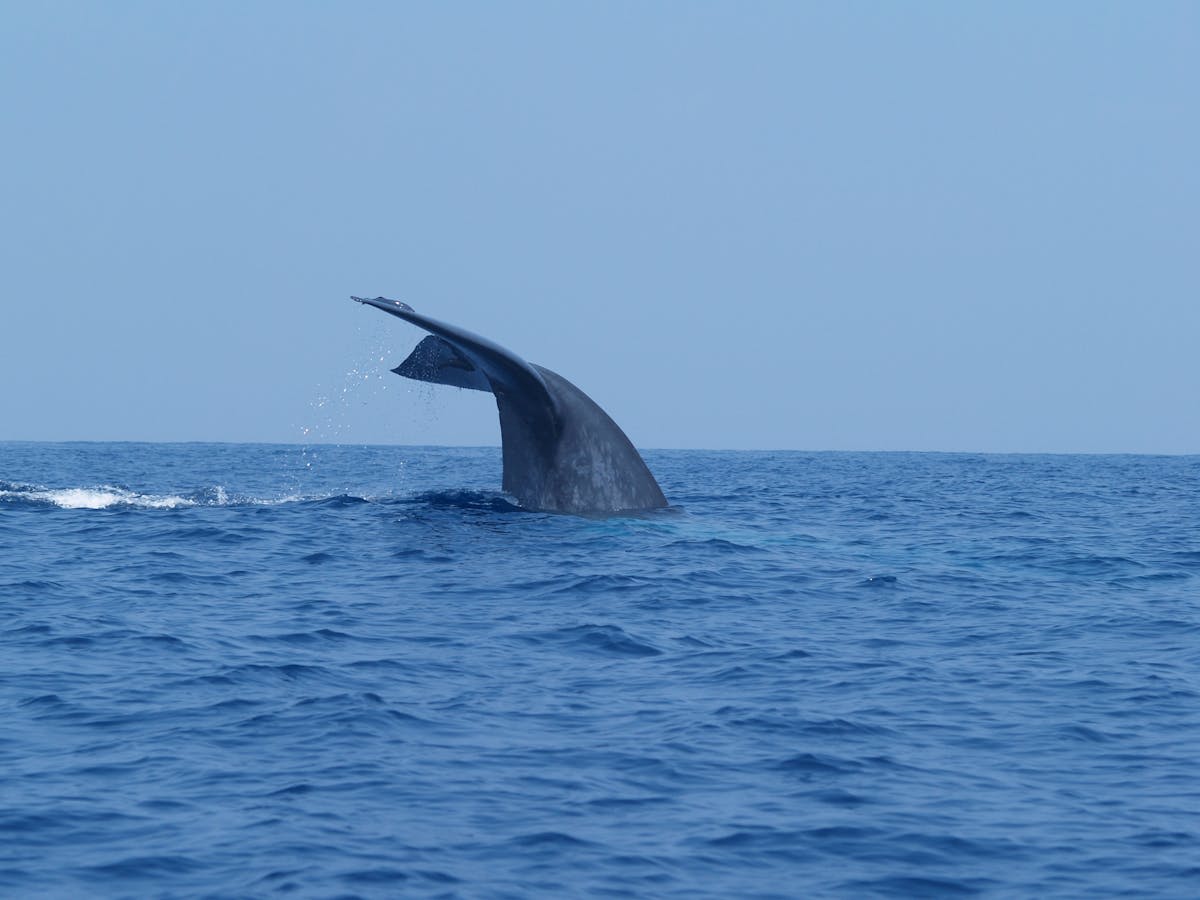
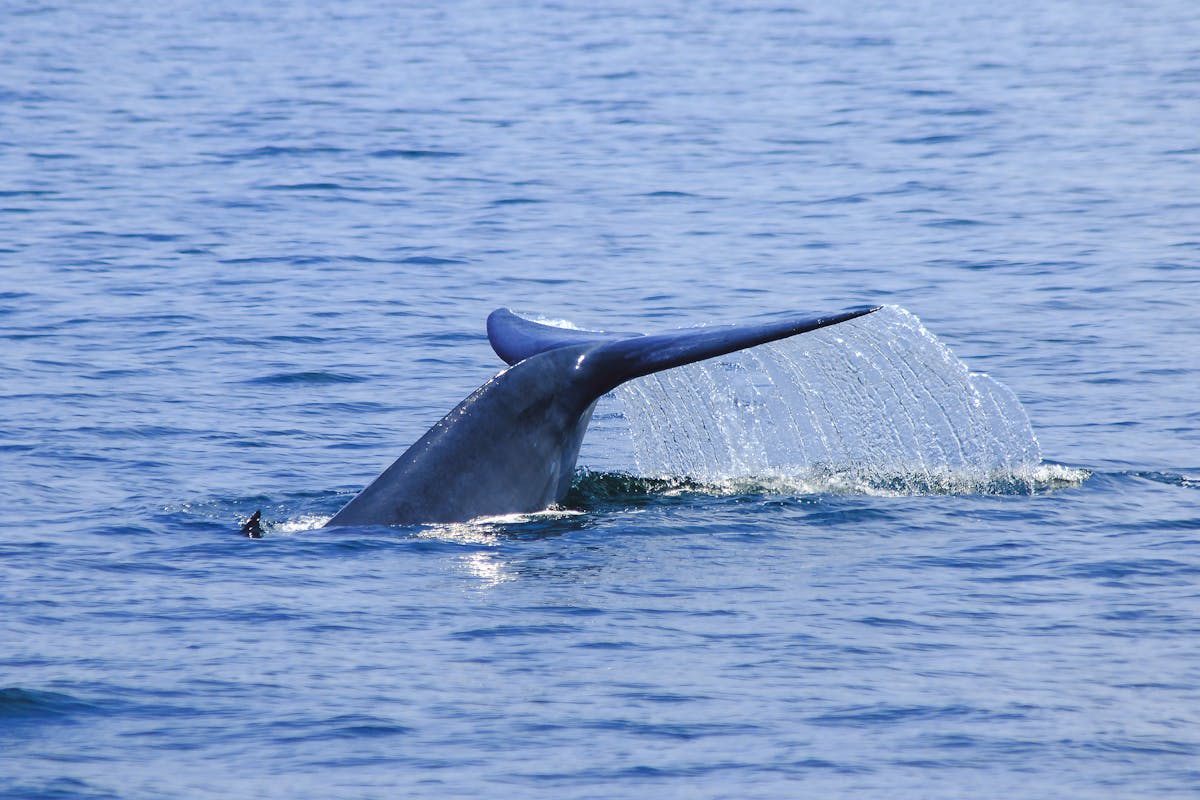
But the extraordinary thing about Mirissa is what happens offshore. Between November and April, blue whales — the largest animals that have ever lived on this planet, larger than any dinosaur — migrate through the waters just south of the coast. We took a morning boat trip at 6am, the ocean still grey and flat, and within an hour the first blow appeared: a vertical column of spray visible from a kilometre away, followed by the slow surfacing of a back so vast it looked like a submarine. We saw three blue whales that morning. Each one surfaced, breathed, and dove with a flick of a tail fluke the width of a small aeroplane wing. Spinner dolphins accompanied us in pods of hundreds, leaping in synchronised arcs that seemed to be performed purely for joy.
The experience of being on a small boat in the presence of the largest animal that has ever existed is humbling in a way that the word humbling was invented for. The whale does not care about you. It is engaged in something — feeding, migrating, living — that predates human civilisation by millions of years, and your presence is as relevant to it as a floating leaf. I sat in the bow afterward, salt-sprayed and silent, and felt the specific gratitude of having witnessed something that most people only see in documentaries.
Back on land, the rhythm is elemental. The fish market at dawn is a chaos of tuna, swordfish, and prawns laid on ice while buyers negotiate prices that change with the catch. By evening, the beachfront restaurants serve that same fish — grilled, curried, or fried — at tables in the sand with candles and the sound of waves. The nightlife is mellow: a few beach bars with fairy lights and reggae, cold Lion lagers, conversations with people from twelve different countries who all ended up here for the same reason.
When to go: November to April for dry weather and whale watching. Peak whale season is February and March, when sightings are nearly guaranteed. The beach is swimmable year-round but monsoon months of May to September bring rough seas and many places close. Book whale watching trips a day ahead in peak season — the reputable operators limit passenger numbers.