Colombo is the kind of city travellers used to skip, and that was a mistake. For years the capital was treated as a necessary evil — the airport is nearby, the traffic is legendary, the guidebooks told you to get to Kandy as fast as possible. I nearly did the same. But a friend who had lived in Sri Lanka for three years told me to give Colombo two nights, and those two nights became four, and I still think about the isso wade I ate on the Galle Face promenade while kites rose into the pink evening sky and the Indian Ocean turned the colour of bruised plums.
The city has transformed. The old Dutch Hospital compound, once a crumbling colonial relic, is now a dining precinct where you can eat Sri Lankan crab that requires a bib and a disregard for dignity. The Pettah market remains a glorious sensory assault — spices stacked in pyramids, textiles cascading from second-floor windows, electronics vendors shouting prices that are always negotiable. I spent a morning lost in its grid of streets, each one dedicated to a different trade, emerging with cinnamon bark, a bag of Maldive fish chips, and the conviction that this market alone justifies the stop.
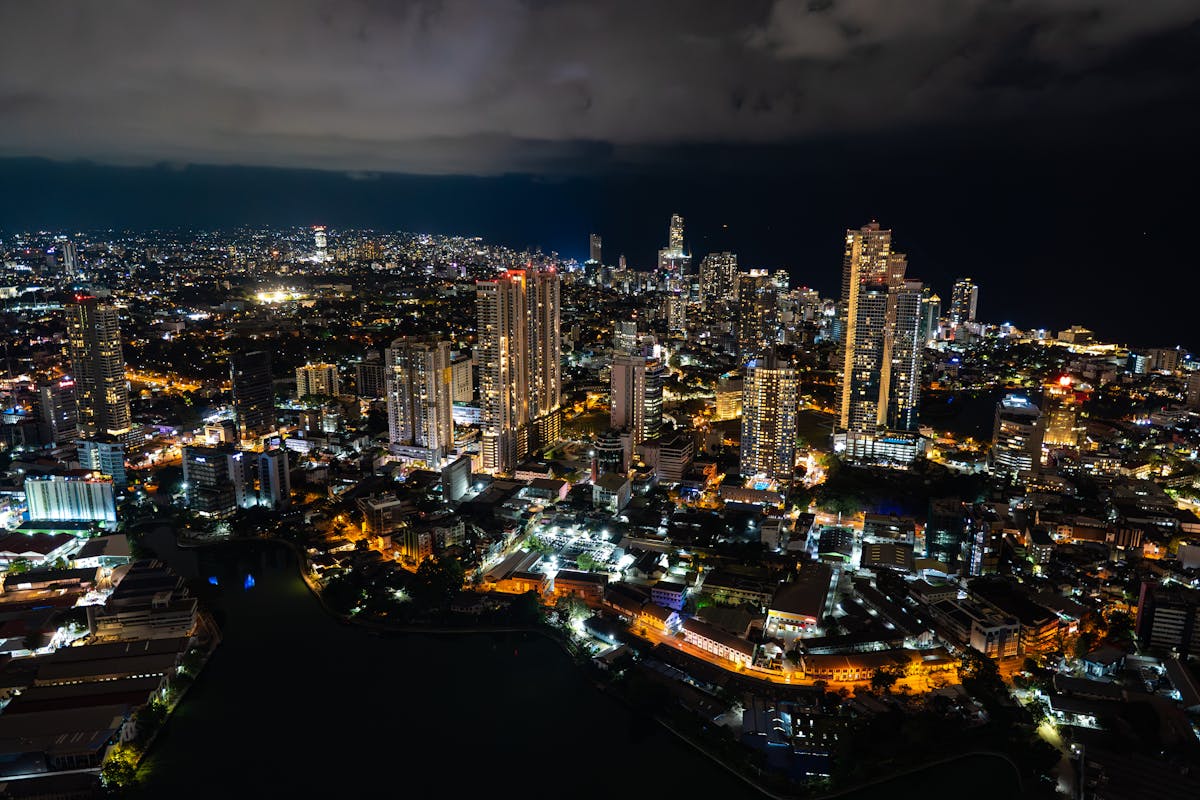
The Gangaramaya Temple is a maximalist Buddhist shrine that operates on the principle that more is more — statues, relics, a museum, a lake pavilion, all packed into a compound that somehow coheres through sheer conviction. Across town, Cinnamon Gardens is the leafy colonial quarter where embassies hide behind frangipani trees and the Colombo National Museum holds artefacts that trace the island’s history from Stone Age tools to Portuguese cannons.
The food scene is where Colombo truly earns its keep. Hopper stalls at dawn serve egg hoppers — bowl-shaped rice flour crepes with a fried egg in the centre — alongside fiery pol sambol and dhal. Ministry of Crab, in the Dutch Hospital, serves lagoon crab the size of your head. The rooftop bars along Beira Lake offer cocktails and city views that would cost three times as much in Bangkok or Singapore. I ate kottu roti at midnight from a street stall where the cook chopped the flatbread on a hot griddle with two metal blades, the rhythm so precise it sounded like percussion.
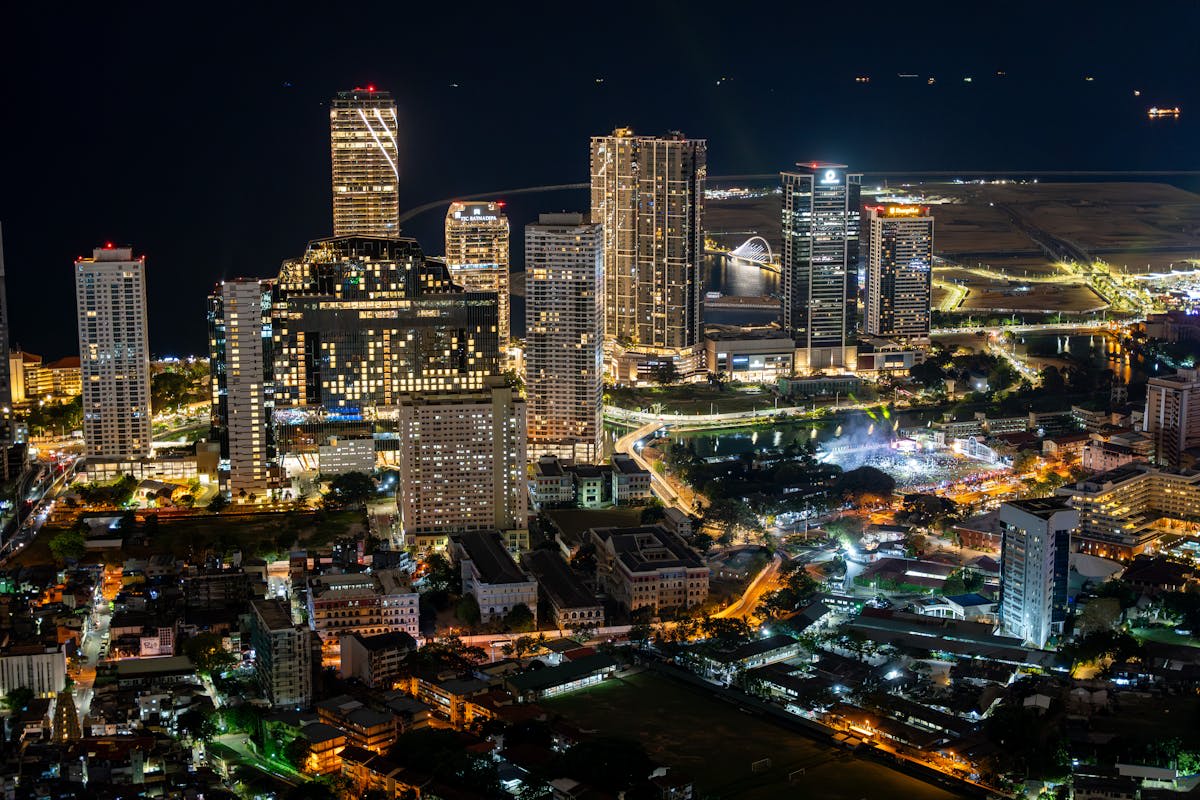
The neighbourhoods tell different stories. Slave Island, despite its grim name, is now a mix of mosques, temples, and churches standing within a few hundred metres of each other — a compressed version of the island’s religious plurality. Wellawatte, known locally as Little Jaffna, serves the best Tamil food in the south. And the Galle Face Green, that long strip of grass between the city and the sea, is where Colombo comes to breathe — families, couples, cricket matches, kite sellers, and the sunset, which the city gets absolutely right.
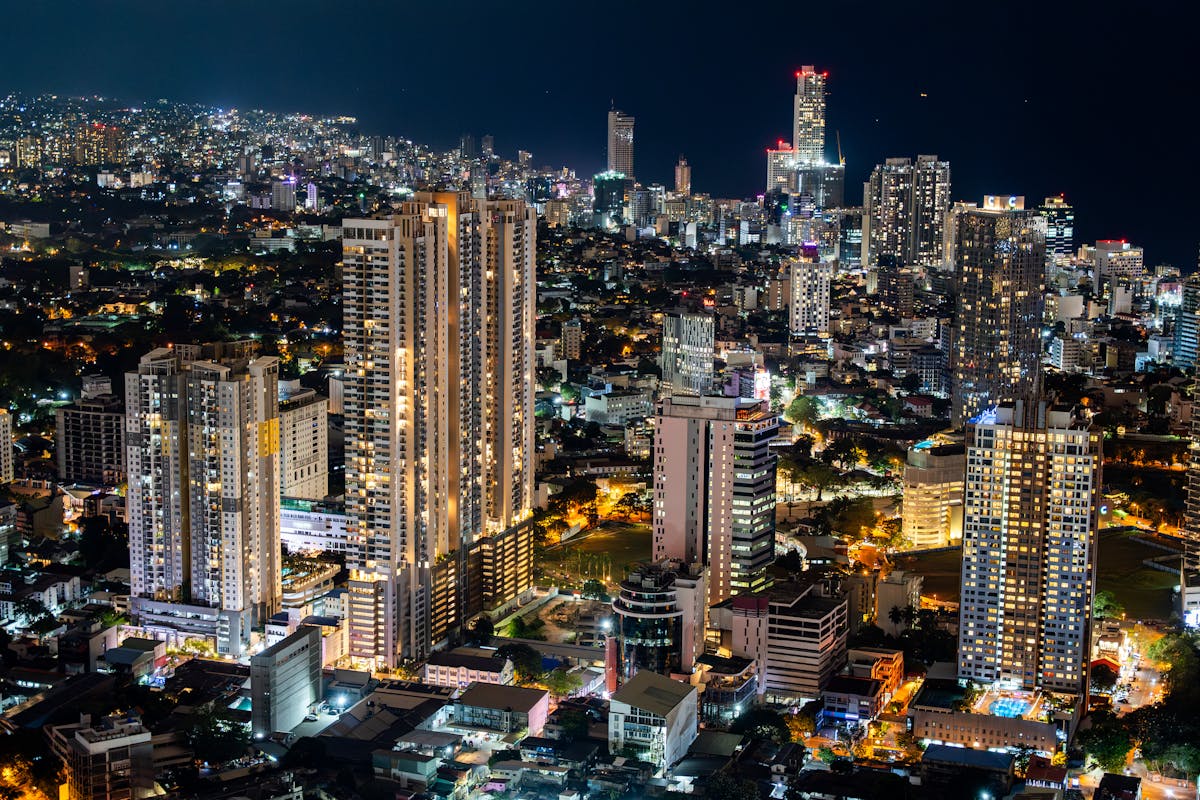
When to go: January to March is driest on the west coast. Colombo functions year-round as a city destination. April brings the Sinhala and Tamil New Year celebrations — the city empties briefly as people return to their home villages, and then erupts in colour when they come back. Avoid the heaviest monsoon months of May and June, though even then the rain tends to arrive in dramatic afternoon bursts rather than all-day grey.