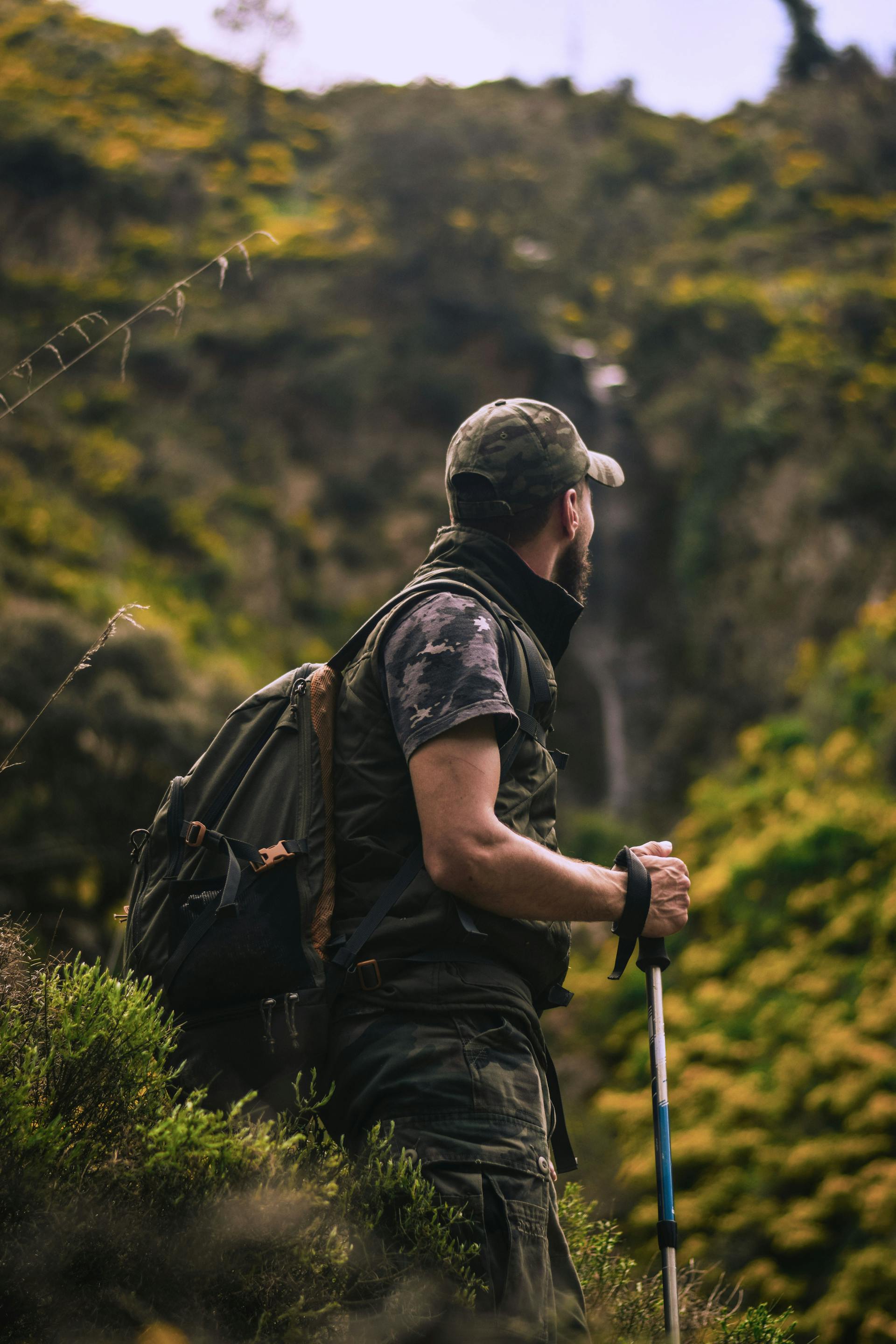
Arugam Bay is a single sandy road lined with surf shops, seafood restaurants, and guesthouses, curving along a bay that produces one of the most consistent right-hand point breaks in Asia. I came for two days and stayed for six, which is the standard Arugam Bay trajectory. The place operates on a schedule that dismantles ambition: breakfast at ten, surf check at eleven, session until two, nap, second session at four, dinner whenever, repeat until your departure date has been revised so many times it becomes theoretical.
The main break works for intermediates and above — a long, peeling right-hander that rolls along the point for a hundred metres when the swell is right, the water warm and clear, the lineup populated by a mix of locals, Australians, and a surprising number of French surfers who somehow find every good wave on the planet. I am not a strong surfer, but I rented a board and took a lesson from a local instructor named Nuwan who had the patience of someone who has watched a thousand beginners fall off a thousand waves and still believes in the process. By day three I was catching the smaller sets and experiencing the specific euphoria of standing on a moving wave in warm water with nobody watching except pelicans.
Beginners find gentle waves at nearby Peanut Farm and Whiskey Point, both reachable by tuk-tuk along dusty roads that pass through lagoons where elephants sometimes wade in the early morning — a sentence I would not believe if I had not seen it myself. The eastern coast of Sri Lanka has wild elephants in numbers that the south cannot match, and spotting one from the road between surf breaks is the kind of casual extraordinary that defines this part of the island.
Beyond the waves, the area holds surprises that most surfers never investigate. Kumana National Park to the south is an important wetland bird sanctuary — flamingos, painted storks, and hundreds of species of migratory birds that use the lagoons as a stopover between continents. The ancient Muhudu Maha Viharaya temple sits on the beach, its ruins half-covered in sand, a Buddhist shrine older than most European cities slowly being reclaimed by the ocean. I visited at sunset when the light turned the stone gold and the sand was warm underfoot and the temple felt less ruined than patient.
The town runs on its own clock, and that clock has no alarm. I ate grilled fish at restaurants where the catch arrived by boat an hour before it reached my plate. I drank arrack and lime at beach bars where the playlist was a negotiation between Bob Marley, Tamil pop, and whatever someone’s Bluetooth speaker had decided to contribute. I met people who had come for a week and stayed a month, their return flights rebooked so many times the airlines had stopped sending confirmation emails. Arugam Bay is where ambition goes to dissolve, and the dissolution is so pleasant that you stop noticing it has happened.
When to go: April to October is surf season, with June to August offering the most consistent swells and the largest waves. The town effectively closes during the west-coast dry season of November to March — guesthouses shutter, restaurants disappear, and the bay returns to the fishermen. Accommodation fills up in July and August, so book ahead if you want a place on the main road. But the best guesthouses are the ones on the quieter end of the bay, where the sound of waves replaces the sound of generators.