Futaleufú
"The river is the color of something that belongs in a tropical reef, not an Andean gorge."
The River That Doesn’t Make Visual Sense
The Futaleufú River is the color of glacially processed turquoise — a blue-green so saturated and luminous that your first view of it produces a reflexive suspicion that something has been added, doctored, enhanced. Nothing has. The color comes from glacial silt suspended in meltwater at a specific particle size that scatters short-wavelength light, and the effect is more intense in direct sun and more jewel-like in cloud. I stood on the bridge at the edge of town for twenty minutes on my first morning trying to understand it optically, and I’m still not entirely satisfied with my explanation.
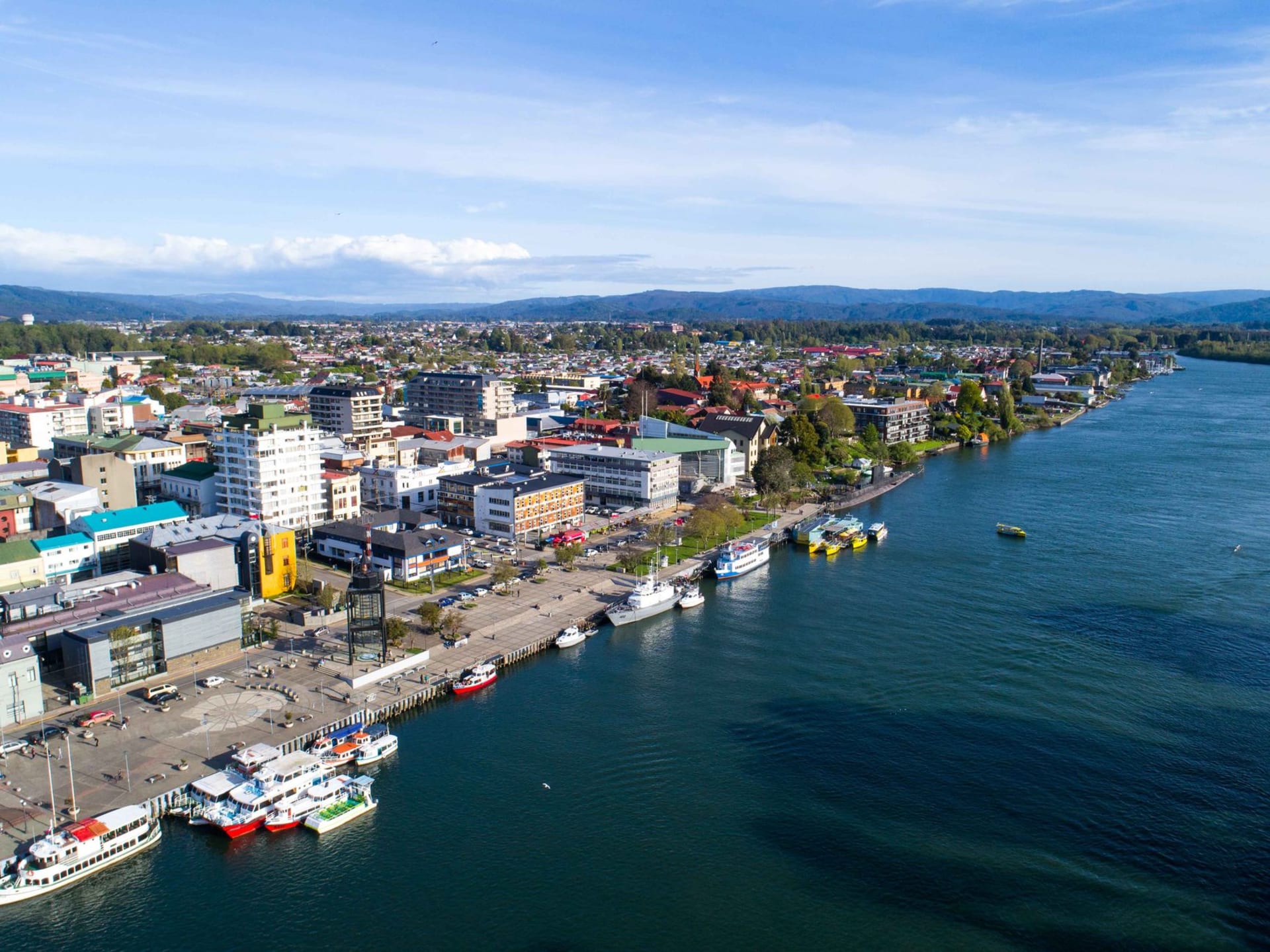
The town of Futaleufú sits about ten kilometers from the Argentine border in the Andean foothills of the Aysén region, reachable via the Carretera Austral on a dirt side road that takes about three hours from Chaitén. The town itself — around 1,500 people — functions primarily as a service point for the river. Rafting companies occupy storefronts between the one supermarket, a few restaurants, and a petrol station that closes at unpredictable hours.
What the River Actually Involves
The Futaleufú is one of the five technically demanding whitewater rivers in the world at the commercial rafting level. The main run has Class V rapids — the second-highest commercial classification — with names that do not understate their character: Infierno, Throne Room, Casa de Piedra. The canyon walls in certain sections rise thirty meters on both sides, the current is fast and cold, and the hydraulics are complex enough that experienced guides spend their entire careers learning new things about the river’s behavior.
I am not an expert kayaker. I did the standard full-day rafting trip with a commercial operator, which runs the main canyon section with guides who know the lines through each rapid, and the experience still managed to be frightening in a specific, controlled, exhilarating way. The Throne Room rapid is the centrepiece: a long, technical sequence where the raft drops through standing waves and holes that the guide is threading with a precision that is only apparent in retrospect, when you’re through it and breathing again.
Between rapids the river is flat and impossibly beautiful. Heron fish the margins. The canyon walls are covered in hanging moss and occasional waterfalls. The water is cold enough that falling in produces an immediate physiological priority rearrangement.
Life in Town and Around It
Futaleufú the town rewards an extra day beyond the river. The valley it sits in has the kind of light in late afternoon that painters specifically come to find — warm, directional, falling on Andean slopes covered in lenga beech turning red in autumn or green in summer, with the river visible as a turquoise thread through the valley floor. The road south of town toward the Argentine border passes through farmland where the agricultural life of the region is visible in a way that can feel scarce in more tourist-heavy parts of Patagonia: horses, hay bales, dogs with working postures.
The restaurants in town are limited but earnest. Lamb is the dominant protein, grilled or slow-cooked, and the bread is baked daily at a couple of places that open early for people starting river trips. I found a café that made a sopaipilla — a fried pastry — with fresh chili sauce that I think about with specific frequency.
The Border Question
The Argentine town of Trevelin is about 35 kilometers east via a scenic mountain crossing, and the border formalities are straightforward enough. Some travelers enter Chile at Futaleufú from Argentina as part of a longer Patagonian loop; others leave the same way. Either direction the crossing itself is beautiful — a mountain road through the Andes with views of both sides simultaneously at the pass.
When to go: December through March for river running, with January and February offering the most stable flow levels and maximum operator availability. The shoulder months of November and April can work but river conditions are less predictable. The town is accessible year-round but the road from Chaitén can be complicated by snow in winter months, and most rafting operators close by late March.