Seoul
"A city running on kimchi, ambition, and the conviction that tradition and innovation are the same thing."
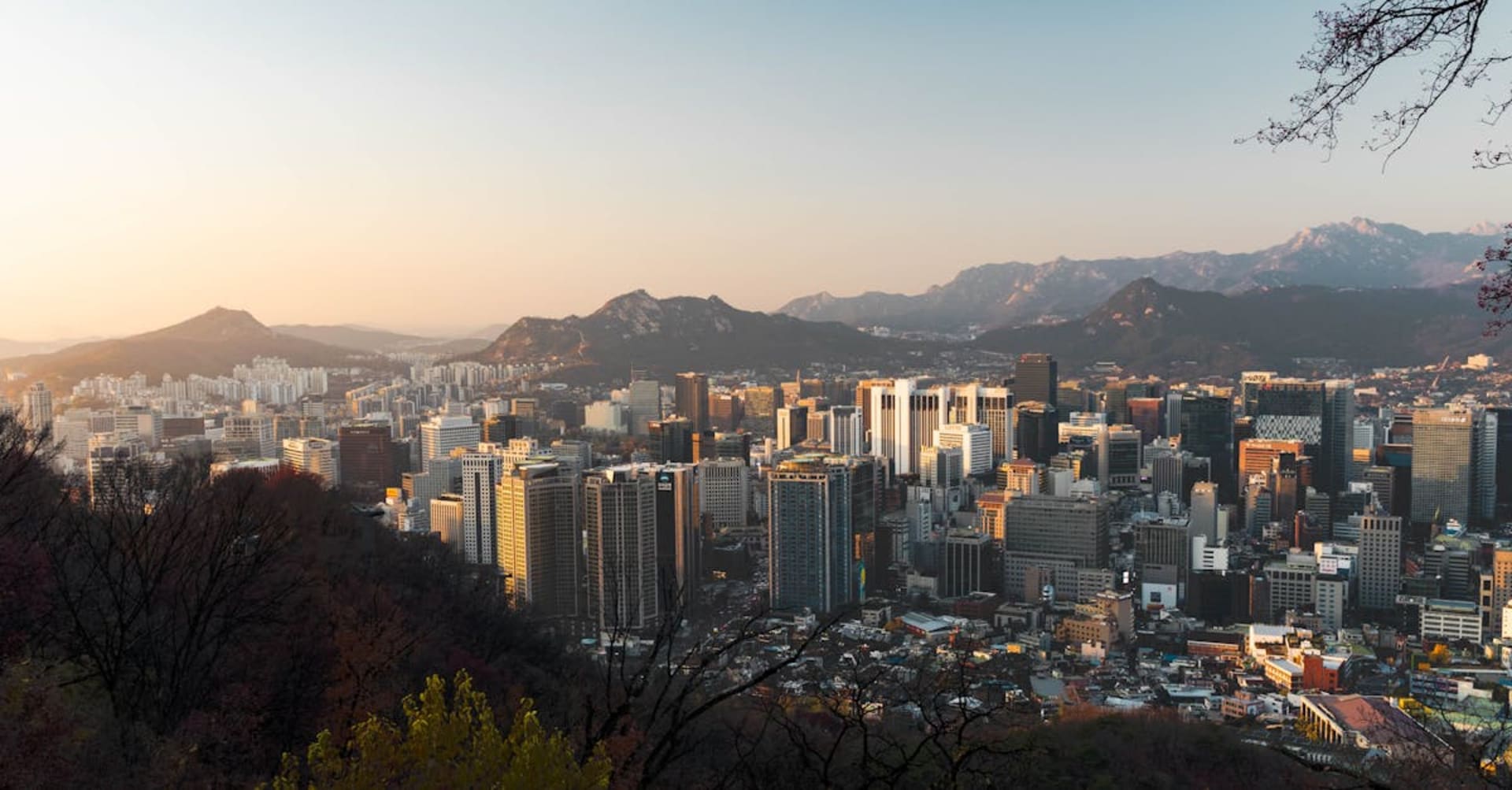
Seoul is a city that contains centuries without contradiction. Gyeongbokgung Palace sits at the foot of Bukhansan mountain, its courtyards and throne halls dating to the fourteenth century, while the neighbourhood of Gangnam glitters with the hypermodern architecture of a city that reinvents itself every decade. The contrast is not jarring — it is the point. Seoul has always been a city of layers, and peeling them back is the pleasure of being here.
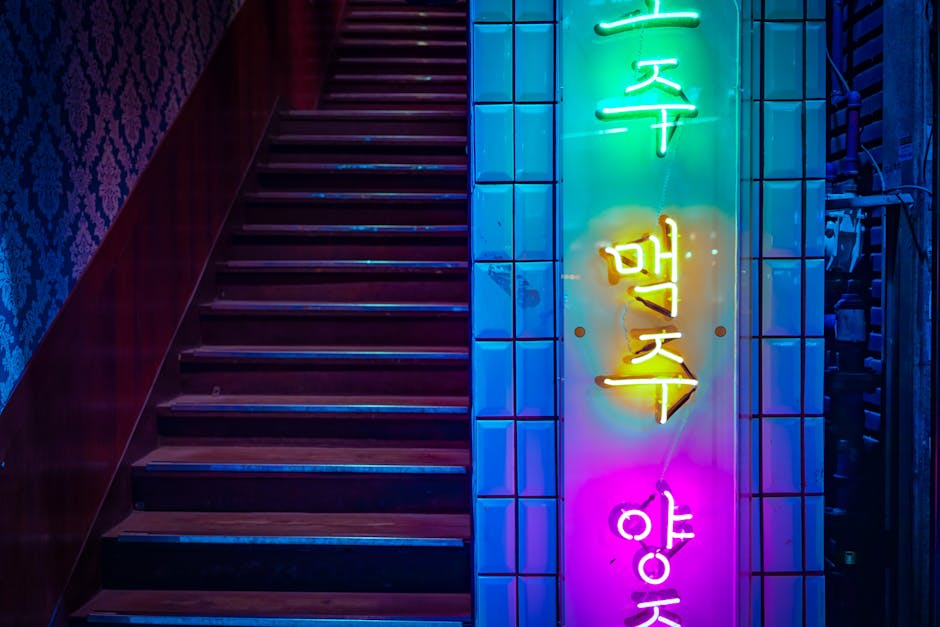
I arrived on a Tuesday evening and walked straight into the chaos of Myeongdong, which is the kind of neighbourhood that exists at a volume setting the rest of the world has not discovered yet. Every surface glows. Every shopfront is competing for your attention with the one beside it. And somewhere in the middle of all this, a woman was grilling hotteok on a cart, the sweet pancakes sizzling in oil, and the smell alone was enough to convince me I had made the right decision coming here. I bought two. They were perfect — crispy, molten with brown sugar and seeds, eaten standing on a curb while the city roared around me.
The food is relentless and extraordinary. Korean barbecue in Mapo-gu, where you grill your own pork belly over charcoal and the ssamjang and garlic and pickled radish arrive in quantities that suggest the kitchen has confused your table with a banquet. Tteokbokki from a street cart — the chewy rice cakes in a sauce so red and spicy that your lips go numb and you order another portion anyway. A full banchan spread at a family restaurant in Jongno where eight side dishes arrive before the main course and every one of them is perfect. I have eaten in Paris, in Mexico City, in Tokyo. Seoul belongs in that conversation without qualification.
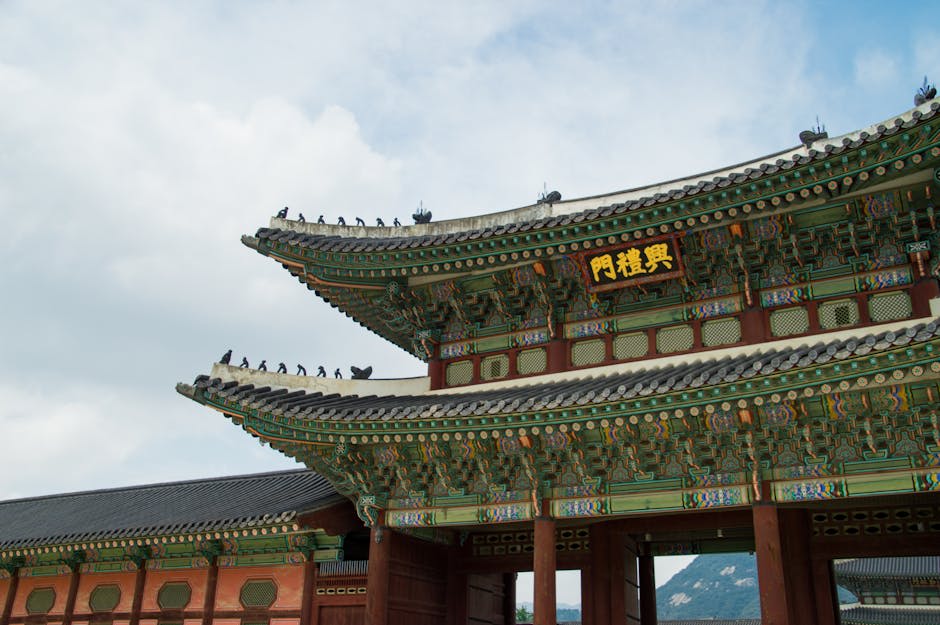
Bukchon Hanok Village offers a walk through traditional tile-roofed houses with views of the palace below — it is touristy now, yes, but at seven in the morning, before the hanbok-rental crowds arrive, the narrow lanes between the hanok rooftops feel like a passage to a Seoul that still exists if you know when to look. Hongdae pulses with student energy, live music, and the kind of nightlife that starts at eleven and considers dawn a reasonable endpoint. I ended up in a basement jazz bar there at two in the morning, drinking soju and listening to a trio play Coltrane with a precision that would have impressed Coltrane himself.
Namsan Tower at sunset is a cliché and I do not care. The light over the city at that hour turns the Han River into a ribbon of gold, and the love locks on the terrace tell a thousand stories in a thousand languages, and for a few minutes the scale of Seoul — this city of ten million people, this engine of culture and commerce and fried chicken — becomes something you can almost hold.
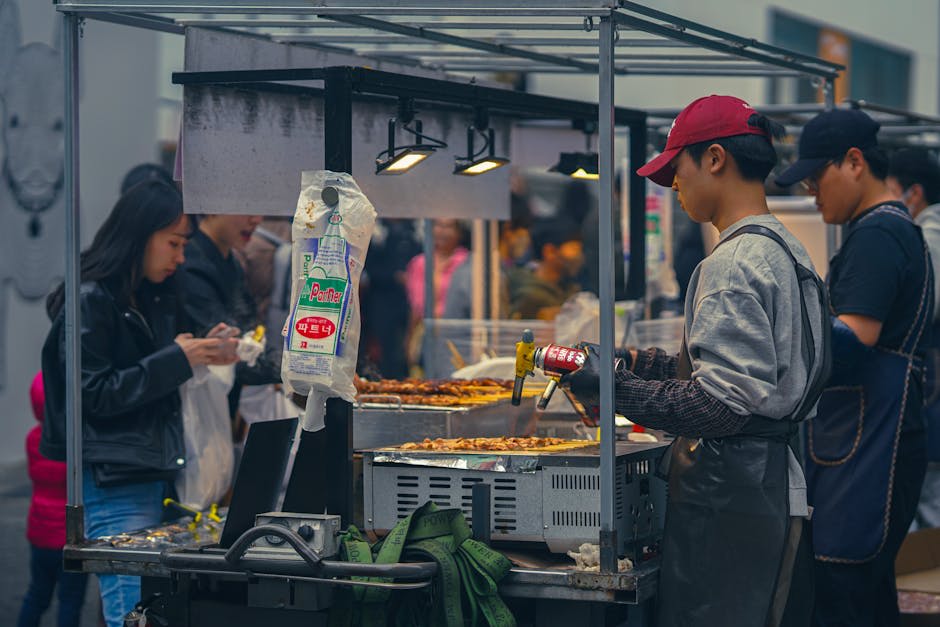
Gwangjang Market deserves its own paragraph and probably its own essay. The oldest running market in Korea, it is a labyrinth of stalls selling everything from silk to bindaetteok — mung bean pancakes fried in front of you by women who have been doing this for decades and whose technique is so practised it looks like choreography. The mayak gimbap — tiny, addictive rice rolls whose name literally means “drug kimbap” — live up to their name. I went twice. I should have gone three times.
When to go: September to November for crisp autumn weather and spectacular foliage. Spring (April to May) brings cherry blossoms. Summers are hot and humid; winters are bitterly cold but beautiful under snow.