
Most visitors pass through Incheon on their way somewhere else, and most visitors are wrong. The city is the gateway to Korea, yes, but it is also a destination with layers that reward a day or two of exploration. I almost made the same mistake — nearly took the airport express straight to Seoul without stopping — but a friend who had lived in Korea for three years told me I would regret it, and he was right.
Chinatown, the only official Chinatown in Korea, is a compact grid of red lanterns, jjajangmyeon restaurants, and painted murals that leads uphill to Jayu Park, where a statue of General MacArthur overlooks the harbour where the Incheon Landing turned the Korean War. The jjajangmyeon — black bean noodles, rich and savoury and slightly sweet — is the dish that defines this neighbourhood. Every restaurant claims to have perfected it. I tried three. The best was at a place with no English sign and plastic tables, run by a family that has been making the same recipe for forty years. The noodles were hand-pulled, the sauce was dark and glossy, and I finished the bowl in a silence that was not indifference but reverence.
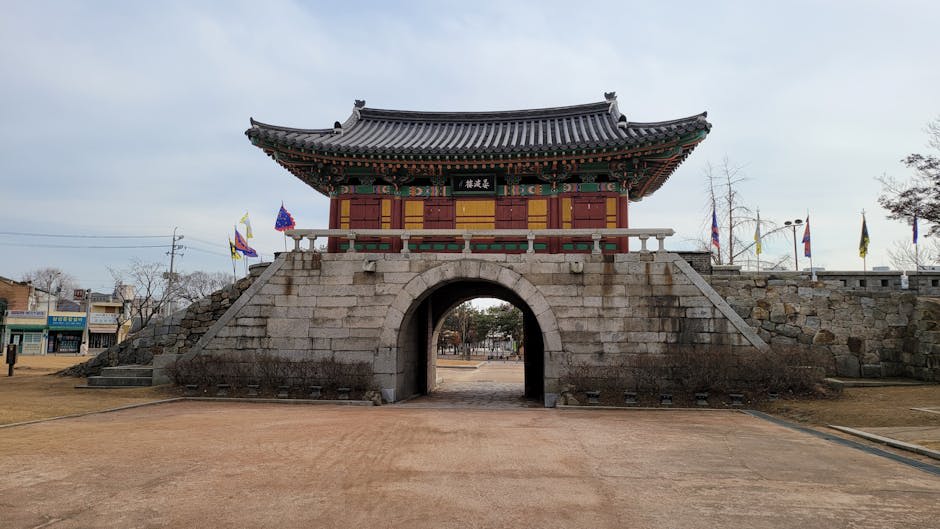
The islands are the hidden gem. Muuido, reachable by a short ferry and a bus, has a beach that feels absurdly remote for a place within the greater Seoul metropolitan area. I went on a Tuesday and shared the sand with perhaps ten other people, most of them locals collecting clams at low tide. The water was clear enough to see the bottom, the mountains of the island rose behind me, and the mudflats at low tide stretched so far they seemed to meet the horizon. Ganghwado, the largest of the coastal islands, offers megalithic dolmens, fortress walls, and a weaving of history that stretches back five thousand years. The dolmen sites are UNESCO-listed and strangely moving — these massive stone tables, erected by people whose names we will never know, for purposes we can only guess at, sitting in rice paddies where farmers still work the same land.
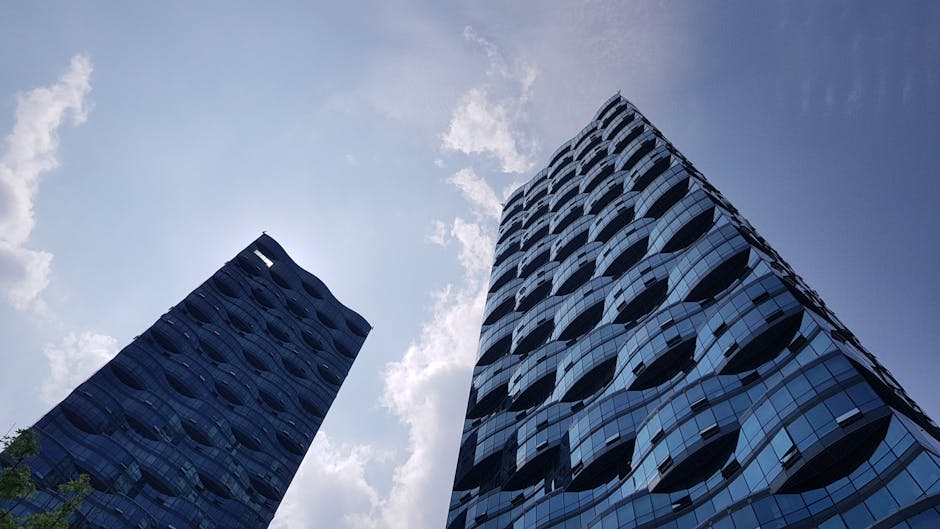
Songdo International Business District represents the other Incheon — a planned smart city of glass towers, a central park with canals you can kayak, and waterways that suggest Korea is building its future here, beside the sea. I walked through Songdo in the evening, when the buildings reflected the sunset in their glass facades and the park was full of families and the whole place felt like a city that had been imagined by someone who believed cities could be both efficient and beautiful. Whether Songdo achieves that ambition is debatable. That it is attempting it with conviction is not.
The Wolmido area, accessible from central Incheon, combines a seafood strip with an amusement park and waterfront walks that offer views of the harbour and the islands beyond. The raw fish restaurants along the pier serve hoe — Korean sashimi — with a freshness that makes you forget you are eating in what is essentially a suburb of the capital.
When to go: April to June and September to November for mild weather. Summer brings monsoon rains and humidity. The Incheon Pentaport Rock Festival in August draws music lovers despite the heat.