
Gyeongju
"A city where you walk on history without realising it -- because history is literally underfoot."
Gyeongju is an open-air museum. For nearly a thousand years it was the capital of the Silla Kingdom, and the legacy of that era is everywhere — in the grassy burial mounds that rise like green hills across the city centre, in the stone observatory that has tracked the stars since the seventh century, and in the temple complexes hidden in the surrounding mountains. Tumuli Park, a gentle stroll through dozens of royal tombs, is surreal in its ordinariness — these are the graves of kings, and children fly kites between them. I walked through at dusk when the mounds were golden in the last light, and the feeling was less like visiting a historical site and more like walking through a landscape that has decided to keep its secrets in plain sight.
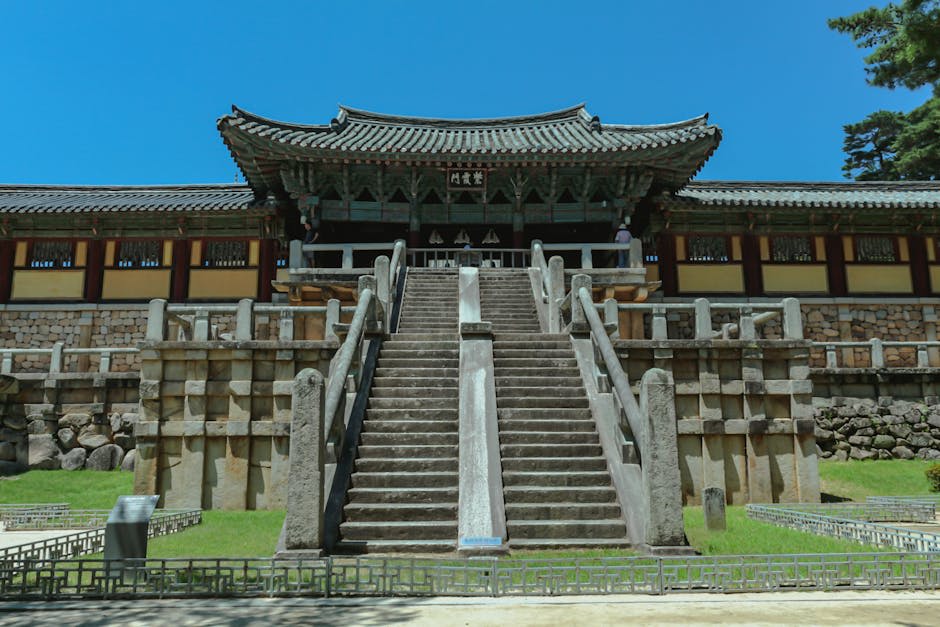
Bulguksa Temple, a thirty-minute drive into the mountains, is one of the finest Buddhist temples in Asia — its stone bridges, pagodas, and wooden halls representing the height of Silla craftsmanship. The approach through the forest prepares you for something, but what greets you is beyond preparation: the Dabotap and Seokgatap pagodas standing in the courtyard with a symmetry that feels mathematical, the wooden halls painted in the dancheong patterns of red and green and blue that Korean temple architecture turns into a visual language. I have seen temples across Asia. Bulguksa is in the conversation for the most beautiful, and I do not say that lightly.
Above it, the Seokguram Grotto houses a seated Buddha carved from granite that gazes out toward the East Sea with an expression of such calm that standing before it feels like a form of meditation. The grotto was designed so that the morning sun enters through the opening and illuminates the statue — an engineering feat accomplished twelve centuries ago by builders who understood both stone and light with a precision that humbles. I arrived as part of a small group and we stood in silence. Nobody needed to explain why.
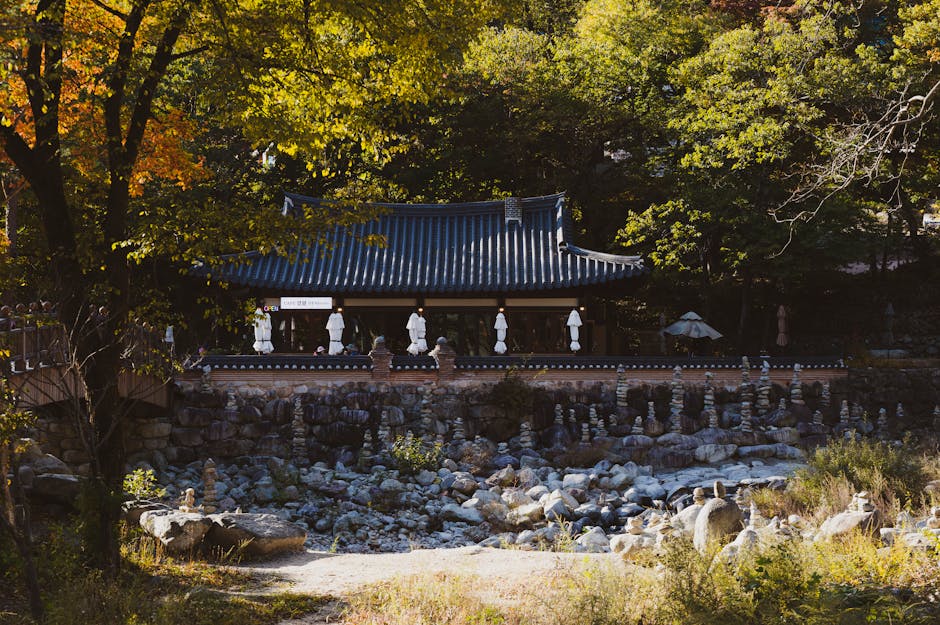
The Gyeongju National Museum ties it all together with gold crowns, bronze bells, and artefacts that make the ancient kingdom feel tangible. The Emille Bell alone — cast in 771 CE, one of the largest and most beautiful bells in Asia — is worth the visit. The legend says a child was sacrificed during the casting to achieve its tone, and when the bell rings, the sound is said to carry the child’s cry. I did not hear the bell ring. I did not need to. The weight of the story was enough.
Anapji Pond, the palace garden that the Silla royals built for banquets and reflection, is best visited at night, when the pavilions and surrounding trees are reflected in the still water and the scene looks exactly like a photograph and exactly like a dream. I sat on the stone edge with a convenience store coffee and watched the reflections for thirty minutes and thought about what it means to build something beautiful that survives a millennium.
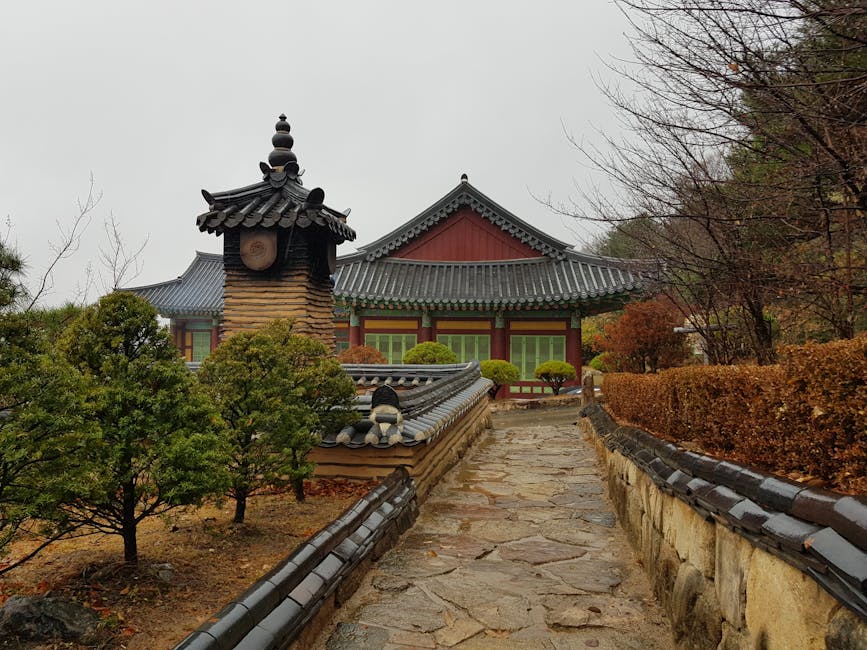
When to go: April for cherry blossoms that turn the burial mounds pink, or October to November for autumn colour. Summers are hot and humid; winters are cold but quiet.