
Gangneung
"The city where Korea meets the sunrise -- and the coffee is ready when you arrive."
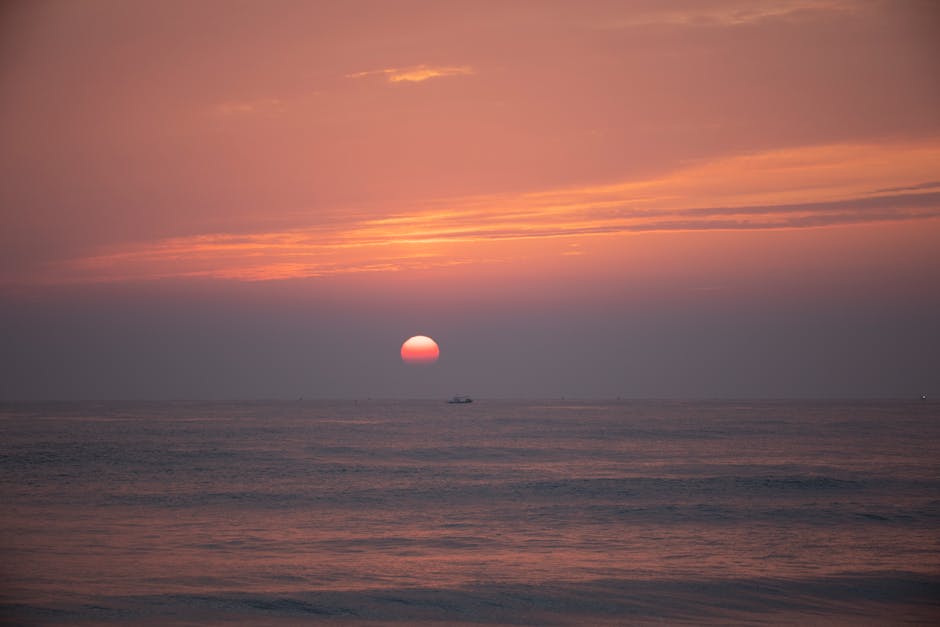
Gangneung sits on the east coast facing the sunrise, and there is something about that orientation that defines the city. Everything here is touched by the sea and the light — the fish markets, the coffee shops, the beaches that stretch north and south in long, clean arcs. I came here on the KTX from Seoul, which takes under two hours and crosses the Taebaek mountains through tunnels so long that the emergence on the other side feels like arriving in a different country. The light changes. The air changes. The pace changes. Seoul is ambition and velocity. Gangneung is salt air and the sound of waves and the conviction that a good cup of coffee is worth taking seriously.
Gyeongpo Beach is the main draw, a two-kilometre crescent backed by cherry trees that bloom spectacularly in April. I visited in late October, when the cherry trees were bare but the beach was empty and the water was cold enough to turn my ankles numb when I walked in, and the emptiness was its own kind of beauty. Jumunjin Beach to the north has the famous BTS bus stop and a quieter, more local feel — fishing boats pulled up on the sand, nets drying in the sun, the occasional ajumma selling fresh raw fish from a styrofoam box.
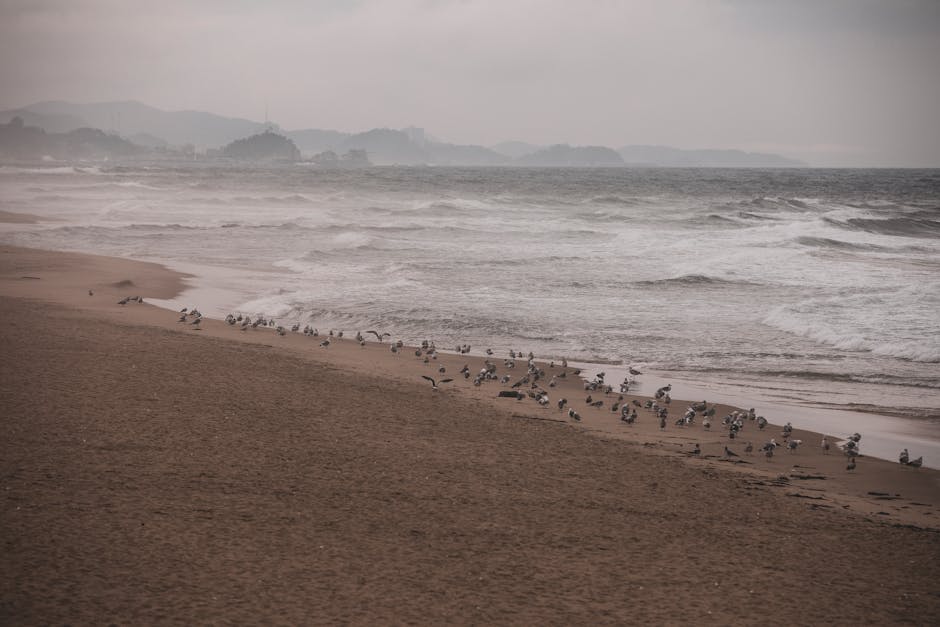
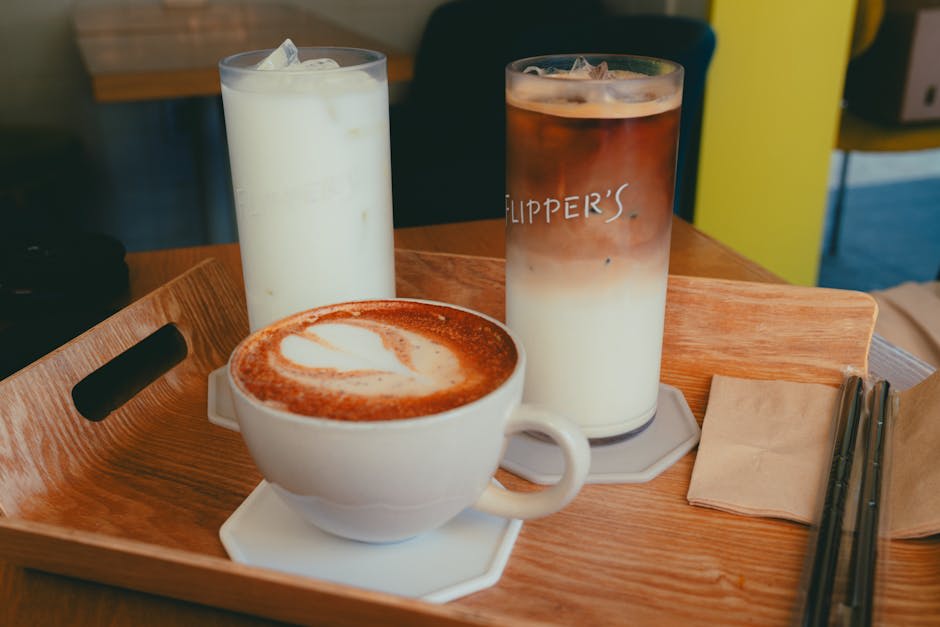
The coffee culture is a surprise and a revelation. Gangneung hosts the annual Coffee Festival and takes its beans with a seriousness that borders on the religious. Anmok Beach has an entire strip of ocean-view cafes — not the Instagram-ready chain cafes of Seoul but independent roasters with single-origin beans and pour-over stations and baristas who will talk about extraction temperatures with the conviction of someone discussing philosophy. I spent an afternoon moving from cafe to cafe along the waterfront, drinking four cups and watching the waves, and each cup was better than the last, which should not be possible but was.
The Ojukheon House, birthplace of the scholar and artist depicted on the 5,000-won note, offers a window into Joseon-era domestic architecture — dark wood, paper screens, a bamboo grove that has been growing for five centuries. The house sits in a garden that achieves the Confucian ideal of harmony between structure and nature, and walking through it I thought about how the best architecture is always the kind that makes you slow down without telling you to.
Chodang Sundubu Village serves the silkiest tofu in Korea, made with seawater in a tradition that has not changed for centuries. The sundubu-jjigae — soft tofu stew, bubbling in a stone pot, with an egg cracked into the surface that cooks as you watch — is comfort food elevated to art. The restaurant I chose was one of a dozen in the village, each one claiming to be the original, and I believed every single one of them because the tofu was that good. Eaten with fresh rice and a spread of banchan that included hand-made kimchi with a depth of flavour that supermarket kimchi can only dream about.
When to go: April for cherry blossoms along Gyeongpo, or summer for beach weather. Autumn is clear and beautiful. Winters are cold but the Gangneung Coffee Festival in October and the proximity to PyeongChang ski resorts add winter appeal.