
The DMZ is not a comfortable place to visit, and that is precisely why you should go. The four-kilometre-wide strip that separates North and South Korea has been a no-man’s-land since 1953, and the tension is palpable even at the tourist-accessible sites. At the Joint Security Area in Panmunjom, you can step into the blue conference buildings that straddle the border and technically stand in North Korea — an experience that is surreal, sobering, and historically charged in a way that few places on earth can match.
I went on a grey November morning with a group of twelve. Our guide, a Korean army sergeant with excellent English and a deadpan delivery, explained the rules: no pointing, no gesturing toward the North Korean side, no sudden movements, single-file formation at all times. The blue conference room spans the military demarcation line — a concrete strip on the floor marks the exact border. I crossed it. I stood in North Korea for perhaps thirty seconds. The North Korean guards watched from their building across the gravel square. Nobody moved. The silence was the loudest thing I have ever heard.
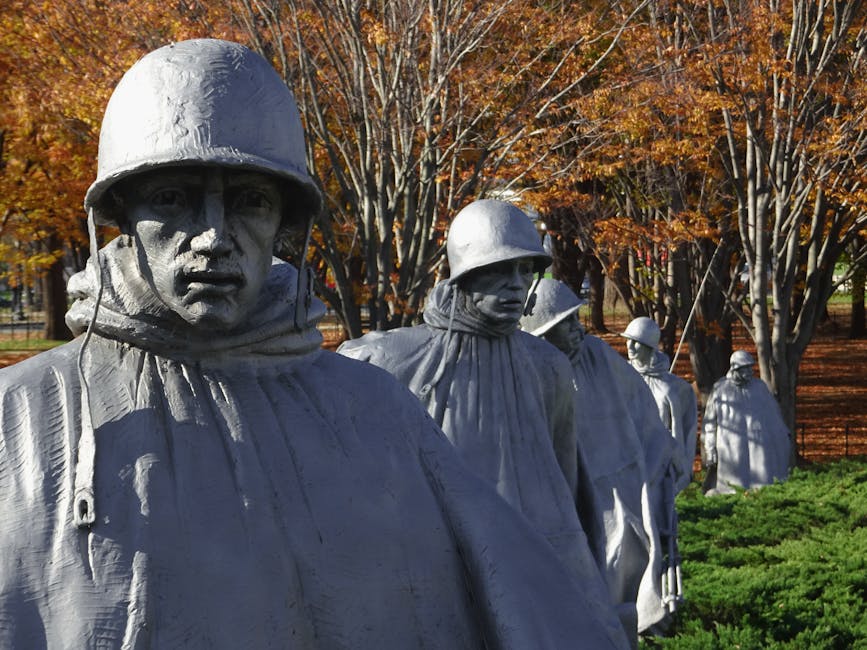
The Dora Observatory offers views into North Korea through mounted telescopes — the propaganda village of Kijong-dong is visible, its empty apartment blocks and enormous flagpole a strange monument to a conflict that never officially ended. The buildings are uninhabited. The lights come on at night anyway. The flagpole is one hundred and sixty metres tall, erected because the South built a ninety-eight-metre flagpole and the North decided that was an argument worth winning. The absurdity of it is inseparable from the tragedy, and standing at the telescopes, squinting through the lenses at a village where nobody lives, I felt the particular vertigo of encountering a history that is still happening and that nobody knows how to end.
The Third Tunnel of Aggression, a North Korean infiltration tunnel discovered in 1978, is narrow, damp, and deeply unsettling. You descend on a steep incline, wearing a hard hat because the ceiling is low enough to require one, and walk several hundred metres into the rock toward the border. The tunnel was designed to move thirty thousand troops per hour into Seoul. It was discovered before it could be used. Walking through it, hunched over, the rock walls close on both sides, I thought about what it would mean to build something like this in secret — the ambition, the paranoia, the absolute commitment to a plan that terrifies.
Yet the DMZ is also, paradoxically, one of the most biodiverse areas in Korea — decades without human activity have turned the buffer zone into an accidental nature reserve where red-crowned cranes, Asiatic black bears, and rare species thrive in a strip of land that exists because two countries cannot agree on peace. There is a metaphor in there somewhere, and it is not a comfortable one.
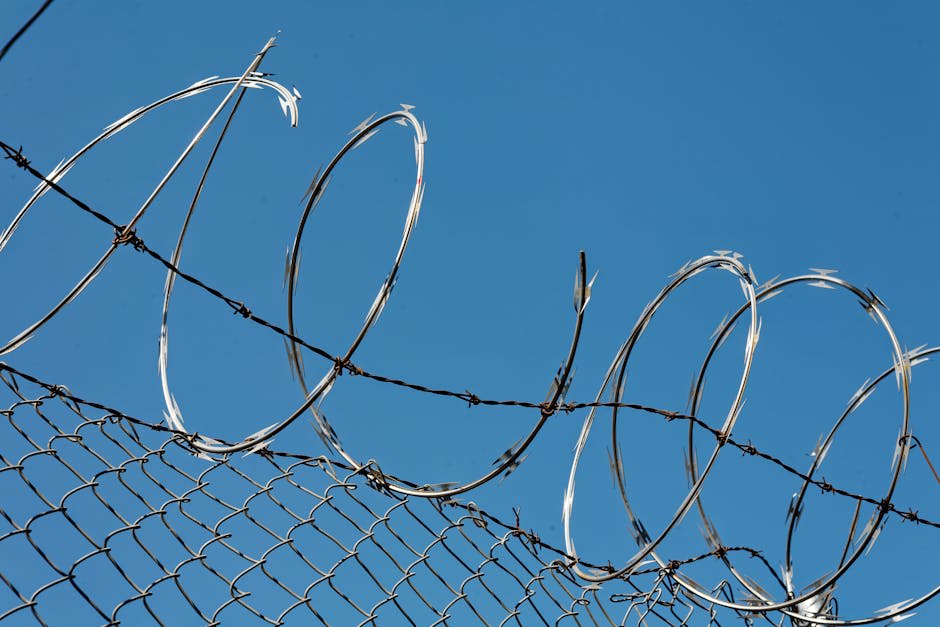
The Imjingak Peace Park, at the entrance to the DMZ corridor, is where the experience starts and where, for many Korean families, the grief is most visible. The Bridge of Freedom, where prisoners of war crossed back to the South in 1953, is hung with ribbons and messages left by families separated by the border — parents who have not seen children in seventy years, siblings who grew old in different countries. I read a few. Then I stopped reading because some things are too heavy to carry as a tourist.
When to go: Spring and autumn offer the most comfortable conditions. Tours must be booked in advance through authorised operators. Bring your passport — it is checked multiple times.