
Busan is the city Koreans go to when they want to breathe. Wedged between mountains and the sea on the southeastern coast, it has an energy that is looser and saltier than the capital — a port city confidence that comes from centuries of looking outward. Gamcheon Culture Village paints an entire hillside in pastels and street art, and walking through its narrow staircases and alleyways feels like wandering inside a painting where every corner reveals a new colour, a new mural, a new cat sleeping in the sun on a windowsill.
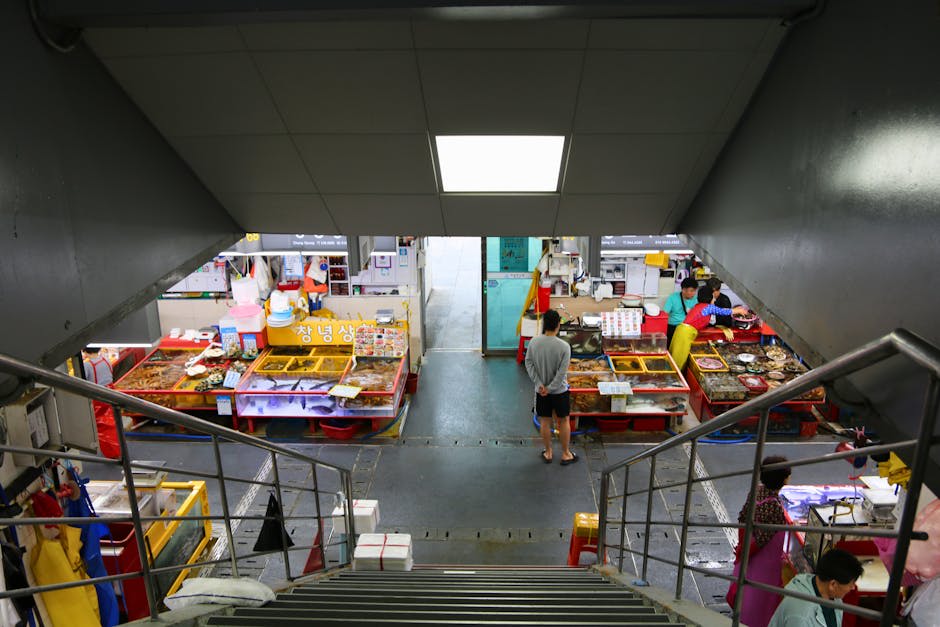
Jagalchi Fish Market is the largest in Korea, a sensory wonderland of live octopus, grilled shellfish, and ajummas who will fillet your purchase and serve it as sashimi on the spot. I sat at a plastic table on the second floor, pointed at a fish I could not name, and ten minutes later it was on my plate — sliced, fanned out, accompanied by gochujang and perilla leaves and a bowl of maeuntang, the spicy fish stew made from the bones. The total cost was less than a mediocre lunch in Paris. The quality was not mediocre. The quality was extraordinary.
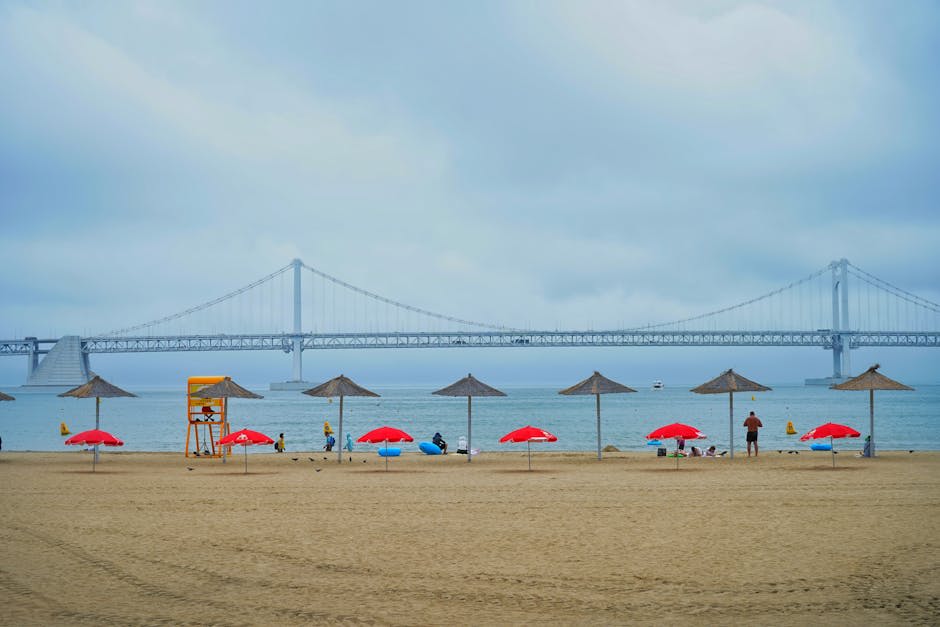
Haeundae Beach is the showpiece, a wide crescent of sand backed by skyscrapers and packed with life in summer. But the coastal walk from Haeundae to Songjeong along the Haedong Yonggungsa trail is where Busan shows its wilder side — clifftop paths, a temple perched on the rocks above the waves, and views that make you understand why Koreans consider this their second city in rank but not in beauty. Haedong Yonggungsa itself is one of the few temples in Korea built directly on the ocean, and arriving at dawn, when the fishing boats are heading out and the light comes off the water in silver sheets, is one of those moments that makes you reconsider your relationship with early mornings.
The BIFF district downtown — named for the Busan International Film Festival — is where the city eats after dark. Ssiat hotteok, the seed-filled sweet pancakes that are a Busan invention, are served from carts along the BIFF alley, and the queue is always long because the pancakes are always worth it. Gukje Market, next door, sells everything from vintage clothing to dried squid to handmade noodles, and the bibim dangmyeon — cold glass noodles mixed with vegetables and gochujang — is the dish I think about when I think about Busan, which is more often than I expected.
The Jukseong Dream Rail, a pedal-powered rail car that runs along the coast on abandoned train tracks, is the kind of experience that sounds like a tourist trap and is actually wonderful — the tracks hug the shoreline, the breeze comes off the sea, and for twenty minutes you are moving through a landscape so photogenic it feels like someone designed it specifically for your pleasure. They did not. Busan just looks like that.
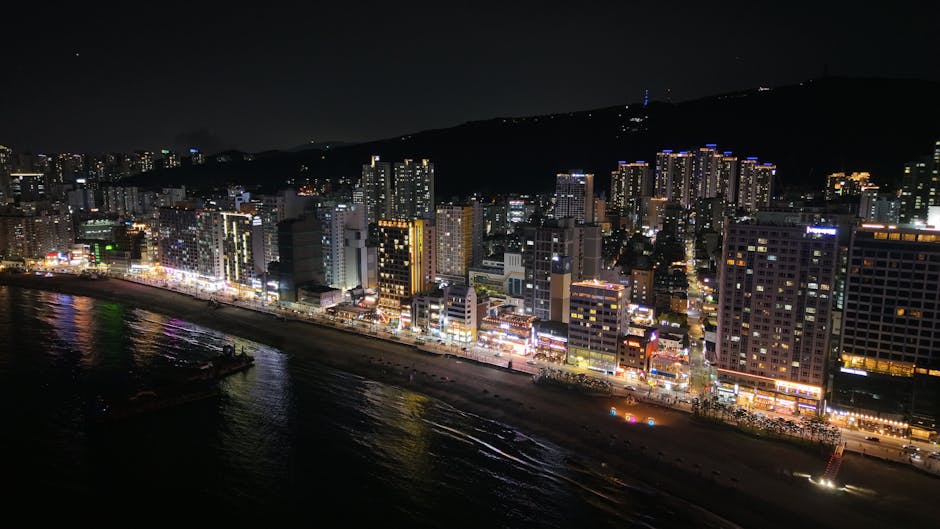
I gave Busan three days, which the guidebooks suggest is generous. It was not enough. The city has a rhythm that takes time to find — slower than Seoul, tied to the tides and the fishing boats and the light on the water — and once you find it, leaving feels premature.
When to go: September to November for warm days, clear skies, and comfortable swimming. The Busan International Film Festival in October adds cultural energy. Summers are hot and monsoon-prone.