
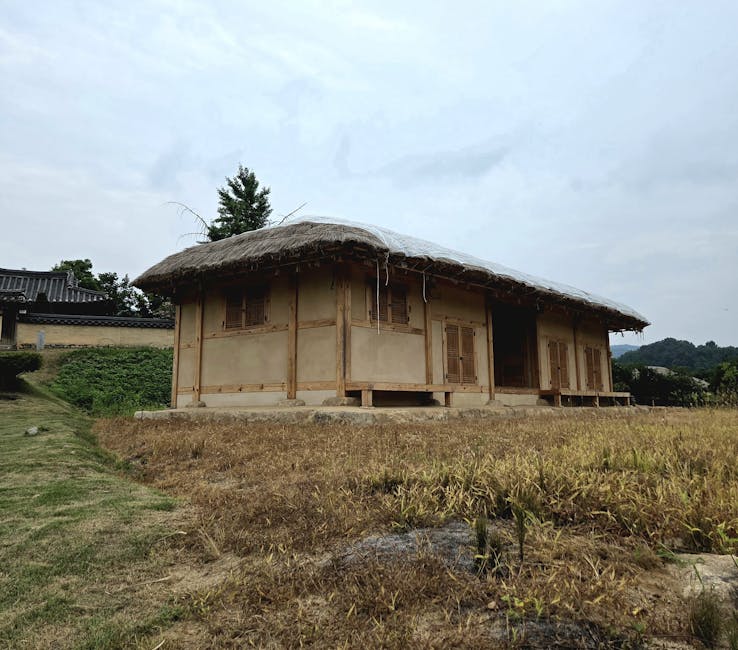
Andong is where Korea keeps its oldest memories. The city in North Gyeongsang Province has been the centre of Confucian scholarship for centuries, and that tradition survives in the Hahoe Folk Village — a UNESCO World Heritage Site where thatched-roof and tile-roof houses sit in a bend of the Nakdong River, still inhabited by descendants of the families who built them five hundred years ago. Walking through Hahoe feels less like visiting a museum and more like stepping into a painting that someone forgot to finish. The river curves around the village in a near-perfect loop, the mountains rise behind it, and the architecture sits in the landscape with a naturalness that suggests the builders understood something about proportion that most modern architects have forgotten.
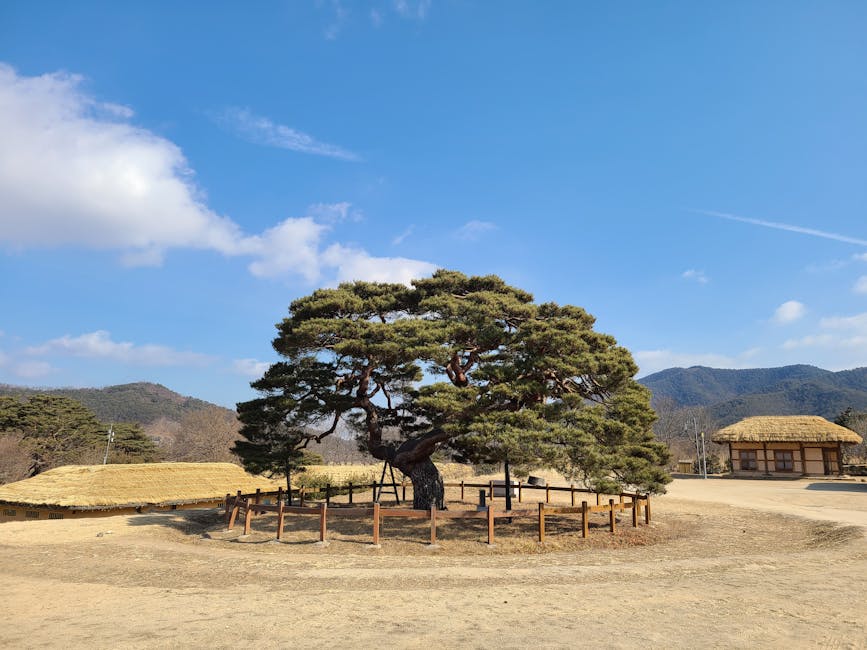
I visited on a weekday morning in October, and the village was nearly empty — just me, a few local residents hanging laundry, and the sound of chickens. An elderly man sitting on the maru (the wooden veranda of his hanok) gestured for me to sit down. We did not share a language, but we shared his thermos of barley tea and ten minutes of silence that felt more like a conversation than most conversations I have had. This is what Hahoe offers that the cities cannot: a pace of life that predates the internet, the automobile, and the idea that being busy is a virtue.
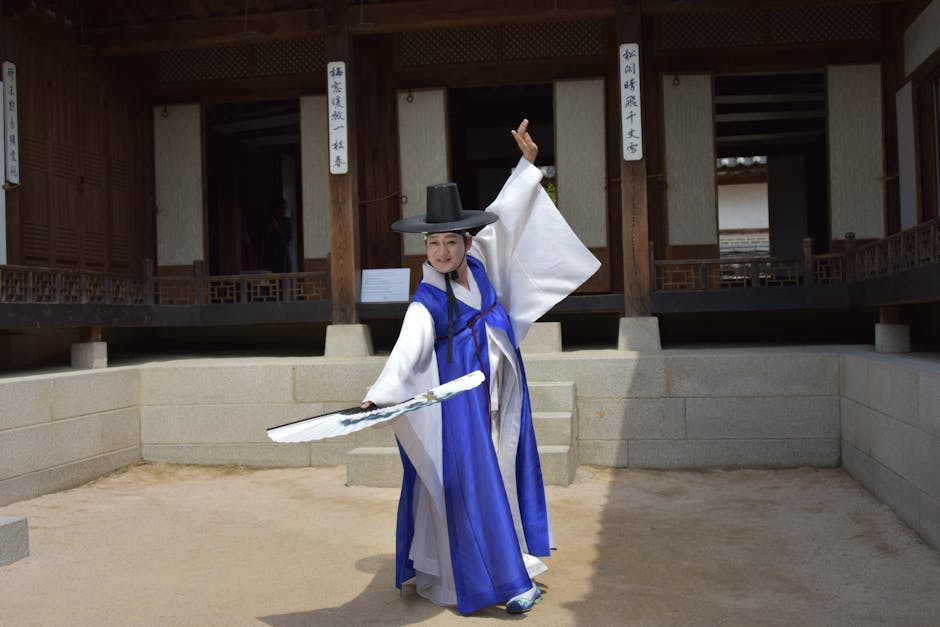
The Andong Mask Dance Festival, held each autumn, brings the village to life with performances that are equal parts sacred ritual and comic theatre — the masks are carved wood, each character a social type, and the dances satirise everyone from corrupt monks to bumbling aristocrats. The humour is bawdy and sharp and eight hundred years old, and watching it performed on a stage beside the river with the village behind, I thought about how the best satire is always the kind that has survived long enough to prove its targets are eternal.
Andong jjimdak, the signature braised chicken dish, was invented here and perfected over decades at the restaurants in the old market. The dish is a tangle of glass noodles, chicken, potatoes, and chilies braised in a sweet soy sauce until everything is tender and slightly caramelised and impossible to stop eating. I had it at a restaurant near the central market where the portions are designed for two and I finished one alone, which I mention not with pride but with honesty. The old market itself is worth an hour of wandering — dried fish, sesame oil pressed while you wait, and vendors selling heotjesabap, a ritual food of mixed rice and vegetables that began as a Confucian offering and became a regional specialty.
Dosan Seowon, a Confucian academy set in a landscape of perfect proportions, is one of the most serene places in Korea. The buildings are modest — Confucian aesthetics favour restraint over display — but the setting, with the mountains behind and a stream in front and the pine trees framing every view, achieves a beauty that is inseparable from its simplicity. I sat in the lecture hall where scholars studied for centuries and felt the particular calm of a place that was designed for thinking and still encourages it.
When to go: Late September to early October for the Mask Dance Festival and autumn colour. Spring is gentle and uncrowded. Summer is hot; winter is cold but atmospheric.