Winelands Franschhoek
"The French came, planted vines, and Africa grew something magnificent."
A Huguenot village nestled in a valley of vines, with some of Africa's finest tables and cellars.
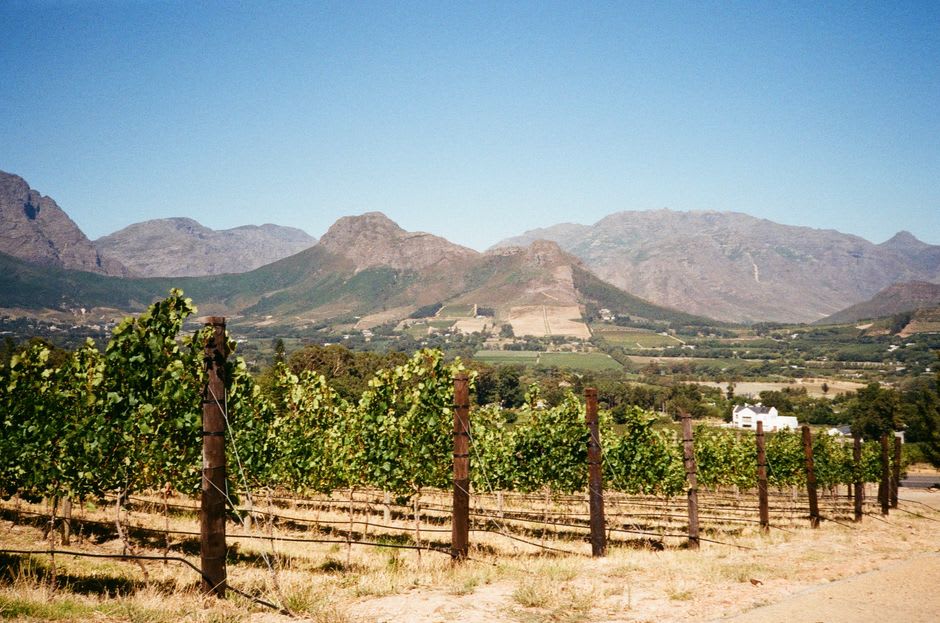
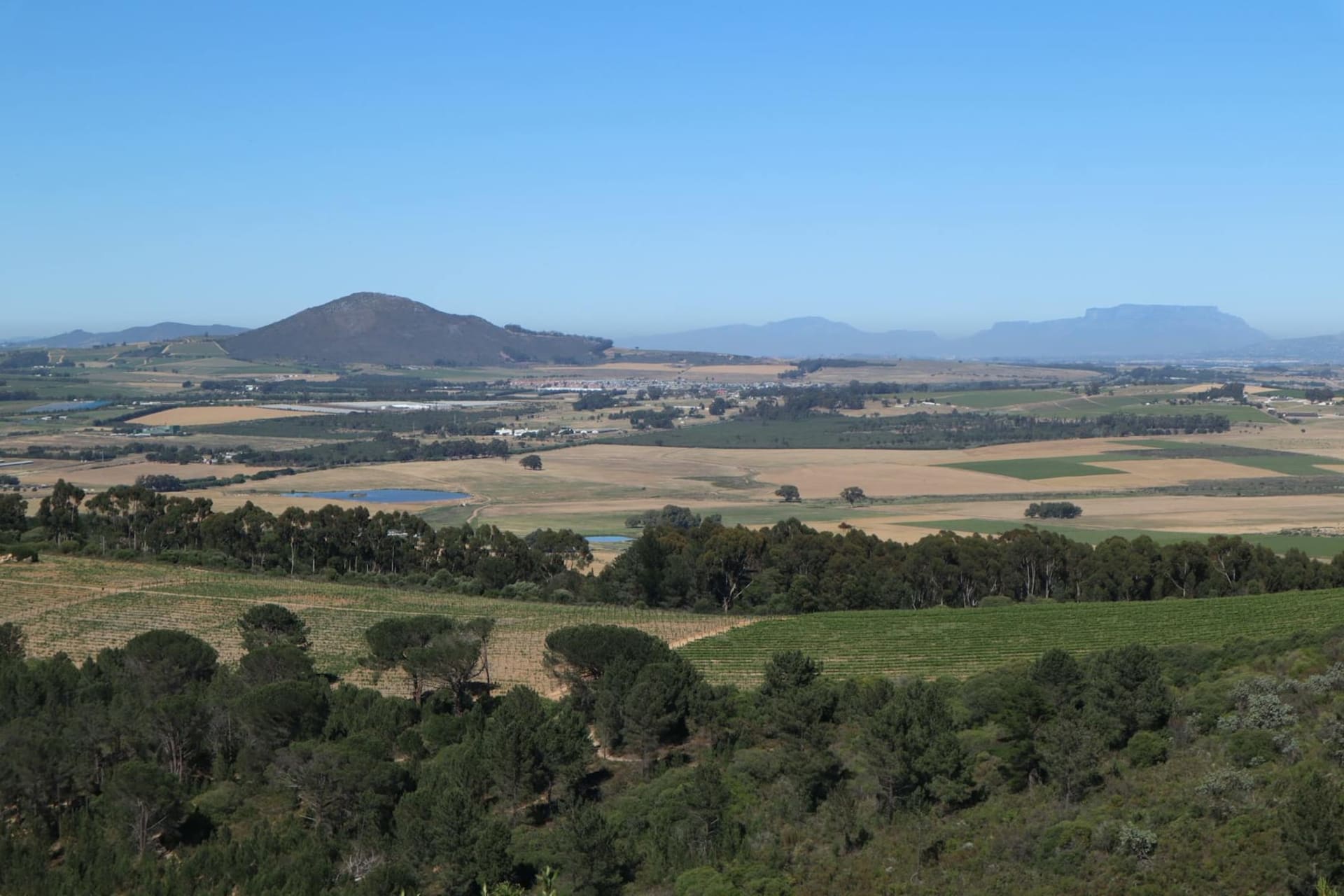
There is a moment on the R45 just before Franschhoek reveals itself — the road bends, the mountains close in from three sides, and suddenly the valley floor opens below you like something a painter arranged. I pulled over. I couldn’t not.
The Huguenots came here in the 1680s, fleeing Catholic France with their faith and their knowledge of vines. They named the streets after the regions they lost: Rue de la Paix, Huguenot Road, a whole cartography of homesickness. Three centuries later, those names are still on the signposts, and the vines they planted have become something that would baffle and perhaps delight their ghosts.
The Table Before the Cellar
Franschhoek takes food as seriously as the wine, and the order in which you encounter them matters. I arrived hungry and made the mistake — if it was one — of walking straight into The Tasting Room at Le Quartier Français before visiting a single cellar. The duck liver parfait with a quince jelly the color of amber set the tone for everything that followed. Lia ordered the slow-braised lamb and barely spoke for twenty minutes, which is the highest praise she gives.
The main street, Huguenot Road, runs through town like a spine, and every second door either pours something or plates something extraordinary. I learned to walk slowly there.
What the Cellars Keep
The wine surprised me. I expected good Chenin Blanc — the valley is famous for it — and I found something more. At Boekenhoutskloof, housed in a 19th-century cellar on a farm that smells of damp oak and old stone, I tasted a Syrah that had the kind of depth I associate with the northern Rhône. No one had warned me that Franschhoek made wine like that. The winemaker laughed when I said so, unsurprised by my surprise.
The unexpected discovery came at a smaller producer, Chamonix, tucked higher in the valley where the air cools an hour before it does in town. They were bottling a Chardonnay that afternoon and offered us a tank sample — cloudy, barely finished, tasting of cream and wet slate. It was nothing I could buy, nothing I could replicate, just that one afternoon in that cold barn with must on our shoes.
The Light at the End of the Day
The valley turns gold at five o’clock in a way that seems theatrical until you realize it happens every evening and the mountains behind it do not care how beautiful they are. I sat on the terrace at Grande Provence and watched the light move across the Franschhoek peaks like a slow tide going out. The Chenin in my glass went warm before I finished it. I didn’t mind.
When to go: February through April catches the harvest and the warmest days, when the vines are heavy and the cellars smell of fermentation. September and October bring wildflowers on the mountain slopes and smaller crowds, with crisp afternoons ideal for long tastings.