Stellenbosch
"The second-oldest town in the country, and arguably the finest vintage."
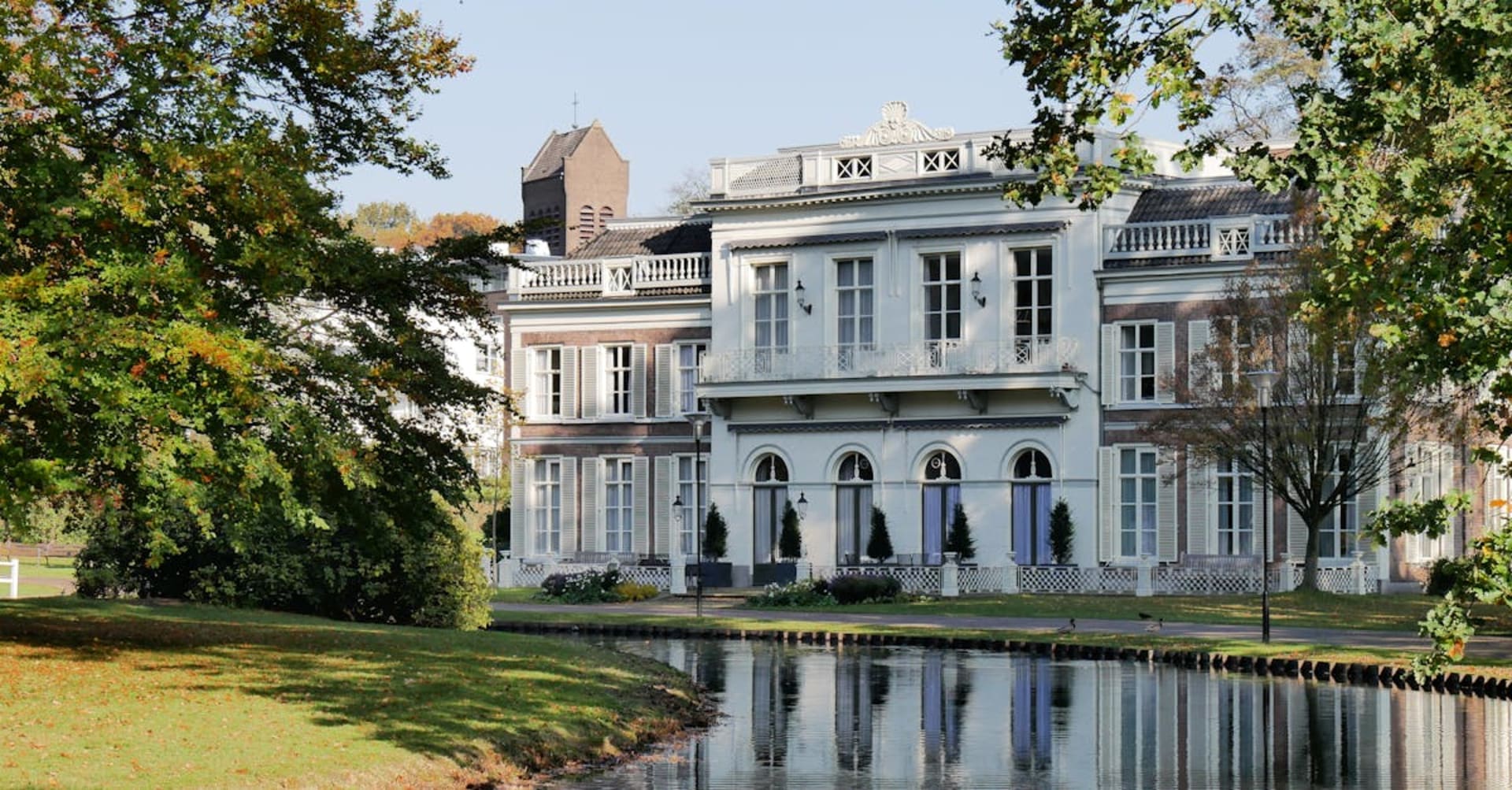
The oaks came first — planted by the Dutch settlers who founded this town in 1679 and who understood, even then, that a place surrounded by mountains and fed by reliable rivers was a place where things would grow. Three and a half centuries later, the oaks still canopy Dorp Street in a tunnel of green so deep it dims the midday sun, and what grows here has made Stellenbosch the undisputed capital of the Cape Winelands — a landscape of vine-striped valleys, whitewashed gables, and a quality of light that painters and winemakers describe in the same reverent vocabulary.
The town itself is a study in the graceful persistence of the past. Cape Dutch architecture lines the historic core in a procession of curvilinear gables, thatched roofs, and whitewashed walls that seem to glow in the late afternoon. The Stellenbosch University campus threads through the old town, keeping the streets young and the cafes full, lending an energy that prevents the beauty from becoming a museum piece. Students on bicycles weave past galleries and wine shops. The Saturday morning market at the Slow Food Garden overflows with artisanal bread, charcuterie, and enough cheese to provision a small country.
The wine, though, is the reason most travelers come, and it rewards every hour you give it. Pinotage — South Africa’s signature grape, a cross of Pinot Noir and Cinsaut developed at Stellenbosch University in 1925 — is the starting point but far from the whole story. The region’s Cabernet Sauvignons rival Napa’s. Its Chenin Blancs, from old bush vines that have been in the ground for decades, produce wines of a complexity that has reshaped the variety’s global reputation. And its Bordeaux-style blends, often labeled simply as “Cape blends,” have won the kind of international recognition that no longer surprises anyone who has been paying attention.
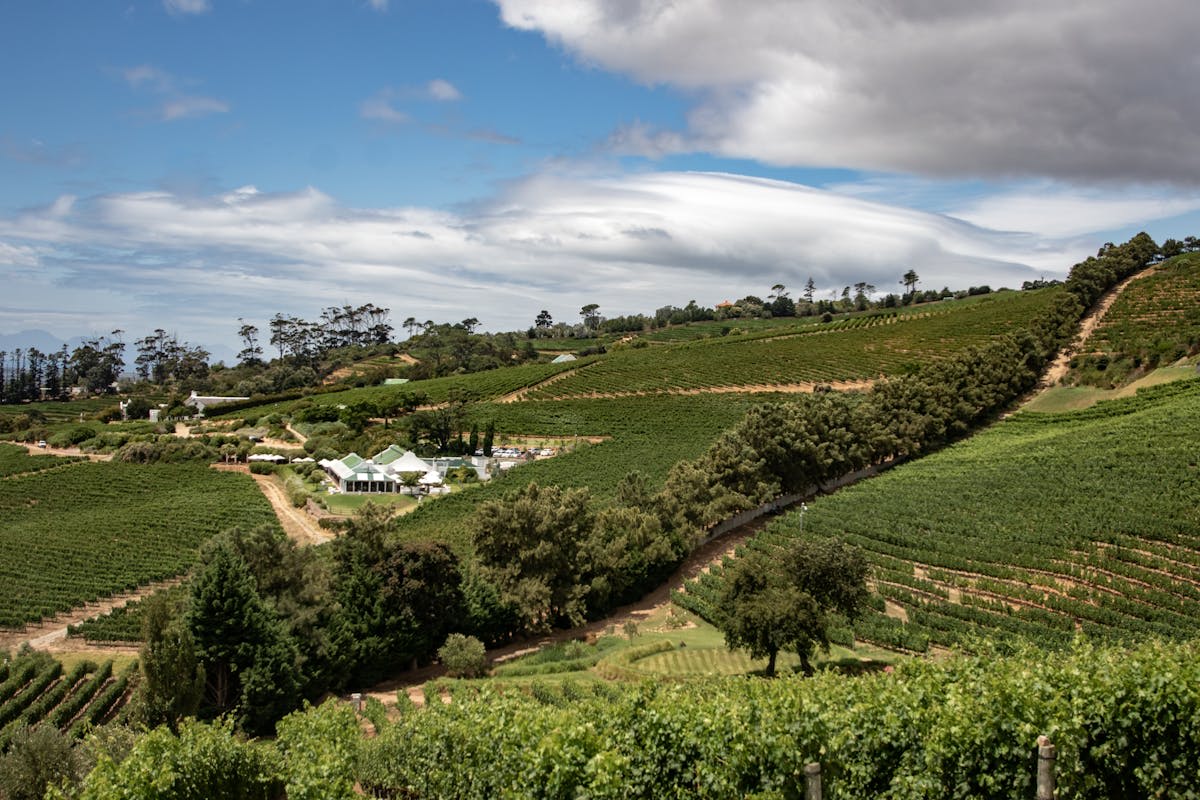
The estates themselves are destinations as much as the wines they produce. Vergelegen, founded in 1700, offers exceptional reds in grounds so beautiful — ancient camphor trees, a formal rose garden, a modern cellar hidden beneath manicured lawns — that the wine almost becomes secondary. Almost. Tokara pairs its tastings with a terrace view of the Simonsberg that makes every glass taste better than it has any right to. Delaire Graff, perched on the Helshoogte Pass, fuses wine with a contemporary art collection that includes pieces by Tracey Emin and Lionel Smit, the juxtaposition of vineyard and gallery feeling entirely natural.
Beyond the marquee names, the smaller producers offer something the famous estates cannot: intimacy. Drive the Helshoogte Pass or wind into the Banghoek Valley and you will find farms where the winemaker pours the tasting personally, where appointments are unnecessary, and where a conversation about terroir turns into an invitation to walk the vineyards. These are the encounters that distinguish Stellenbosch from wine regions that have grown too polished for their own good.
Neighboring Franschhoek — the “French corner,” settled by Huguenot refugees in the 1680s — adds another dimension. Its main street is a corridor of restaurants that has earned the town its claim as South Africa’s culinary capital, and the Franschhoek Wine Tram offers a civilized way to visit the surrounding estates without troubling a designated driver. The tram and an open-sided bus loop through the valley, stopping at farms where the pairings — wine with chocolate, wine with nougat, wine with cheese — elevate tasting into a sensory education.
The food pairing culture across the Winelands deserves its own pilgrimage. Stellenbosch and Franschhoek chefs have built a cuisine that draws from Cape Malay, Dutch, and indigenous traditions while working with ingredients sourced from the farms that surround them — Karoo lamb, line-caught fish from the nearby coast, vegetables from kitchen gardens visible from the dining room. A lunch at Jordan, Rust en Vrede, or La Motte is not merely a meal but an argument, made in flavors, that South African wine and food have arrived at a place of genuine world-class stature.
In the evening, when the mountains turn violet and the vineyards catch the last gold of the day, Stellenbosch settles into a stillness that feels earned. The oaks darken. The gables hold the fading light. And you understand why the settlers planted those first trees here — not just because the soil was good, but because the beauty of this valley demanded that something permanent be made of it.
When to go: February to April for harvest season, when the vineyards turn gold and the estates hum with activity. September to November for spring wildflowers on the mountain slopes and the freshness of new growth. Winter (June to August) brings quiet tasting rooms, dramatic skies, and a fireplace culture in the restaurants that has its own considerable appeal.