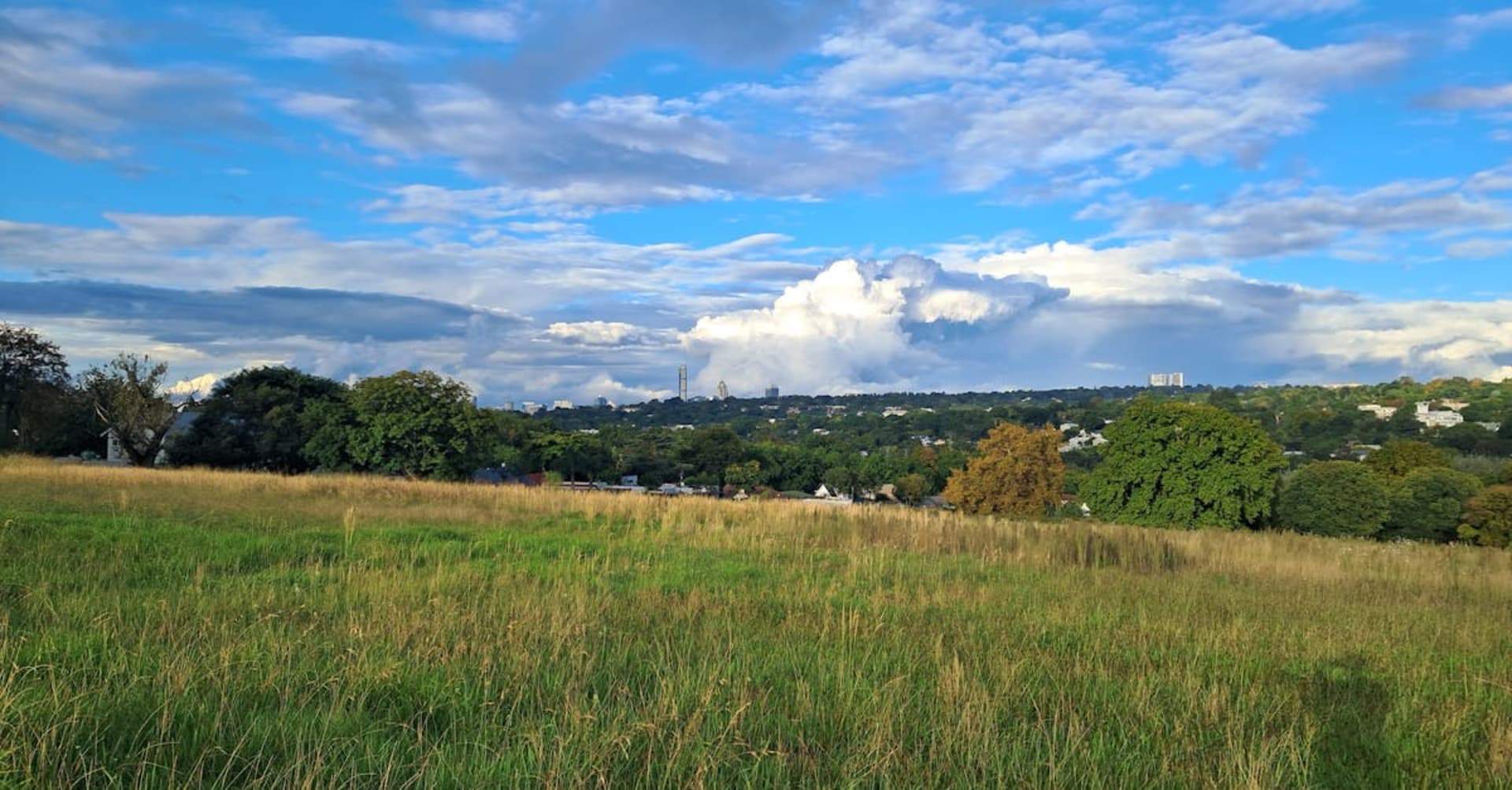
Johannesburg is not a city that seduces. It does not arrange itself for photographs or soften its edges for visitors. It sprawls across the highveld at 1,750 meters, a city built on gold reef and ambition, and it wears its scars the way a boxer wears his — not with shame, but as proof of what was survived. To understand South Africa, you must spend time here. The coastline will charm you. Joburg will change you.
The Apartheid Museum is where that education begins, and it begins at the entrance, where visitors are randomly assigned a gate marked “White” or “Non-White” — a small, disorienting taste of the arbitrary cruelty that organized life here for decades. Inside, the exhibitions unfold with the precision of a prosecution brief: the pass laws, the forced removals, the Soweto uprising, the long negotiations, the release. You will not leave unchanged. Across town, Constitution Hill completes the arc. The Old Fort prison complex once held Mandela, Gandhi, and thousands of ordinary people whose only crime was existing in the wrong skin. Today the Constitutional Court rises from those ruins, its walls literally built from the old prison’s bricks, its great African art collection a deliberate statement that beauty can be constructed from the materials of oppression.
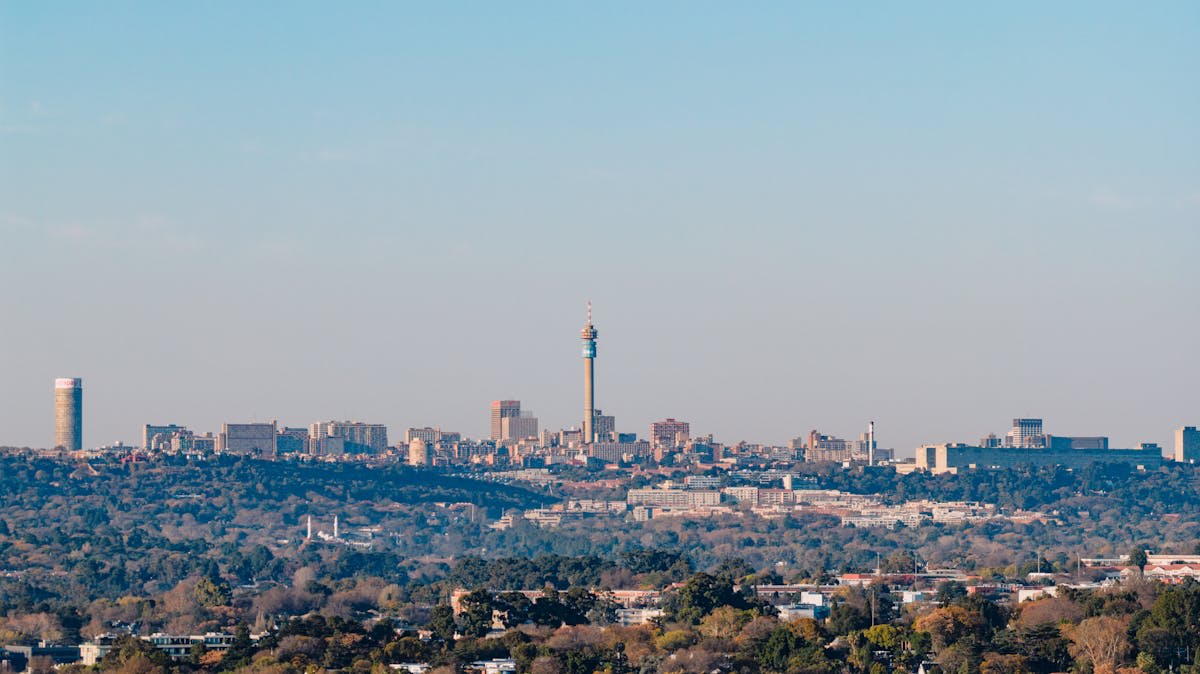
But Johannesburg is not a museum. It is a city in furious, messy, exhilarating reinvention. Maboneng — the name means “place of light” in Sotho — pioneered the inner-city revival, its converted warehouses now housing galleries, design studios, rooftop bars, and the Arts on Main complex where you can buy contemporary African art on a Sunday morning while eating Ethiopian injera from a street vendor. The neighborhood proved that downtown Joburg, long abandoned by the middle class to decay and danger, could be reclaimed not through policing but through creativity.
Braamfontein picked up the thread. The streets around the university buzz with students, muralists, and the electric energy of young South Africans who were born free and intend to live that way. On Saturdays, the Neighbourgoods Market fills a rooftop parking garage with the kind of food that tells you exactly where a city’s soul is heading: slow-smoked brisket, Mozambican peri-peri prawns, Vietnamese pho, and craft gin made in a Maboneng basement. This is the new Joburg — polyglot, hungry, restless.
Soweto remains essential. The township that exploded into global consciousness in 1976 when police opened fire on schoolchildren is today a sprawling city-within-a-city, home to millions, its streets lined with everything from shebeen taverns to upscale restaurants. Vilakazi Street in Orlando West is the only street in the world that has been home to two Nobel Peace Prize laureates — Mandela and Desmond Tutu — and the Hector Pieterson Memorial nearby ensures the uprising is never reduced to a historical footnote.
Forty minutes northwest, the Cradle of Humankind UNESCO World Heritage Site offers a different kind of reckoning with the past. The Sterkfontein Caves have yielded fossil evidence of humanity’s earliest ancestors, including the nearly complete skeleton known as “Little Foot,” some 3.6 million years old. It is a strange and humbling thing to stand in a city built on the gold rush of the 1880s and realize that the real treasure beneath Johannesburg’s soil is the proof that we all began here — all of us, from everywhere.
The city does not ask to be loved. It asks to be reckoned with. Those who do reckon with it — who walk its streets, eat its food, listen to its stories — tend to find that Johannesburg has done something to them that no mountain or beach ever could. It has made them think.
When to go: March to May delivers autumn warmth without the dramatic summer thunderstorms that roll across the highveld each afternoon. June to August is dry and crystalline, the skies enormous, though nights drop near freezing at this altitude — pack layers and expect the kind of sharp, golden light that makes photographers weep.