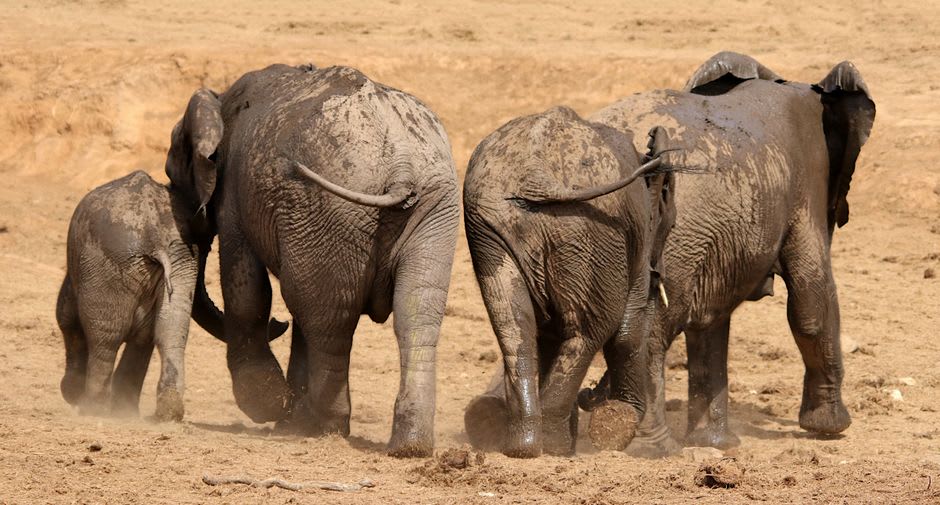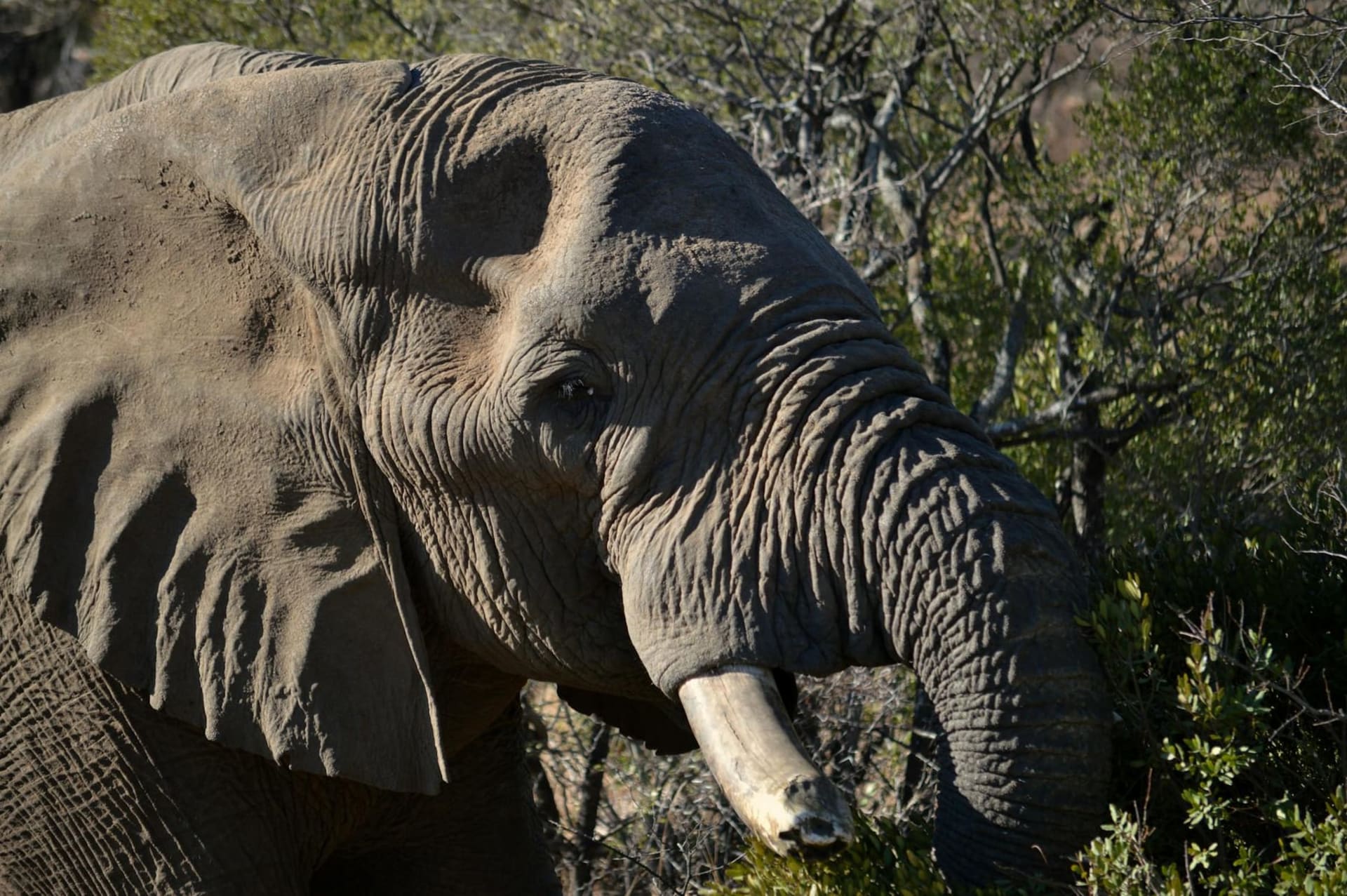
Home to the densest elephant population on Earth, roaming thick Eastern Cape bush.
We had been in the park for less than twenty minutes when the road disappeared. Not metaphorically — a wall of grey skin materialized across the track ahead, close enough that I could see the coarse hairs along a juvenile’s spine, the papery texture of ears fanning slowly in the heat. The engine was off. Neither Lia nor I said anything. There was nothing to say.
The Weight of Proximity
Addo sits in the Eastern Cape, inland from Port Elizabeth — now called Gqeberha — tucked into a landscape that looks nothing like the savannahs most people picture when they think of Africa. The vegetation here is dense spekboom thicket, a silver-green succulent scrub that smells faintly of something between citrus and damp soil after the morning mist burns off. It swallows elephants whole. You drive the Doringhoek Loop or the Hapoor waterhole circuit expecting open sightlines and instead you get glimpses: a tusk through the branches, the slow arc of a trunk, silence that suddenly has weight.
The park holds over six hundred elephants in an area smaller than some counties. The density is what undoes you. Back at the main rest camp near the Matyholweni Gate entrance, a ranger told me that during the park’s founding in the 1930s, only eleven elephants remained in the region. Eleven. The number felt impossible standing in the dust watching a breeding herd of forty cross the road at a pace that suggested they had never once considered urgency.
The Waterhole at Dusk
The Hapoor waterhole is a deliberate act of stillness. We parked the car just before six in the evening, the light going amber and then almost copper over the flat water. Buffalo arrived first, then warthogs at a trot, then the elephants — matriarch leading, calves stumbling close to their mothers’ legs. A small bull waded in to his belly and began spraying water over his own back with a satisfaction so complete it seemed philosophical.
What surprised me was the sound. I had expected drama. Instead there was a low, collective rumbling I felt more in my chest than heard with my ears — a subsonic conversation between animals too large to need volume. Lia grabbed my arm. She had heard it too.
Staying and Eating
The SANParks rest camp offers self-catering chalets and a restaurant that does a serviceable rump steak and boerewors rolls at lunch. We cooked most nights on the camp braai, cheap lamb chops from the farm stall on the R335 toward Kirkwood, the smoke rising into a sky so thick with stars it felt like overcompensation.
When to go: May through September brings the dry winter, when thinning vegetation makes elephants easier to spot and waterhole gatherings more concentrated. Avoid school holidays in July if crowds at the park entrance matter to you.