
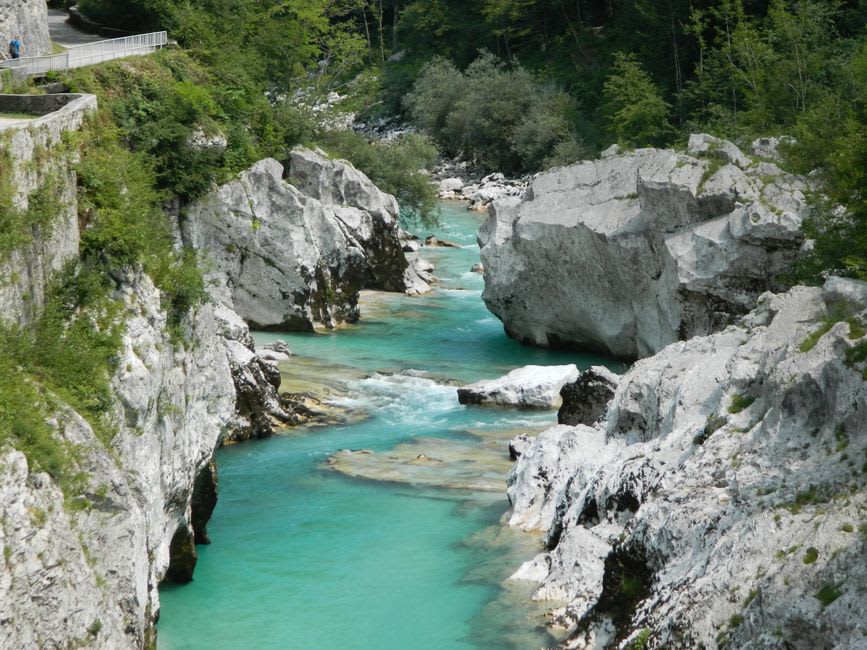
A wooden walkway threaded along a limestone gorge outside Bled, where the Radovna River runs a color that makes you forget the crowds at the lake entirely.
I’ll admit I almost skipped Vintgar Gorge. We’d already done Bled at sunrise, felt smug about beating the crowds, and were half-tempted to just drive on toward the Soča. But the guesthouse owner in Bled looked genuinely offended when I mentioned we might skip it, so we drove the short distance to the entrance instead, and within ten minutes on the boardwalk I understood her offense completely.
A River in a Corridor
The gorge is narrow enough that the light drops and the temperature with it, a natural corridor of pale limestone with the Radovna River running through the bottom in that same glowing turquoise that seems to be a Slovenian specialty. The wooden walkway — built over a century ago and rebuilt more than once since — hugs the rock a few meters above the water, sometimes crossing to the other bank on narrow bridges, sometimes running so close to the current you feel the spray. It’s an easy walk, maybe an hour each way, but it doesn’t feel easy in the sense of forgettable. Every bend produces a new angle on the same improbable color.
The Waterfall at the End
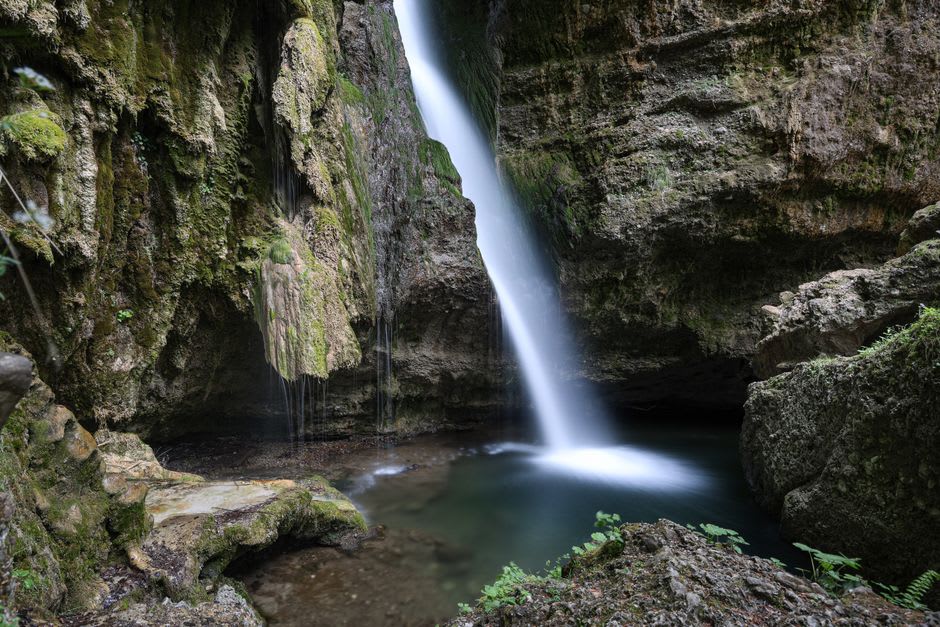
The gorge ends at the Šum waterfall, a13-meter drop that’s more dramatic in sound than in height, the water crashing into a pool below with enough force that you feel it in your chest before you see it clearly. Most people turn back here and walk the boardwalk in reverse, but there’s a path up to the village of Zasip that loops back toward Bled through open farmland, cows and hay barns after an hour of rock and water — a good contrast, and it meant we avoided walking the same route twice.
When to go: The gorge is open April through October (closed in winter due to ice on the walkway). Go first thing in the morning — it’s a short, easy add-on to Bled and gets busy by midday with the same tour groups.
Keep exploring
More from Slovenia
 slovenia
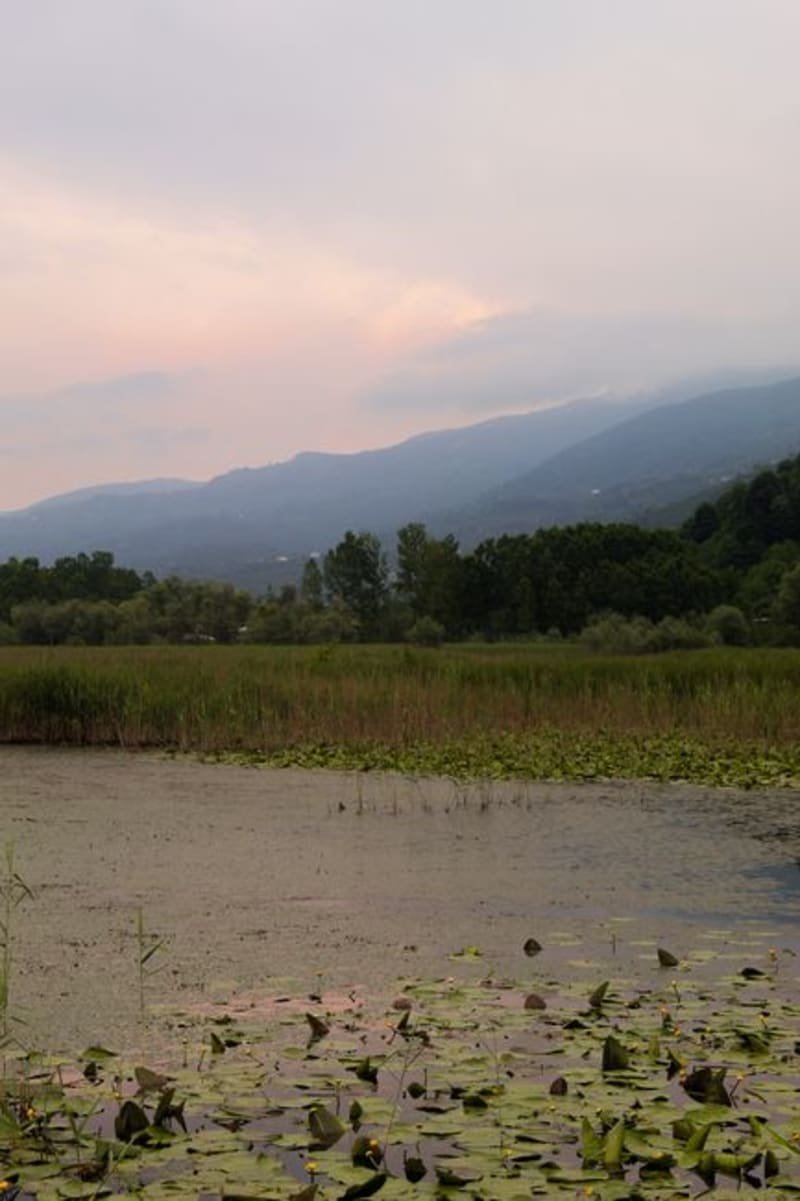
 Vipava Valley
A wind-scoured wine valley between the Alps and the Karst, where the same violent bora that terrifies drivers also produces some of Slovenia's most distinctive white wines.
Explore slovenia
 Vogel
A cable car climbing 1,000 meters above Lake Bohinj to a ski station turned summer viewpoint, where the whole Julian Alps range spreads out at once.
Explore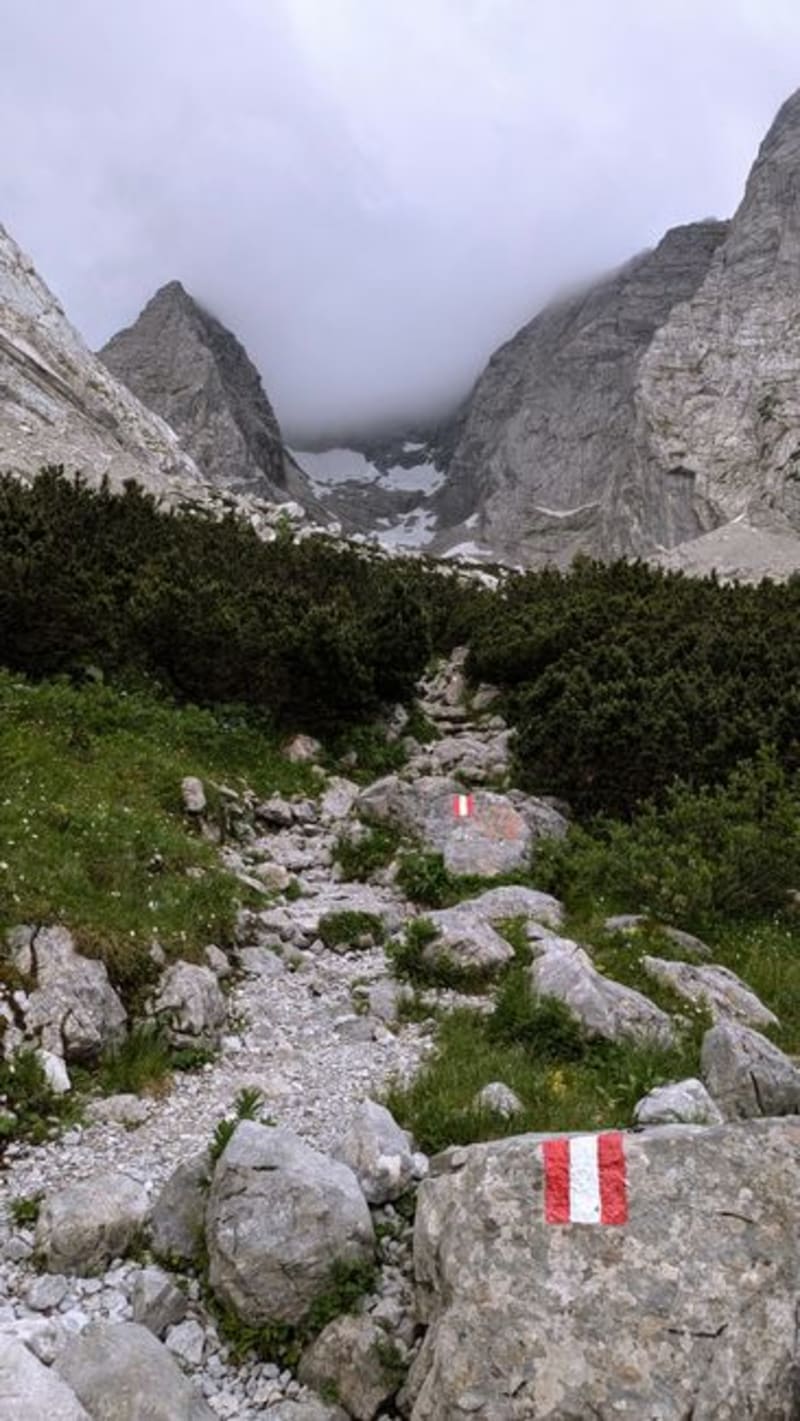 slovenia
 Vršič Pass
Fifty hairpin turns over the highest road pass in the Julian Alps, built by Russian prisoners of war and driven today for the view, not the destination.
Explore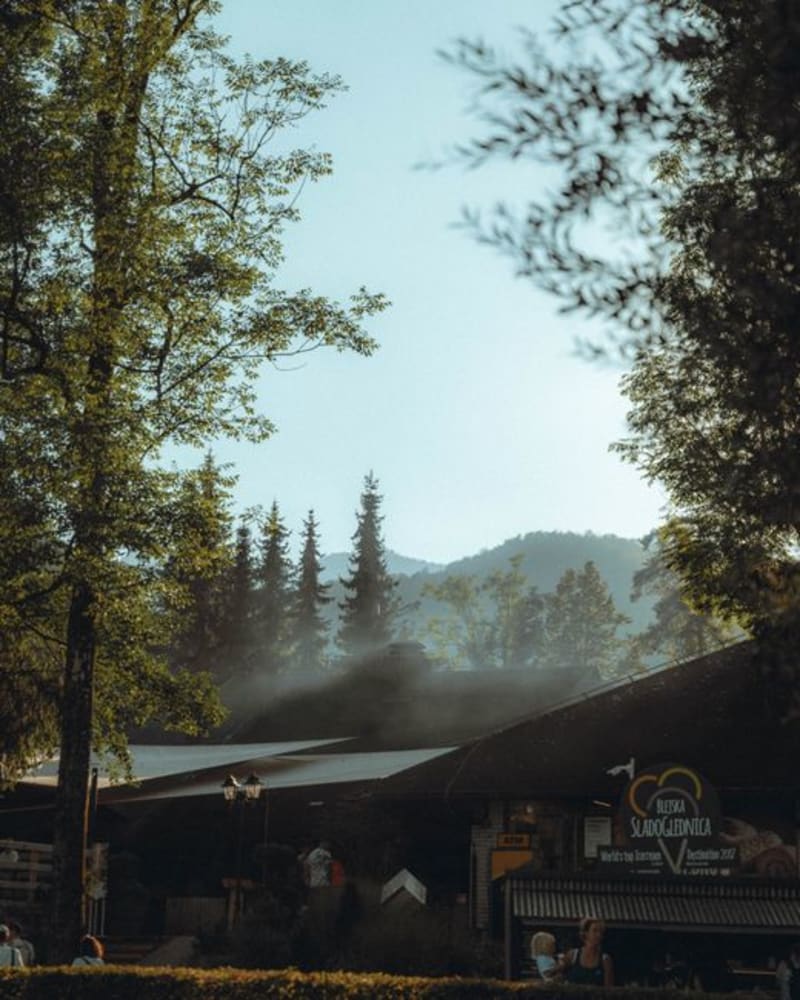 slovenia
 Žužemberk
A ruined medieval fortress rebuilt after wartime destruction stands guard over the Krka River in southern Dolenjska, one of the region's most photogenic and least-crowded castle ruins.
Explore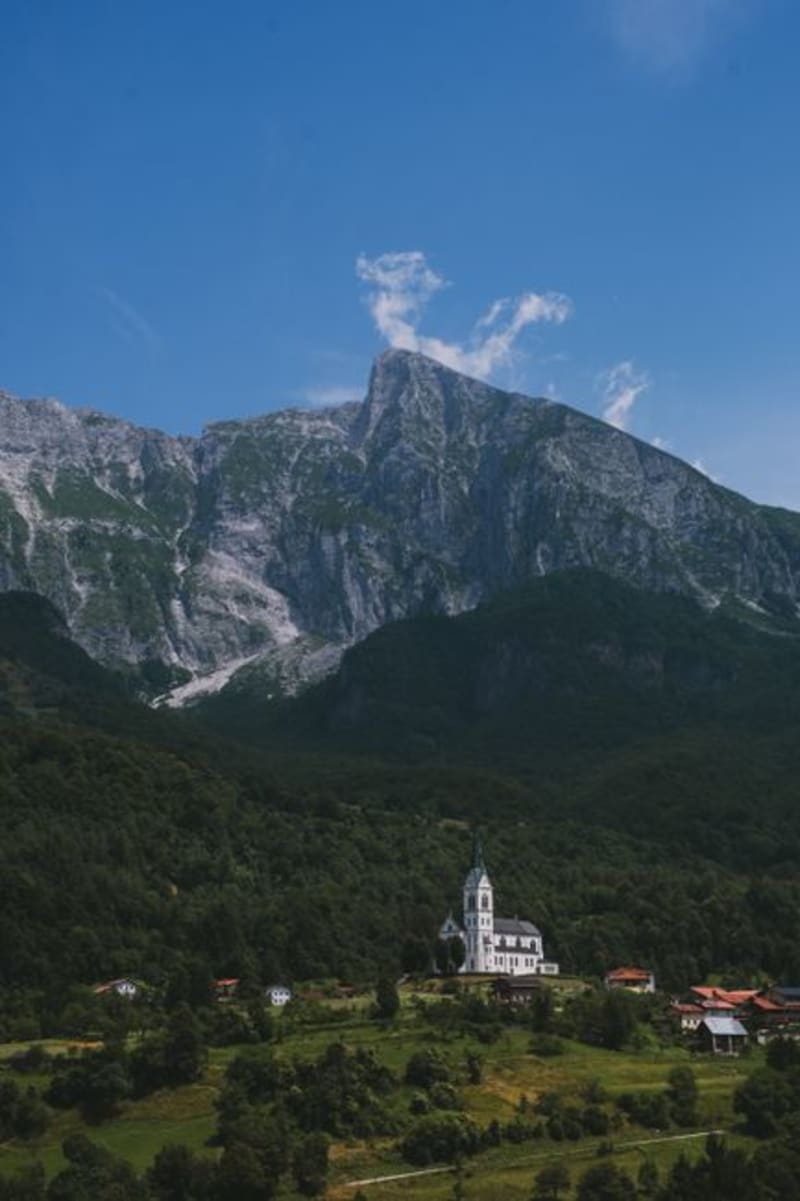 slovenia
 Ankaran
A sleepy former monastery town at the northern edge of the Slovenian coast, with the country's best sandy beach and almost none of its tourist traffic.
Explore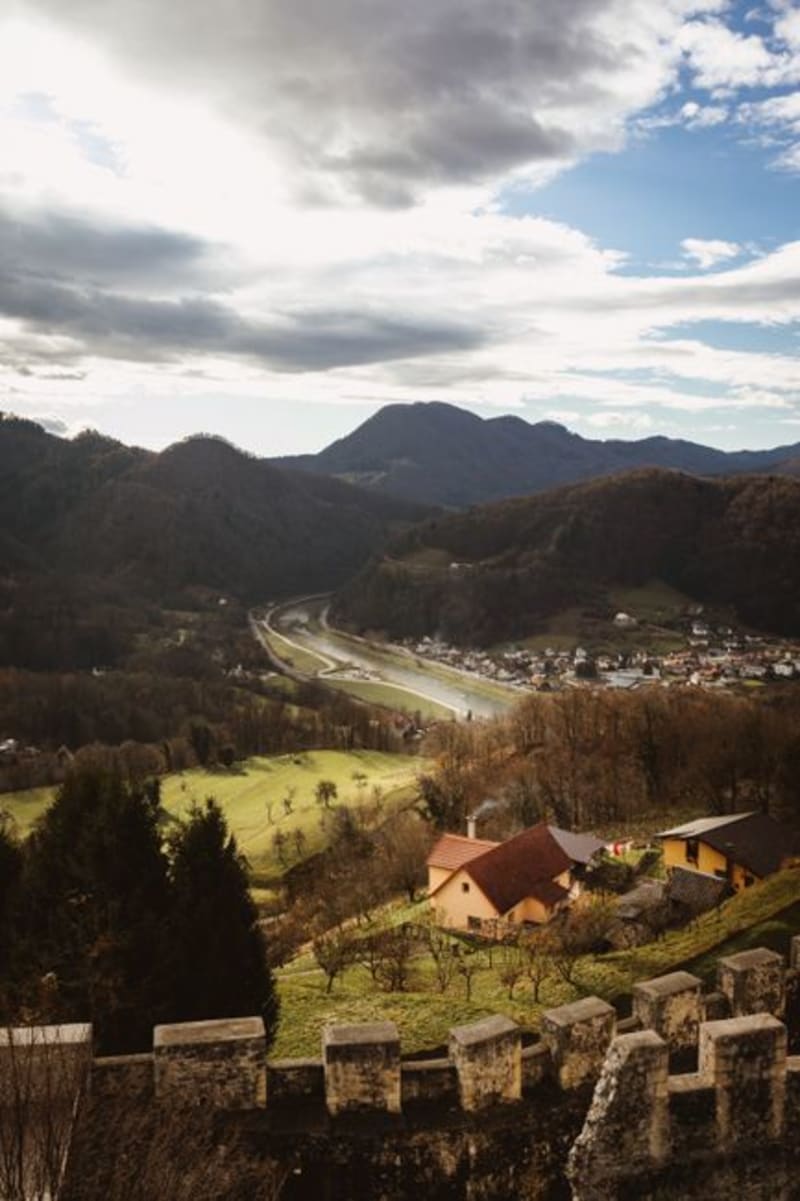 slovenia
 Bela Krajina
Slovenia's southernmost, sunniest, and most overlooked wine region, where the Kolpa river forms a natural border with Croatia and traditions survive that vanished everywhere else generations ago.
Explore